By Up North Real Estate
Fargo anchors a metro area of roughly 250,000 people at the North Dakota-Minnesota border, functioning as the economic, medical, and cultural hub of a region spanning two states. North Dakota State University and a healthcare corridor anchored by Sanford Health and Essentia Health give the city an institutional backbone unusual for its size.
We relocate buyers across the Fargo metro regularly, and this guide covers what actually defines daily life here for people who choose to make it home.
Key Takeaways
-
Economic base: Healthcare, higher education, technology, and agriculture-related industry produce employment stability unusual for a mid-sized city.
-
Neighborhoods: From historic South Fargo streetcar suburbs to West Fargo's newer development corridors, residential character varies considerably across the metro.
-
Arts and dining: Downtown Fargo's Broadway corridor produces an independent dining and arts scene that exceeds what most comparable cities deliver at this population size.
-
Climate: Fargo's continental climate shapes daily life and residential infrastructure in ways worth understanding before relocating.
Fargo's Economy and Employment Landscape
Microsoft, Sanford Health, NDSU, and a growing technology sector anchored by companies like Appareo and Intelligent InSites have collectively made this one of the most economically stable mid-sized metros in the country.
Industries and Employers Driving Fargo's Economy
-
Healthcare: Sanford Health and Essentia Health operate major hospital campuses that together anchor a regional medical hub drawing patients from across the Dakotas and western Minnesota.
-
Higher education: NDSU's engineering, agriculture, and pharmacy programs produce a consistent local talent pipeline and support a research ecosystem unusual for a city of Fargo's size.
-
Technology: A cluster of software, drone technology, and precision agriculture companies has established Fargo as a legitimate technology employment center.
-
Financial services: Several regional and national institutions maintain significant Fargo operations, including Bremer Bank and major credit union infrastructure serving the two-state market.
Living in Fargo, North Dakota means access to an employment market that has consistently outperformed national averages in stability and opportunity.
Neighborhoods and Residential Character
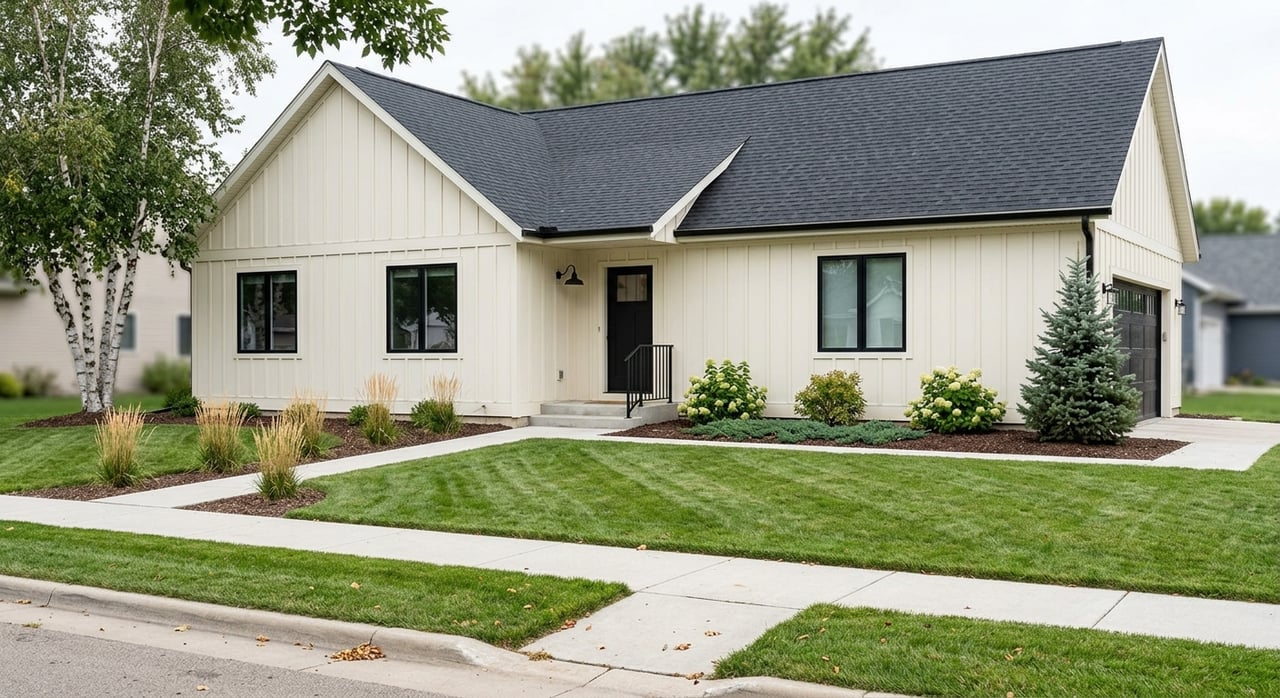
Fargo's residential geography divides into several distinct areas, each with its own development era, architectural character, and proximity to the city's commercial and cultural anchors.
Fargo-Area Neighborhoods and Communities Worth Knowing
-
Hawthorne and Roberts neighborhoods: Historic South Fargo districts with the metro's most intact early 20th-century residential fabric, walkable to Island Park and the downtown core.
-
South Fargo newer development: The 45th Street South and 52nd Avenue corridors host substantial newer single-family construction with good school district access and proximity to the south Fargo commercial spine.
-
West Fargo: A separately incorporated city offering newer construction, competitive price points, and the Sheyenne River greenway trail system running through its residential core.
-
Horace and Harwood: Smaller communities on the metro's edges offering larger lots, rural adjacency, and lower price points for buyers willing to commute into the Fargo core.
A walkable urban residential option with renovated historic buildings, new infill construction, and immediate access to the city's most concentrated dining and arts amenity.
Arts, Dining, and the Downtown Broadway Corridor
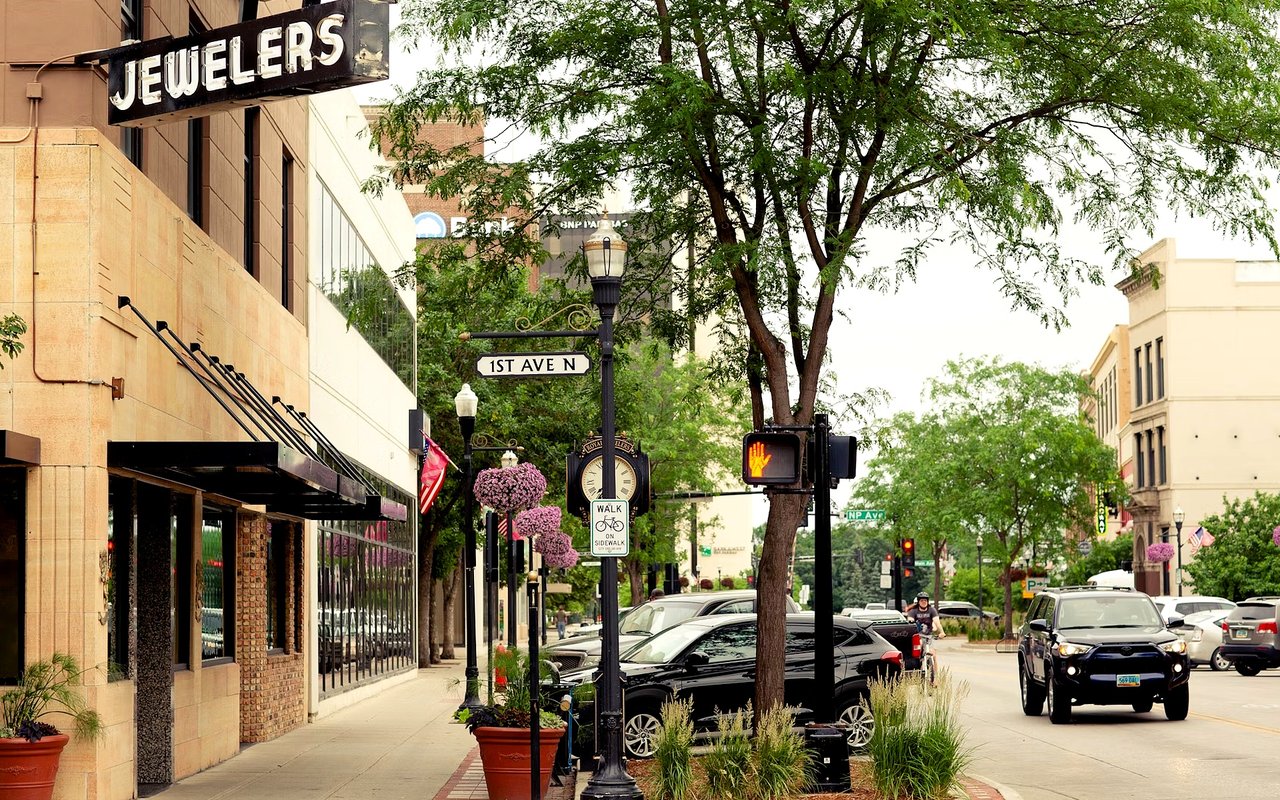
Downtown Fargo's Broadway district has produced independent restaurants, craft breweries, live music venues, and gallery spaces that consistently surprise visitors arriving with expectations calibrated to a small plains city.
Cultural and Dining Highlights Unique to Fargo
-
Fargo Theatre: A fully operational 1926 art deco cinema hosting independent film, live performance, and community events that anchors the Broadway district culturally.
-
Plains Art Museum: A 100,000-square-foot contemporary art museum in a converted warehouse hosting rotating national exhibitions alongside a permanent collection focused on regional and Indigenous art.
-
Drekker Brewing and Junkyard Brewing: Two Fargo craft breweries with national distribution and taproom operations that have become central gathering points for the city's professional population.
-
Red River Market: A weekly summer farmers market in downtown Fargo drawing vendors and shoppers from across the two-state region.
Living in Fargo, North Dakota means access to cultural and dining infrastructure that most comparable mid-sized northern plains cities simply do not produce at this density or quality.
FAQs
How does Fargo's winter climate actually affect daily life?
January high temperatures in Fargo average around 17 degrees Fahrenheit, and wind chills regularly push effective temperatures well below zero between December and February. Heated garages, remote starters, and well-insulated construction are effectively standard features of Fargo residential life rather than optional upgrades.
What is Fargo’s job market like?
Fargo has one of the more resilient regional economies in the Upper Midwest, anchored by healthcare, higher education, technology, and agriculture-related industries. Sanford Health and Essentia Health are among the largest employers, alongside Microsoft, which has maintained a significant presence in the city for decades.
What is the Fargo real estate market like for first-time buyers?
Fargo offers one of the most accessible entry-level markets of any Upper Midwest metro area, with median home prices significantly below comparable cities in Minnesota, Colorado, and the Pacific Northwest. The West Fargo and South Fargo corridors offer the most active first-time buyer inventory at price points that remain competitive relative to local income levels.
Contact Up North Real Estate Today
Fargo's combination of economic stability, genuine cultural infrastructure, and an accessible real estate market makes it one of the most compelling relocation destinations in the Upper Midwest for buyers who look past the geography.
Reach out to us at Up North Real Estate today. We bring specific, current knowledge of every neighborhood and corridor in the metro to every buyer relationship we take on.
Reach out to us at Up North Real Estate today. We bring specific, current knowledge of every neighborhood and corridor in the metro to every buyer relationship we take on.