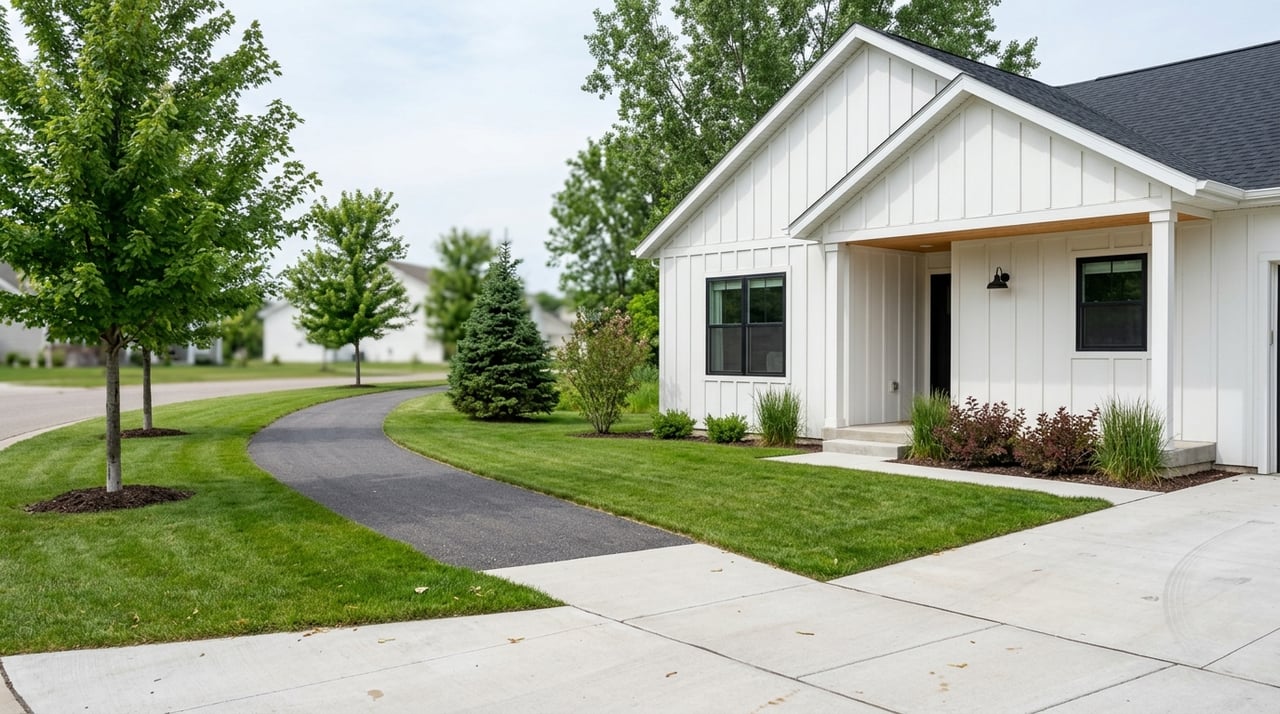
If your ideal day includes a stroller walk, a casual bike ride, or a quick stop at the playground after work, West Fargo makes that lifestyle easier than many buyers realize. Outdoor living here is not just about big destination parks. It is woven into everyday routines through neighborhood green spaces, multi-use paths, and seasonal recreation across the city. If you are exploring West Fargo as your next move, understanding how these parks and paths fit daily life can help you picture where you may feel most at home. Let’s dive in.
Why parks matter in West Fargo
West Fargo is a growing city with an estimated 41,027 residents in 2024, and the outdoor setup is a meaningful part of how people use the community day to day. According to the U.S. Census Bureau QuickFacts, the city also has a 64.4% owner-occupied housing rate and a median owner-occupied home value of $321,900.
Outdoor access is not limited to a few isolated spots. The city’s comprehensive planning documents note about 50 miles of multi-use paths and roughly 400 acres of parkland, while the West Fargo Park District operates 35 parks and shelters. That means whether you are looking for open play space, paved paths, or a nearby park for a short evening walk, you have options built into many parts of the city.
Everyday outdoor living looks local
One of the most appealing things about West Fargo is that outdoor time can feel convenient rather than planned. Many parks support simple daily habits like walking the dog on leash, looping with a stroller, meeting friends at a playground, or getting in a short bike ride before dinner.
The West Fargo Park District parks and shelters page notes that parks are open daily from 5 a.m. to 10 p.m. and that dogs are allowed as long as they are leashed and owners clean up after them. For many households, that creates a practical rhythm for everyday use instead of just weekend outings.
Activity parks with more to do
If you want a park that gives you several reasons to stay awhile, West Fargo has a few standout options. These larger parks often anchor recreation for nearby neighborhoods and can also help shape how buyers think about location and lifestyle.
Rendezvous Park for all-ages activity
Rendezvous Park is one of the city’s most activity-packed parks. It includes six baseball fields, an 18-hole disc golf course, a skate park, two soccer fields, pickleball courts, playgrounds, and walking and biking paths throughout the park.
For buyers who want variety close to home, this kind of park can support different routines without needing to drive across town. You may have one person heading to pickleball, another to the playground, and someone else taking a walk on the paths, all in the same stop.
North Elmwood Park for classic park access
North Elmwood Park is one of West Fargo’s oldest parks, dating back to the 1950s. Located just west of the Sheyenne River and north of 13th Avenue West, it offers walking trails, an enclosed shelter, a playground, playing diamonds, restrooms, and other park amenities.
This park has a more established feel and offers the kind of simple, flexible outdoor use many people want nearby. It is the sort of place that works for a quick walk, a playground stop, or meeting up at a shelter.
Shadow Wood Park for summer routines
Shadow Wood Park is centered around a free seasonal splash pad, which is open daily from 9 a.m. to 7 p.m. in season. The park also includes walking trails, a playground, a basketball court, outdoor exercise equipment, restrooms, and picnic shelter space.
If summer convenience matters to your household, this park stands out. It supports both active play and relaxed park time, which can be a big plus when you are comparing neighborhoods based on everyday livability.
Maplewood Park for four-season use
Maplewood Park brings together warm-weather and winter recreation in one place. Amenities include a hockey and skating rink with warming house, obstacle course, sledding hill, multi-use hard court, open shelters, and an activity center that can be rented when not serving as the winter warming house.
That mix makes Maplewood a good example of how outdoor living in West Fargo continues through the colder months. Instead of parks being a seasonal bonus, many residents use them as part of a year-round routine.
Neighborhood parks support daily life
Not every park needs to be a destination. In many cases, the most useful park is the one that is easy to reach for a short break, quick playground stop, or simple walk after work.
The Park District highlights smaller, neighborhood-oriented parks such as Charleswood, Eagle Run, Goldenwood, Armour, Meadowridge, Herb Tintes, The Wilds, and River’s Bend through its park portfolio. These parks generally focus on combinations of hiking and biking paths, playgrounds, modest courts or fields, shelters, and some winter features.
A few examples stand out:
- Goldenwood includes a sledding hill and soccer fields.
- Armour includes a volleyball court and enclosed shelter.
- Meadowridge includes baseball or softball and soccer amenities.
- Herb Tintes combines pickleball, tennis, a splash or pool feature, and a winter rink.
This neighborhood-park pattern matters when you are choosing where to live. It suggests that in many parts of West Fargo, outdoor access is integrated into the neighborhood itself rather than concentrated in one part of the city.
Paths connect more than parks
Parks are only part of the story. West Fargo’s path network helps connect people to those spaces and to everyday movement around the city.
The comprehensive plan notes around 50 miles of multi-use paths, and the Park District’s bike resources direct residents to regional bike maps through FM Metro COG on the bike routes information page. For buyers who value walkability and bike access in a suburban setting, this adds another layer to how neighborhoods function.
The city is also continuing to improve connections. According to the research provided, the River’s Bend Multi-Use Path and pedestrian bridge over the Sheyenne River is set to begin in spring 2026, and the 8th Street West multi-use path project will connect North Elmwood Park, Erbstoesser Park, and the Scheels Soccer Complex while improving pedestrian access near Westside Elementary School.
Projects like these matter because they can make outdoor time feel more connected and convenient. Instead of driving to every activity, some households may be able to rely more on nearby path access for walking, biking, and everyday recreation.
Outdoor living changes with the seasons
In West Fargo, outdoor living is not just a summer idea. Seasonal programming helps keep parks active and relevant throughout the year.
The Park District’s Winter Days programming for Jan. 17 to 22, 2026 includes activities such as Rec on the Snow at Maplewood Park and Bouncin’ Bash at Rustad Recreation Center. Event programming like this shows that parks are part of the city’s year-round rhythm, not just fair-weather amenities.
That can be useful context if you are relocating from outside the area. In a northern climate, buyers often want to know whether outdoor spaces still have a role in winter. In West Fargo, the answer is clearly yes.
What housing patterns mean for buyers
When you pair the park system with local housing patterns, a clear picture starts to emerge. West Fargo’s comprehensive plan says the large majority of housing is detached single-family, which supports the suburban, neighborhood-based lifestyle many buyers are seeking.
The plan also notes that the oldest, more traditional neighborhoods are generally in the northern part of the city near Main Avenue and northern Sheyenne Street, where the housing mix includes smaller single-family homes with some multifamily properties mixed in. Farther south, especially south of I-94, neighborhoods tend to be newer, more curvilinear, and more cul-de-sac based.
That does not mean one area is better than another. It simply means your day-to-day experience may feel different depending on where you land. Some buyers prefer an older-core setting with established patterns and mixed housing types, while others prefer newer neighborhood layouts with integrated parks and greenways.
The city’s planning documents also describe future neighborhood concepts that could include townhouses, duplexes, smaller apartment buildings, condo buildings, parks, and greenways, with homes oriented toward open space. For buyers, that is another sign that outdoor access is expected to remain an important part of how West Fargo grows.
How to evaluate parks when home shopping
If parks and paths are part of your lifestyle, it helps to look beyond square footage and finishes when touring homes. A few practical questions can make your search more focused.
Check daily-use convenience
Ask yourself how you would actually use nearby outdoor space on a normal weekday. A park that is perfect for a Saturday event may matter less than one that supports a 20-minute walk, a quick playground visit, or an easy bike loop.
Look at path connections
A nearby park is helpful, but a connected path network can make a bigger difference over time. If you enjoy walking or biking regularly, pay attention to whether a home offers easy access to multi-use paths and connected recreational areas.
Think about seasonal fit
In West Fargo, winter matters. If you enjoy year-round outdoor routines, look for parks with features like sledding hills, skating areas, warming houses, or programming that supports colder-weather use.
Match amenities to your routine
Every household uses parks differently. Some buyers want a splash pad or playground nearby, while others care more about sports courts, trails, or open space for a casual evening walk.
If you want help narrowing down West Fargo neighborhoods based on how you actually live, Brett Dalzell can help you compare locations, park access, and home options with a clear local strategy.
FAQs
What parks in West Fargo have the most activities?
- Rendezvous Park, Maplewood Park, Shadow Wood Park, and North Elmwood Park are among the most activity-rich options based on the amenities listed by the West Fargo Park District.
What are West Fargo park hours for everyday use?
- According to the West Fargo Park District parks and shelters page, parks are open seven days a week from 5 a.m. to 10 p.m.
Are dogs allowed in West Fargo parks?
- Yes. The West Fargo Park District says dogs are allowed in parks if they are leashed and owners clean up after them.
How many parks and paths are in West Fargo?
- The West Fargo Park District operates 35 parks and shelters, and the city’s comprehensive plan says West Fargo has about 50 miles of multi-use paths and roughly 400 acres of parkland.
What types of homes are common near West Fargo parks?
- West Fargo’s comprehensive plan says the large majority of housing is detached single-family, with some older northern neighborhoods mixing in multifamily housing and newer southern areas featuring more recently built neighborhood patterns.
Are new path connections planned in West Fargo?
- Yes. The research provided notes the River’s Bend Multi-Use Path and pedestrian bridge is expected to begin in spring 2026, and the 8th Street West multi-use path project is planned to improve connections among parks and nearby destinations.