Choosing between Downtown Fargo and South Fargo is not just about where you live. It is about how you want your days to feel. If you are trying to decide between a walkable, active routine and a more residential, errands-friendly setup, this guide will help you compare both sides of Fargo in a practical way. Let’s dive in.
Downtown Fargo Lifestyle
Downtown Fargo is the city’s historic core, and it offers one of the most walkable lifestyles in the area. Around Main Avenue and Broadway, you will find restaurants, boutiques, murals, arts venues, nightlife, and public gathering spaces that create a steady sense of activity. If you like being close to things to do, downtown naturally puts more of your daily options within a shorter distance.
A big part of that energy centers around Broadway Square and downtown attractions. The space includes a stage, splash pad, ice rink, and a full event calendar, and it reported 46 event days and 295,000 visits in 2024. That kind of foot traffic helps explain why downtown often feels lively throughout the year.
What daily life feels like downtown
If you choose downtown, your routine may include walking to coffee, meeting friends for dinner, or spending time near local arts and entertainment. Visit Fargo-Moorhead highlights places like the Fargo Theatre, Plains Art Museum, local restaurants, vintage shops, and nightlife as part of the downtown experience. For many buyers, that means less planning around every outing and more spontaneity in daily life.
Downtown can also work well if you value a more urban rhythm. You may trade some space for proximity, but you gain easier access to events, culture, and a concentrated mix of businesses and services. That balance appeals to people who want activity close at hand.
Housing in Downtown Fargo
Downtown housing reflects the area’s history and mixed-use character. The City of Fargo’s downtown building database covers more than 400 homes and businesses in the Renaissance Zone and Downtown National Register Historic District. City planning materials also describe the downtown core as appropriate for commercial, office, and multi-dwelling uses, with a focus on compact, mixed-use development.
In practical terms, that means you are more likely to see historic buildings, mixed-use properties, and multi-dwelling housing downtown than in other parts of the city. If charm, character, and a central location matter most to you, downtown may check more boxes. If your priority is a more traditional neighborhood layout, you may want to compare it closely with the south side.
South Fargo Lifestyle
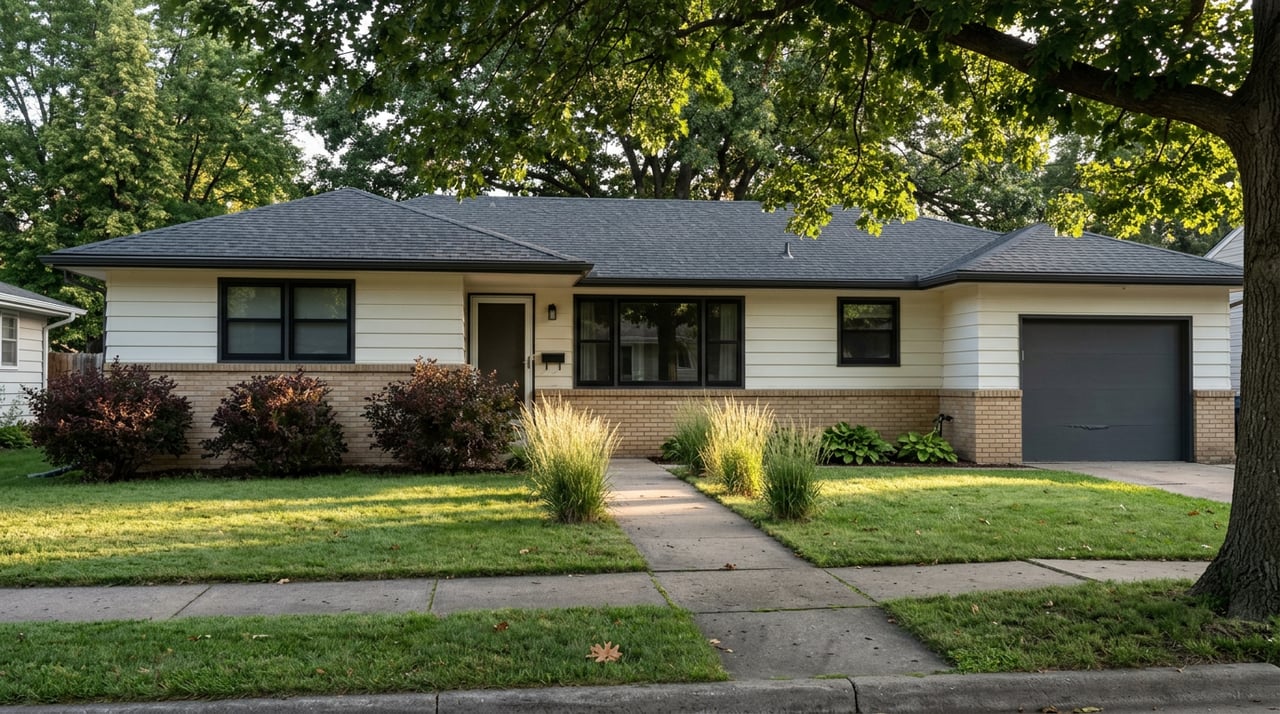
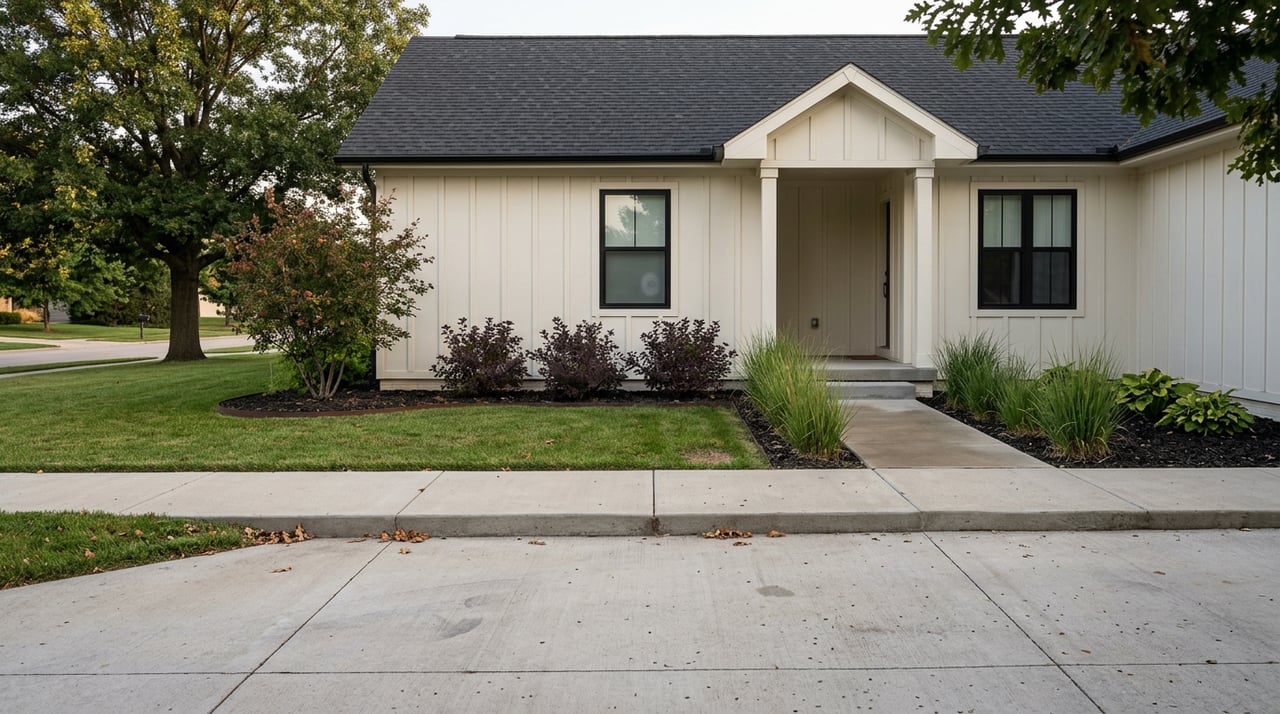
South Fargo offers a different pace. Instead of a dense, walkable core, the area is shaped more by residential neighborhoods, larger retail corridors, and everyday convenience. If you picture home as a quieter base with space between destinations, South Fargo may feel like a better fit.
City planning materials describe low-to-medium density areas as having the character of a single-family neighborhood, with twin homes, town homes, and some low-density apartments near commercial edges. Those same materials also note that newer apartment buildings on the south side are newer and built to stricter codes than older sections of the city. That makes South Fargo especially worth a look if you are comparing newer housing options.
What daily life feels like in South Fargo
South Fargo tends to support a more errands-and-recreation-oriented routine. You may drive to shopping, make larger weekly trips for household needs, and spend time at parks or recreation facilities rather than around a central entertainment district. For many buyers, that setup feels practical and familiar.
The south side also gives you easy access to major retail destinations. Visit Fargo-Moorhead points shoppers to West Acres Shopping Center and other Fargo shopping options, along with retailers such as Costco, Target, Walmart, Kohl’s, Old Navy, Sam’s Club, TJ Maxx, and Marshall’s. For recreation, Southside Regional Park includes 12 fields, making it one of the area’s largest tournament field complexes.
Housing in South Fargo
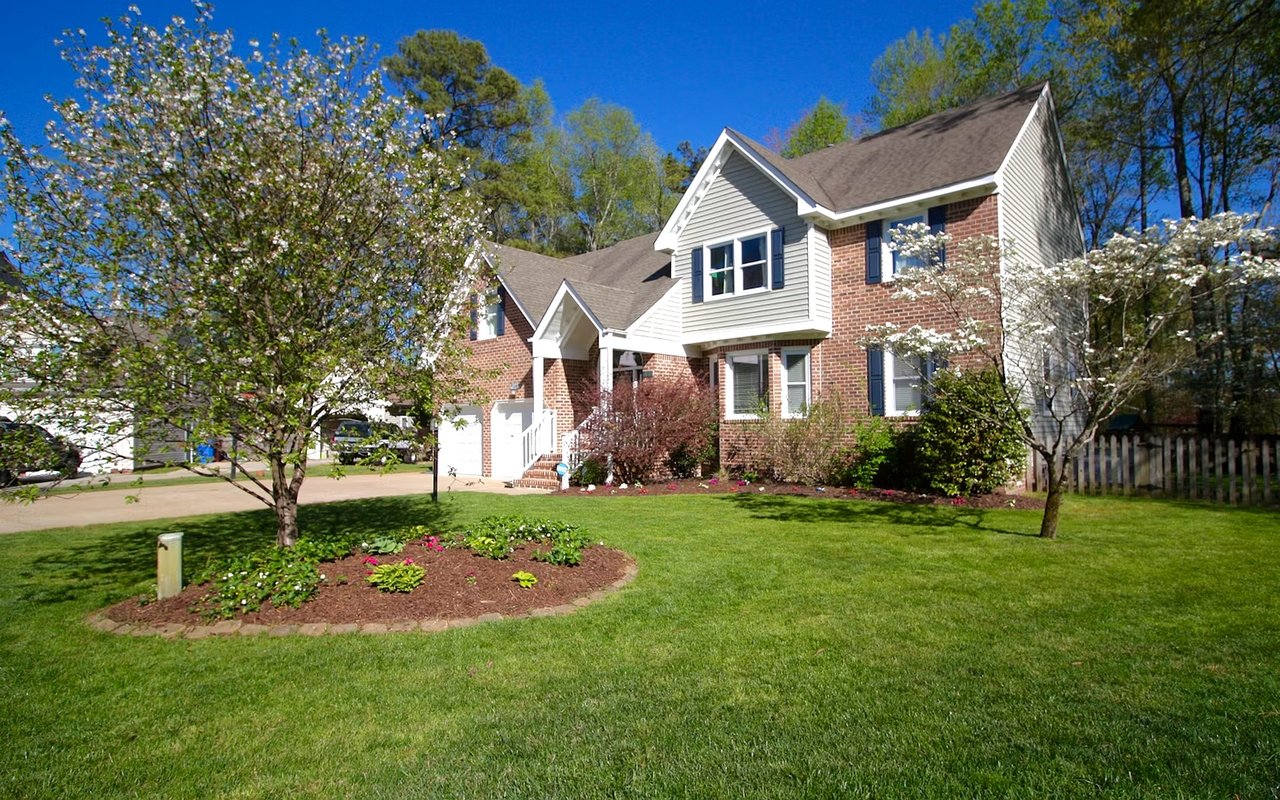
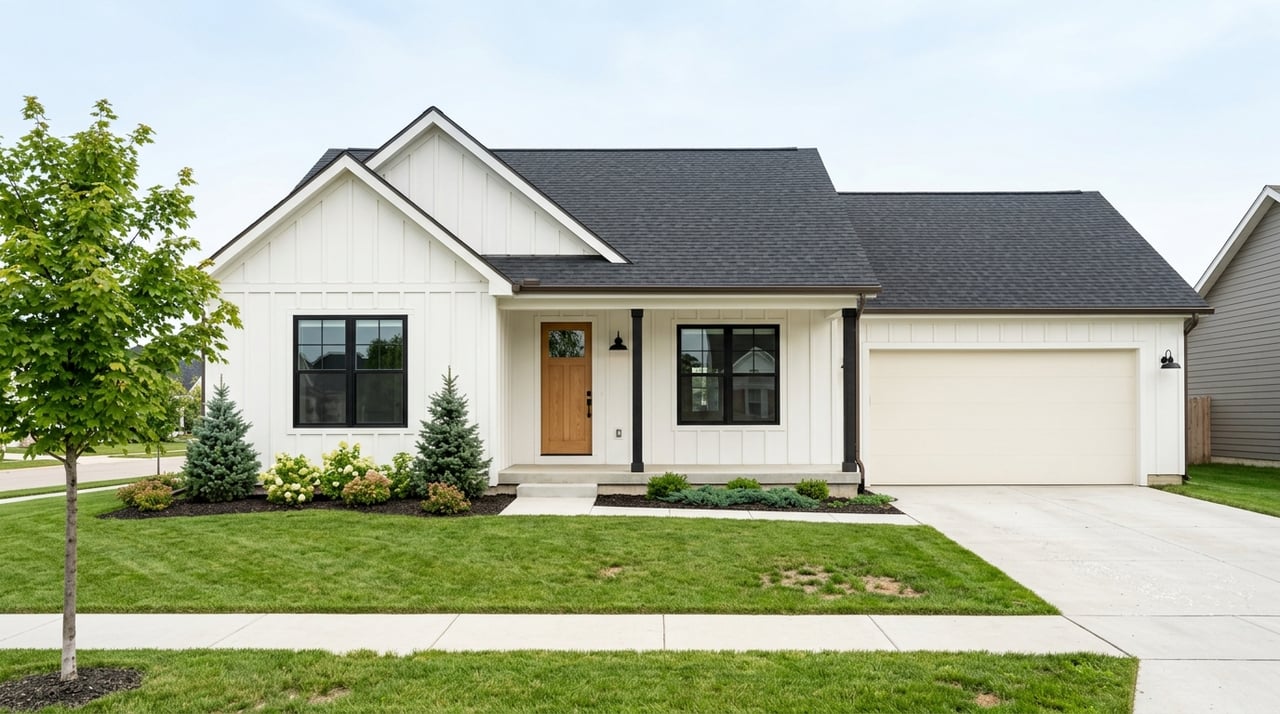
South Fargo generally leans more suburban in form. Based on the city’s growth plan, low-to-medium density neighborhoods are intended to maintain a single-family neighborhood character while including twin homes and town homes as part of the mix. That pattern can be appealing if you want a more conventional residential setting.
For some buyers, that means South Fargo may align better with preferences for a yard, garage, or a neighborhood layout that feels less compact. While housing choices vary by exact location, the broader pattern is more spread out and residential than downtown. That is one reason buyers often compare the two areas based as much on lifestyle as on price or property type.
Walkability, Parking, and Errands
One of the clearest differences between Downtown Fargo and South Fargo is how you get through your day. Downtown offers the strongest concentration of walkable amenities, while South Fargo is often built around driving between home, shopping, work, and recreation. Neither is automatically better. It depends on what feels easier for you.
Downtown visitors benefit from restaurants, coffee shops, shops, arts venues, and public spaces in a compact area. It also offers free street parking plus garages and ramps, according to Visit Fargo-Moorhead. If you like the idea of parking once and doing several things in one trip, downtown has a strong advantage.
South Fargo tends to be simpler for larger errands. Retail centers are designed for destination shopping, and the layout makes it easier to load up on groceries, household items, or bulk purchases in one stop. If your ideal weekend includes crossing several to-dos off your list efficiently, the south side may suit you better.
Transit and Commute Patterns
Transportation is another major lifestyle difference. Downtown Fargo is the transit core of the city. MATBUS identifies the Ground Transportation Center at 502 NP Ave as the system’s main transfer hub, and the network includes 24 fixed routes connecting riders to employment, education, healthcare, entertainment, and more.
That central transit role makes downtown especially practical if you want more options beyond driving. You may still own a car, but downtown gives you a better chance to rely on walking or transit for at least part of your routine. For some households, that flexibility matters a lot.
South Fargo is still served by transit, but the pattern is more destination-based. MATBUS Route 15 connects the Ground Transportation Center to stops including West Acres, Target, TJ Maxx, Walmart, Job Service, and the Courthouse, while Route 18 also serves south-side destinations such as Essentia Hospital, Hornbacher’s Osgood, Microsoft, and Walmart. In everyday terms, transit can cover some trips in South Fargo, but driving remains more central for many residents.
Which Area Fits Your Routine?
If you are torn between the two, the best answer often comes down to how you want your week to work. Think less about labels like urban or suburban and more about your actual habits. Where do you want convenience, and where are you comfortable with tradeoffs?
Downtown Fargo may fit you better if you want:
- Walkable access to dining, arts, and events
- Historic character and mixed-use surroundings
- A more active, central city rhythm
- Easier access to the transit hub
- More spontaneous outings close to home
South Fargo may fit you better if you want:
- A more traditional residential feel
- Newer housing options in many areas
- Easier access to major shopping trips
- Recreation tied to larger parks and field complexes
- A quieter, more destination-based routine
How to Choose With Confidence
The right area is the one that supports the life you already live, or the one you want to build next. If you love the idea of stepping outside and being close to culture, events, and walkable stops, Downtown Fargo stands out. If you want a more residential setting with convenient retail access and newer development patterns in many areas, South Fargo deserves a closer look.
As you compare homes, it helps to look beyond square footage and finishes. Your commute, your errands, your weekends, and your preferred pace all shape whether a place feels right long after move-in day. If you want help narrowing down the best fit in Fargo, Brett Dalzell can help you compare neighborhoods, housing options, and day-to-day tradeoffs with a local, practical perspective.
FAQs
Is Downtown Fargo walkable for everyday life?
- Yes. Downtown Fargo has the city’s strongest concentration of walkable amenities, including restaurants, coffee shops, arts venues, boutiques, and public gathering spaces near Main Avenue and Broadway.
What types of homes are common in Downtown Fargo?
- Downtown Fargo has a more historic and mixed-use housing base, with multi-dwelling housing, mixed-use properties, and buildings within the Renaissance Zone and Downtown National Register Historic District.
What types of homes are common in South Fargo?
- South Fargo is generally shaped by low-to-medium density development, including single-family neighborhood patterns, twin homes, town homes, and some low-density apartments near commercial edges.
Is South Fargo better for shopping and errands?
- South Fargo is often more convenient for larger errands because it has major retail destinations such as West Acres and several national retailers in a more destination-oriented layout.
How does transit differ between Downtown Fargo and South Fargo?
- Downtown Fargo is the MATBUS transit core because the Ground Transportation Center is located there, while South Fargo has transit service that connects key destinations but is generally more route- and destination-based.
Which Fargo area is better for a quieter routine?
- South Fargo may feel better suited to a quieter routine because it is more residential in form and less centered on nightlife, events, and dense walkable activity than downtown.