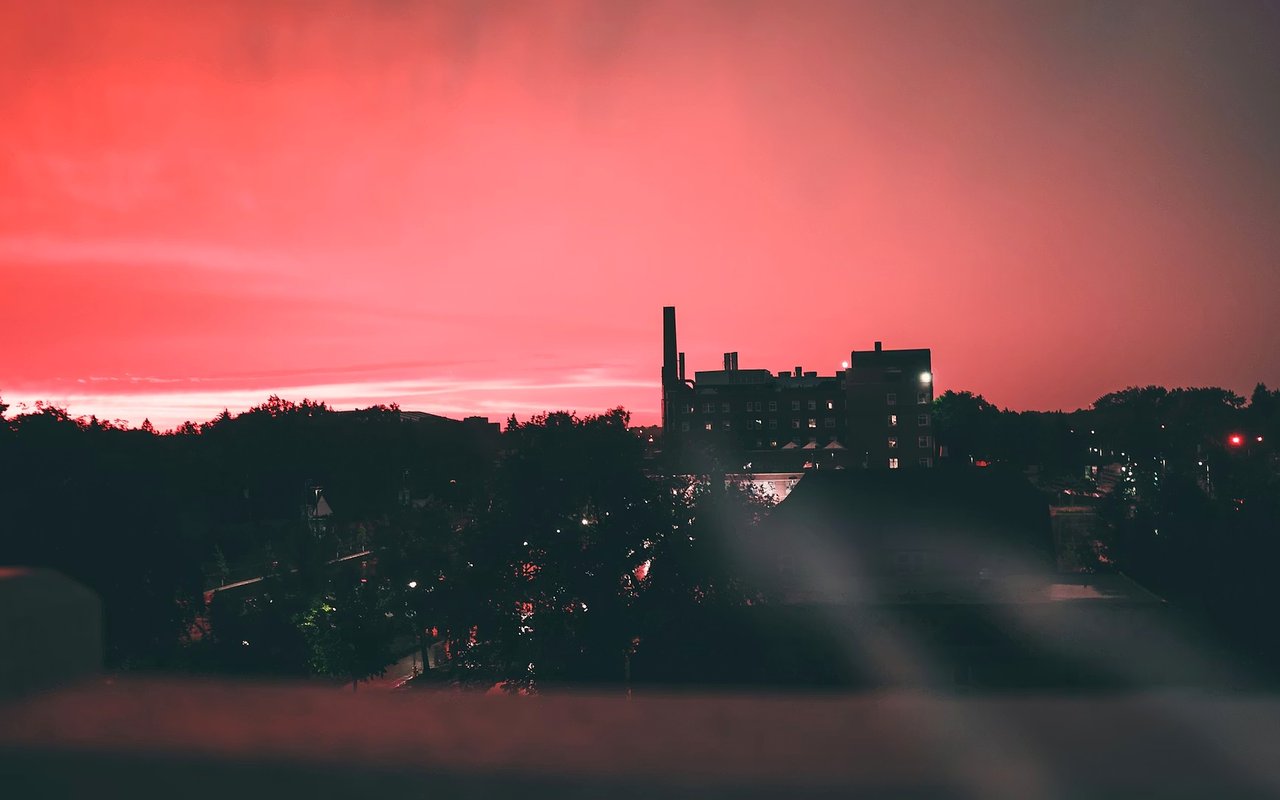
By Up North Real Estate
Living in Grand Forks means engaging with a city that balances genuine college town vitality with the stability of a deeply rooted Midwestern community. Grand Forks sits at the confluence of the Red River and the English Coulee in northeastern North Dakota, anchoring a metro area of roughly 110,000 people that serves as the educational, medical, and commercial hub for a two-state corridor stretching to the Canadian border.
We work with buyers across this market regularly, and this guide covers what actually defines life here.
Key Takeaways
- University of North Dakota: UND's presence shapes Grand Forks' economy, cultural programming, and real estate demand in ways that distinguish it from every other North Dakota city.
- Downtown revitalization: The downtown core has undergone significant reinvestment since the catastrophic 1997 flood, producing a walkable district with independent dining, arts venues, and commercial activity.
- Airman community: Grand Forks Air Force Base contributes a significant and economically stable residential population to the metro's housing market.
- Neighborhoods: Grand Forks offers distinct residential character across its established older neighborhoods, university-adjacent areas, and newer south-side development corridors.
The University of North Dakota and Its Role in City Life
UND enrolls approximately 14,000 students and employs thousands of faculty and staff, making it the single largest economic driver in Grand Forks by a considerable margin.
Ways UND Shapes Daily Life in Grand Forks
- Ralph Engelstad Arena: An 11,640-seat hockey venue on campus widely regarded as the finest college hockey facility in the country, drawing capacity crowds from across the region for Fighting Hawks games.
- Chester Fritz Auditorium: A 2,400-seat performing arts venue hosting touring Broadway productions, symphonic performances, and national acts that serve the broader community year-round.
- UND Aerospace: One of the largest university-based aviation programs in the United States, with flight training operations at Grand Forks International Airport contributing meaningfully to the local economy.
Living in Grand Forks, North Dakota means access to cultural and intellectual programming that most cities of 60,000 people cannot generate.
Downtown Grand Forks and the Post-Flood Revitalization
Downtown today is anchored by the DeMers Avenue and South Third Street corridors, hosting independent restaurants, coffee shops, breweries, and retail that reflects the city's college town energy most directly.
Downtown Highlights Worth Knowing
- The Greenway: A 2,200-acre linear park system built along the Red River after the 1997 flood, functioning simultaneously as flood protection infrastructure and the city's most significant outdoor public amenity.
- Rhombus Guys Brewing: A Grand Forks craft brewery and pizza operation with a downtown taproom that has become one of the most consistent gathering points for residents and the university community.
- The Alerus Center: A multi-purpose arena seating up to 20,000 that hosts UND football, major concerts, trade shows, and community events on the city's south side.
Few mid-sized American cities have rebuilt their urban core with this level of intentionality, and the result is a walkable district that functions well for daily life.
Grand Forks Air Force Base and the Military Community
Grand Forks Air Force Base sits approximately 16 miles west of the city and operates as one of the Air Force's primary remotely piloted aircraft and intelligence, surveillance, and reconnaissance installations.
How the Air Force Base Affects the Grand Forks Housing Market
- Consistent rental demand: The base rotation cycle produces a steady flow of incoming personnel seeking rental housing, supporting occupancy rates across all seasons.
- VA loan prevalence: Grand Forks has one of the higher concentrations of VA loan transactions of any North Dakota city, and local lenders and agents are uniformly experienced with VA financing requirements.
- West-side neighborhood demand: Neighborhoods along University Avenue and 42nd Street South consistently attract base-affiliated buyers and renters for their proximity and commute convenience.
The base contributes an estimated 3,000 to 4,000 active duty personnel and their families to the metro, representing a stable residential population with consistent housing demand.
Neighborhoods and Residential Character
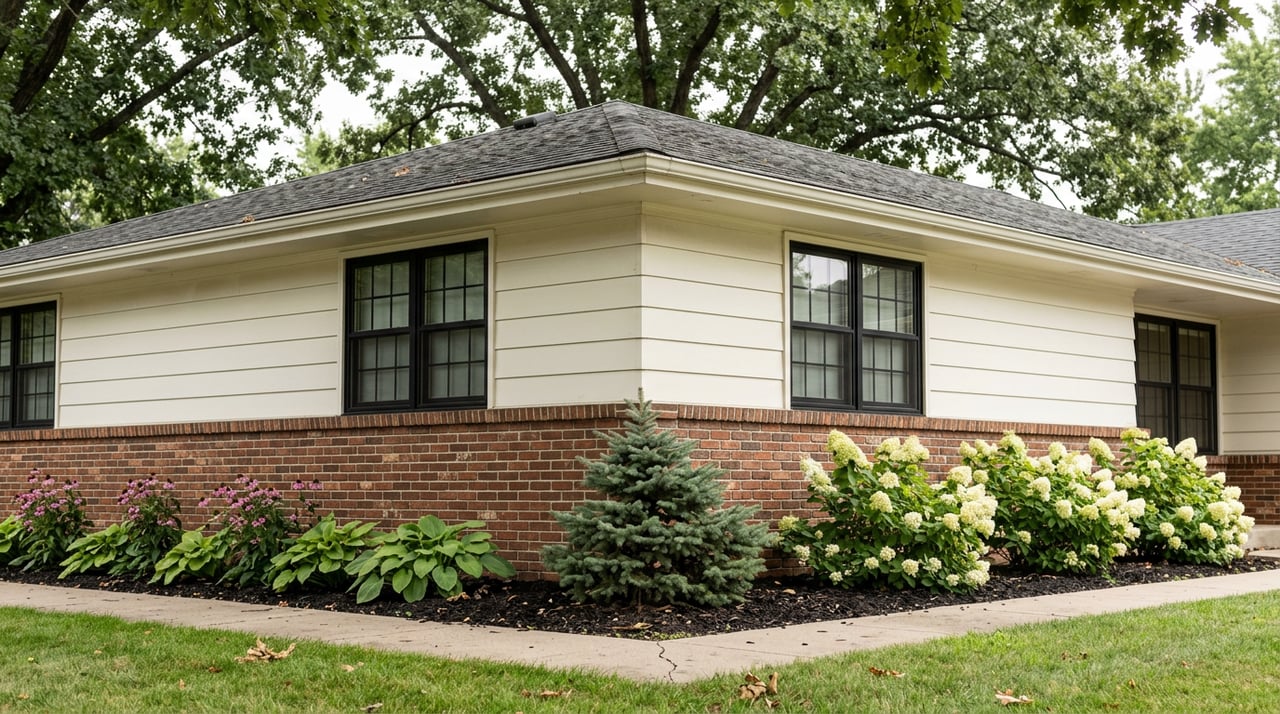
The established neighborhoods north and west of the UND campus contain the city's most architecturally varied housing stock, with craftsman bungalows, foursquares, and mid-century ranches on mature tree-lined streets.
Grand Forks Neighborhoods Worth Knowing
- University neighborhood: The blocks immediately surrounding UND offer walkable access to campus facilities, Chester Fritz Auditorium, and established retail along University Avenue.
- Reeves Drive corridor: An established residential area north of campus with larger lots, mature landscaping, and some of the city's most architecturally significant single-family homes.
- South Washington Street corridor: The city's most active new construction zone, with builder developments adding single-family homes and townhomes at competitive price points.
- West Grand Forks: Neighborhoods along University Avenue and 42nd Street South offering competitive price points and practical commute access to both the Air Force Base and the university.
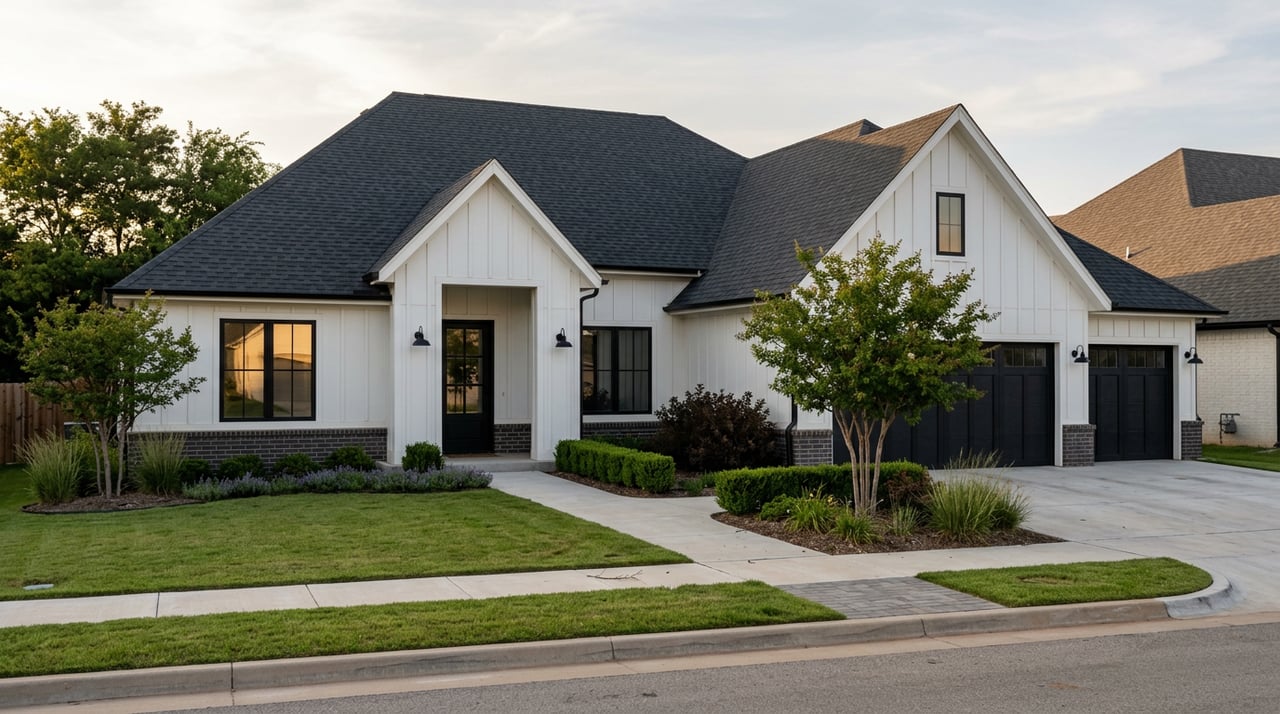
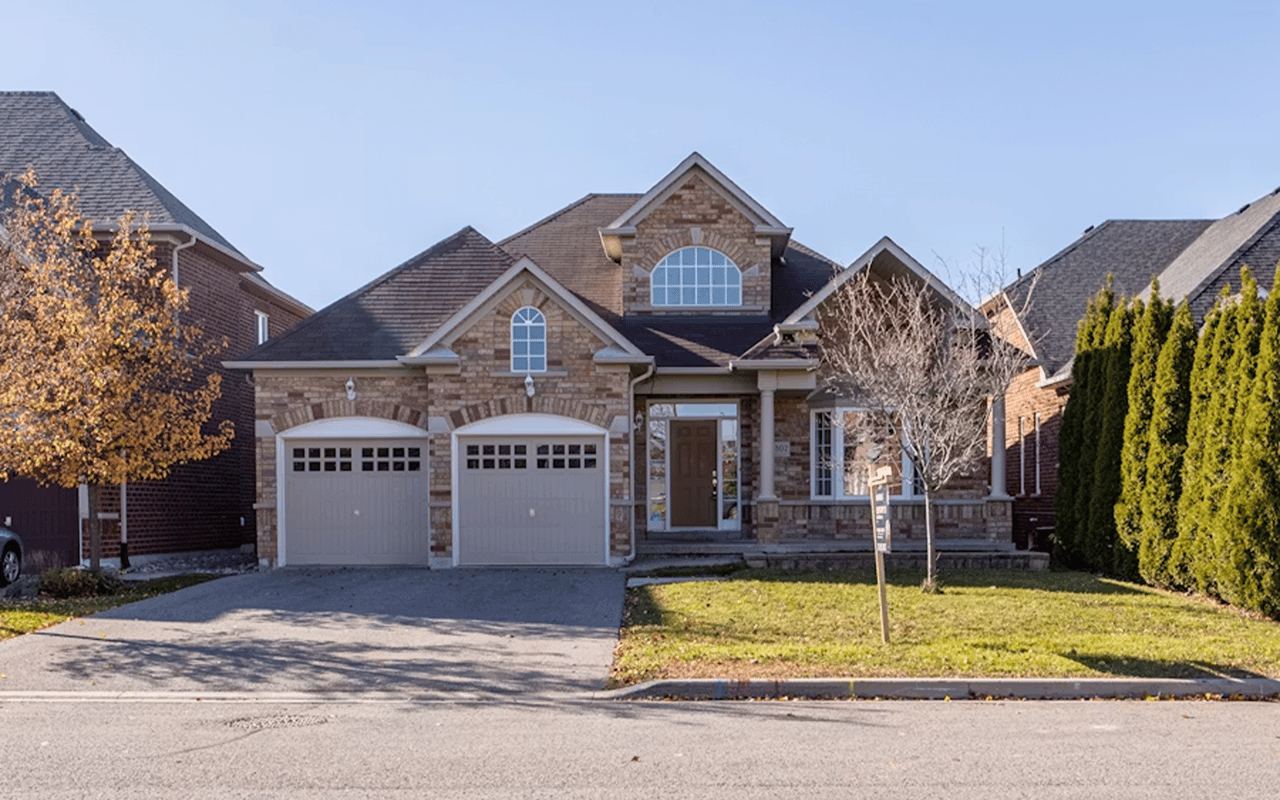
Living in Grand Forks, North Dakota across these distinct neighborhood types gives buyers a genuine range of residential experience, from walkable university-adjacent streets to the newer infrastructure of the south-side corridors.
FAQs
How does Grand Forks' real estate market compare to Fargo's?
Grand Forks offers lower median home prices than Fargo across most property types, reflecting the smaller metro size and more limited in-migration pressure.
What is Grand Forks' flood risk profile?
The city and U.S. Army Corps of Engineers have invested heavily in permanent flood protection since 1997, including a dike system and the Greenway buffer that have successfully protected the city through subsequent high-water events.
Is Grand Forks a practical place to live without a car?
The university neighborhood and downtown-adjacent areas offer walkability unusual for a North Dakota city of this size, with daily errands and university facilities accessible on foot from select residential areas.
Contact Up North Real Estate Today
The university-driven cultural programming, deliberately rebuilt downtown, and stable military and medical employment base make Grand Forks one of the most undervalued residential markets in the Upper Midwest.
From the craftsman blocks near campus to the new builds along South Washington, we bring specific, current knowledge of every Grand Forks neighborhood. Contact us at Up North Real Estate, and let's find the Grand Forks property that best fits your household.
From the craftsman blocks near campus to the new builds along South Washington, we bring specific, current knowledge of every Grand Forks neighborhood. Contact us at Up North Real Estate, and let's find the Grand Forks property that best fits your household.