By Up North Real Estate
West Fargo incorporated as an independent city in 1926 and has grown from a small rail and meatpacking community into the fastest-growing city in North Dakota. The city operates its own school district and maintains its own parks and municipal infrastructure entirely separately from Fargo.
Living in West Fargo, North Dakota means residing in a city with its own civic identity, not a suburb that depends on its neighbor for character or services.
Key Takeaways
- Independent city: West Fargo operates its own school district, parks system, and municipal infrastructure entirely separately from the City of Fargo.
- Growth corridor: The city's western and southern development corridors make West Fargo the most active new construction market in the region.
- Sheyenne River greenway: A trail and park system running through the city's residential core distinguishes West Fargo's outdoor infrastructure from comparable communities in the metro.
- Price point: West Fargo consistently offers more square footage per dollar than comparable Fargo neighborhoods, particularly in newer construction segments.
West Fargo's Identity and Municipal Character
West Fargo is not a bedroom community. It operates a fully independent municipal government, maintains its own police and fire departments, and administers the West Fargo Public Schools district, which serves over 10,000 students.
Facts About West Fargo's Municipal Infrastructure
- Independent school district: West Fargo Public Schools operates entirely separately from the Fargo School District, with its own curriculum, facilities, and administrative structure.
- Dual high school structure: Sheyenne High School and West Fargo High School serve the city's secondary population in geographically defined attendance boundaries that affect school assignment for specific residential areas.
- Municipal utilities: West Fargo operates its own water and sewer infrastructure, which affects connection fees, utility rates, and development approval timelines in the city's growth corridors.
- City government structure: West Fargo operates under a commission form of city government with elected commissioners overseeing specific municipal departments.
Living in West Fargo, North Dakota means engaging with a city that makes its own decisions on zoning, development, and public infrastructure.
The Sheyenne River Greenway and Outdoor Infrastructure
The greenway connects multiple neighborhoods, parks, and community facilities along a continuous off-street corridor in a way that few comparable northern plains cities can match.
Outdoor and Recreation Infrastructure in West Fargo
- Sheyenne River Greenway: A continuous off-street trail system running through residential neighborhoods along the Sheyenne River, connecting parks, schools, and community facilities without requiring road crossings at most intervals.
- Elmwood Park: The city's primary community park along the greenway corridor, featuring athletic fields, sheltered picnic facilities, and the home diamond of the West Fargo Packers amateur baseball program.
- Veterans Memorial Park: A dedicated memorial space in the city's established residential core that serves as a gathering point for civic events and seasonal programming.
- Disc golf and trail extensions: Recent investments in disc golf course development and greenway trail extensions have added recreational variety to an outdoor infrastructure previously focused on traditional park amenities.
The greenway system gives West Fargo a recreational identity that distinguishes it from other fast-growing regional communities that have prioritized residential development over public outdoor infrastructure.
Residential Development and the New Construction Market
West Fargo's flat topography and available agricultural land have allowed developers to build at a scale and pace that Fargo's more constrained infill environment cannot match.
Residential Development Highlights in West Fargo
- Sheyenne Street south corridor: The most active new construction corridor in the metro, adding single-family homes and townhomes across multiple price points annually.
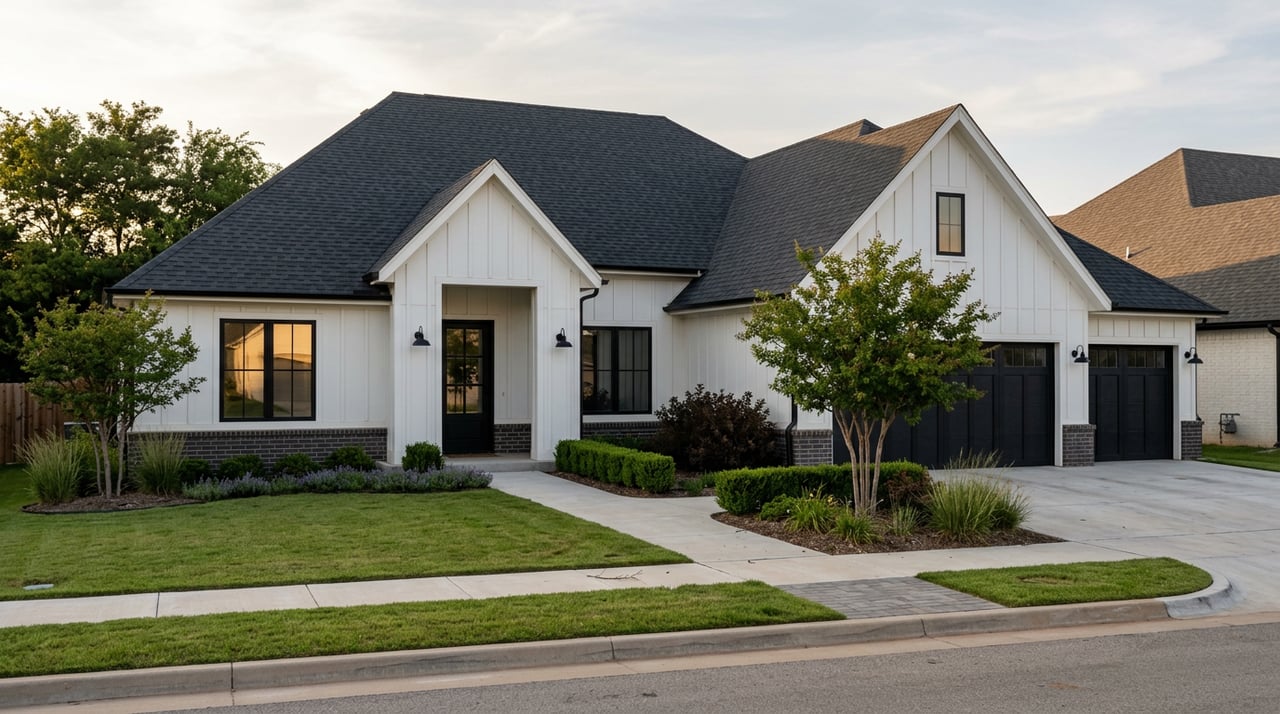
- Townhome inventory: West Fargo has developed one of the most substantial attached townhome inventories in the region, offering lower-maintenance ownership at price points below comparable single-family homes in established Fargo neighborhoods.
- Mixed-use development: The 32nd Avenue West corridor has seen increasing mixed-use activity combining retail, restaurant, and residential components that reduce the purely car-dependent character of the city's newer areas.
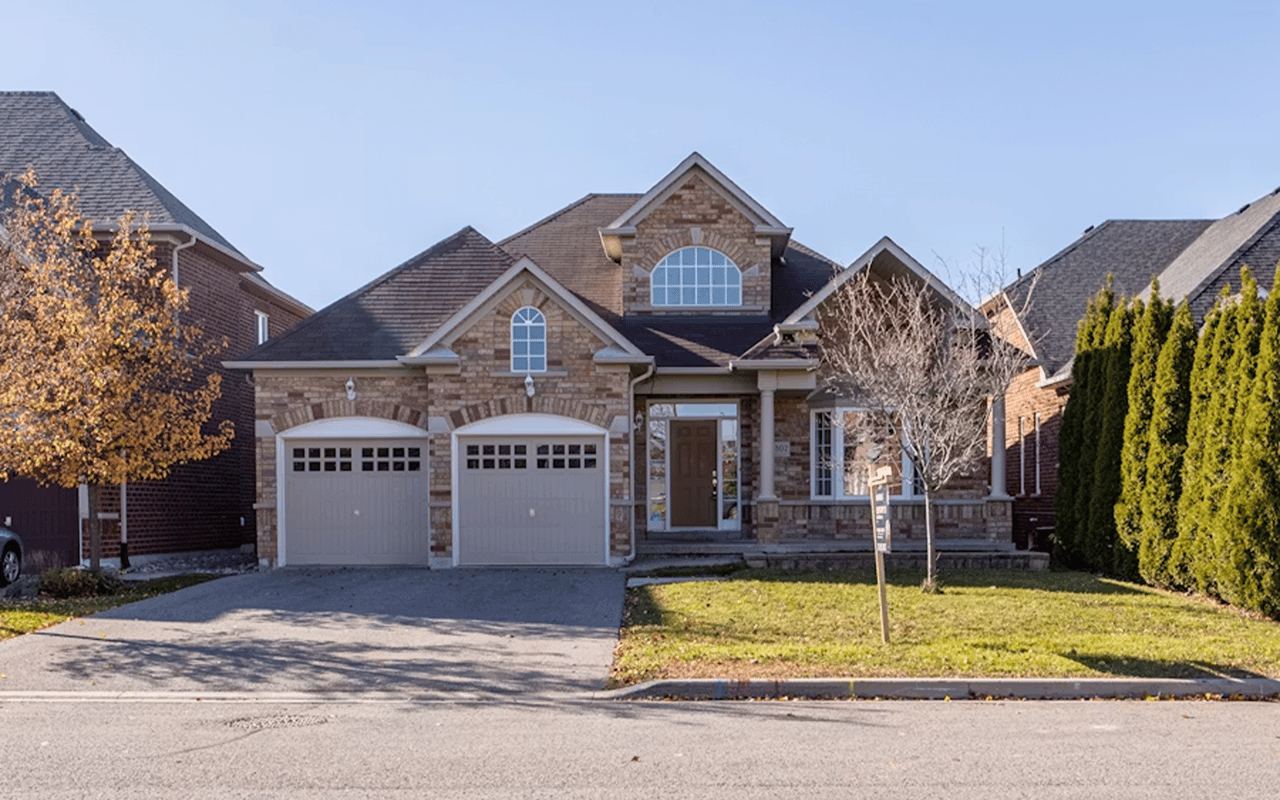
- Price point advantage: New construction in West Fargo's active corridors consistently delivers more square footage per dollar than comparable new builds in Fargo's more constrained development areas.
Living in West Fargo, North Dakota as a new construction buyer means access to a market where multiple regional and national builders compete actively for the same buyer pool.
FAQs
How does West Fargo's property tax rate compare to the City of Fargo’s?
West Fargo and Fargo both fall within Cass County's assessment framework, but municipal mill rates differ between the two cities and affect total annual tax obligations on comparable properties.
Is West Fargo at risk from Red River flooding like parts of Fargo?
West Fargo sits west of the Red River at a generally higher elevation than the Fargo neighborhoods most directly affected by flood events. Buyers should always verify flood zone status on individual parcels regardless of general distance from the Red River.
What is the commute like between West Fargo and downtown Fargo?
The commute runs primarily along Main Avenue West and 13th Avenue South, with travel times ranging from 10 to 25 minutes depending on departure point and time of day. The 32nd Avenue West corridor and the I-94 interchange provide additional routing options.
Contact Up North Real Estate Today
West Fargo's independent municipal infrastructure, active new construction market, and greenway trail system make it one of the most underrated communities in the Fargo-Moorhead metro for buyers who haven't looked closely yet.
We know this city's development corridors, school district boundaries, and neighborhood distinctions as well as any team working in this market.
Reach out to us at Up North Real Estate to work with the best real estate agents in Fargo.
We know this city's development corridors, school district boundaries, and neighborhood distinctions as well as any team working in this market.
Reach out to us at Up North Real Estate to work with the best real estate agents in Fargo.