By Up North Real Estate
Fargo's growth over the last decade has made neighborhood selection more consequential than ever. Whether you're relocating from out of state or moving across town, understanding the distinct character of Fargo, ND, neighborhoods helps you make a decision rooted in how you actually want to live — not just what's available.
Key Takeaways
- Fargo's neighborhoods range from walkable urban districts to quiet suburban developments, each with a distinct lifestyle profile.
- West Fargo is currently the tightest submarket in the metro, while South Fargo and Horace anchor the region's new-construction boom.
- Sticker price and tax rate don't tell the whole story — special assessments on newer homes can add thousands per year to your real carrying cost.
- School districts cross neighborhood lines in ways that surprise most buyers, so where you buy matters as much as the city name.
- Working with agents who know Fargo's neighborhoods from the inside accelerates the search and sharpens the decision.
The Most Popular Neighborhoods in Fargo, ND, Ranked
If you're comparing Fargo neighborhoods, here's how they stack up by buyer demand, inventory, and overall fit. This ranking reflects current market conditions — how fast homes sell, how tight inventory is, and the factors buyers weigh most.
- West Fargo — The tightest submarket in the entire Fargo-Moorhead metro, with roughly two months of inventory and homes going pending in about 20 days. Newer single-family homes and townhomes in the $342,000–$365,000 range, served by West Fargo Public Schools. The catch buyers should know: West Fargo carries a higher consolidated mill levy than Fargo proper (306.19 vs. 298.43), and newer developments often add special assessments on top. The value is in the inventory and the schools, not the tax bill.
- South Fargo & Horace — The region's move-up and new-construction corridor. Resale homes in South Fargo (58104) turn over in about 30 days, with sale medians near $339,000–$342,000 but listing prices reaching $440,000 on custom builds. Horace looks slower on paper (93–125 days on market), but that number is skewed by dirt-lot new-construction listings that sit on the MLS through the build — resale homes there move at a normal pace. Best for families and buyers who want contemporary floor plans and larger lots.
- North Fargo — The most accessible single-family price band in Fargo proper, with sale medians around $250,000–$265,000 and steady 35–45 day turnover. Mid-century and ranch homes near NDSU and Lindenwood Park. A quiet carrying-cost advantage most buyers miss: these established neighborhoods carry almost no remaining special assessments, so total out-of-pocket cost often runs lower than newer areas with similar base tax rates.
- Downtown Fargo — The metro's only genuinely walkable urban district, with historic homes, loft conversions, and condos near the Fargo Theatre, Broadway, and major downtown employers. The lowest entry price in the city on a sale basis ($164,000–$250,000), though condo and loft values vary widely unit to unit. Best for buyers who prioritize walkability and lifestyle over lot size or new construction.
Fargo Neighborhoods at a Glance
Neighborhood | Best For | Typical Sale Price | Median DOM | Schools | Home Style |
|---|---|---|---|---|---|
West Fargo | Fastest-moving market, newer homes | $342,000–$365,000 | ~20 days | West Fargo Public (B, #31 in ND) | Newer single-family & townhomes |
South Fargo | Move-up buyers, custom builds | $339,000–$342,000 | ~30 days | Split: Fargo Public (Davies, A-) & West Fargo Public | New builds, larger lots |
Horace | New construction, master-planned | $347,000–$360,000 | 93–125 days* | West Fargo Public (new Horace High, 2021) | Dirt-lot & new builds |
North Fargo | Value, first-time buyers, low carrying cost | $250,000–$265,000 | 35–45 days | Fargo Public (Longfellow, #1 in metro) | Mid-century & ranch |
Downtown Fargo | Walkability, urban lifestyle | $164,000–$250,000 | ~42 days | Fargo Public (Fargo South feeder) | Historic, lofts, condos |
*Horace's extended days-on-market reflects new-construction listings that stay active through the build. Resale homes sell closer to the metro average.
Downtown Fargo and the Urban Core
Downtown Fargo has undergone a sustained transformation over the past decade and now functions as one of the most genuinely walkable urban districts in the Upper Midwest.
What Makes Downtown Fargo Appeal to Buyers
- A walkable grid of historic homes, loft conversions, and newer infill construction across a range of price points.
- Proximity to the Fargo Theatre, Red River Market, and a concentration of locally owned restaurants and bars along Broadway.
- Easy access to major employers in the downtown medical and technology corridors.
- A strong neighborhood identity and community investment that have made downtown one of the city's more resilient residential markets.
Downtown suits buyers who prioritize walkability, cultural access, and a neighborhood with visible momentum.
The South Side: South Fargo and Horace
South Fargo and adjacent communities represent the fastest-growing residential corridor in the greater Fargo area.
Why South Fargo Attracts So Many Buyers
- A steady pipeline of new construction homes with contemporary floor plans, energy-efficient builds, and larger lot sizes.
- Access to well-regarded schools, though the district depends on where you buy: eastern South Fargo feeds Fargo Public Schools (including Davies High, an A- on Niche), while western and southern 58104 developments fall under West Fargo Public Schools.
- A growing retail and dining corridor that has expanded significantly to serve the area's rapidly increasing population.
- Horace offers a small-town feel with direct access to Fargo's amenities, plus a brand-new school footprint built for its growth — Horace High School and Heritage Middle both opened recently under West Fargo Public Schools.
For families and buyers prioritizing new construction and school quality, the south side delivers the most compelling combination of options in the Fargo market.
North Fargo
North Fargo offers established neighborhoods with mature tree canopies, larger lots, and price points that often undercut comparable square footage elsewhere in the city.
What North Fargo Offers Buyers
- Mid-century and ranch-style homes with strong bones and renovation potential at accessible price points.
- Larger lot sizes relative to newer construction areas, appealing to buyers who prioritize outdoor space.
- Proximity to Lindenwood Park, with walking trails, picnic areas, and direct Red River access.
- A stable, owner-occupied neighborhood character that has proven resilient across market cycles.
North Fargo suits buyers who value established character, outdoor access, and competitive pricing.
A Fargo Cost Most Buyers Miss: Special Assessments
In Fargo, the sticker price and the property tax rate don't tell the whole story of what you'll actually pay. Newer developments — much of Horace, West Fargo, and parts of South Fargo — often carry special assessments: infrastructure debt for street paving, sewer, and water that's attached to the property and paid down over years. These can add anywhere from a couple thousand to several thousand dollars a year to your real carrying cost, on top of your mortgage and taxes.
Established areas tell the opposite story. North Fargo and older central neighborhoods carry almost no remaining special assessments, which means their total annual cost of ownership can run meaningfully lower than a newer home with a similar price and tax rate.
The practical takeaway: when you're comparing two homes across neighborhoods, ask what special assessments are still owed before you assume the cheaper sticker price is actually the cheaper home. It's one of the first things we check for clients, and it regularly changes which house makes the most sense.
West Fargo
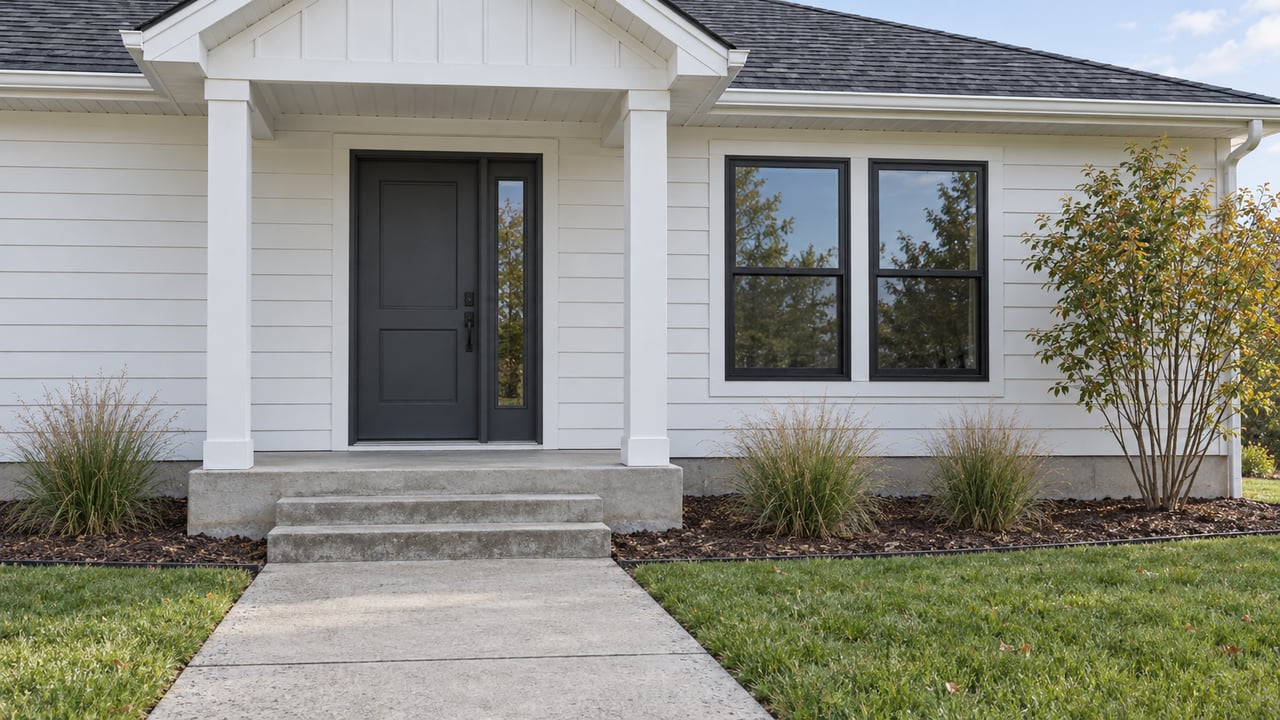
West Fargo functions as a seamlessly integrated extension of the Fargo market, with newer development, strong schools, and price points that run slightly below comparable South Fargo inventory.
Why West Fargo Belongs in Your Search
- Strong inventory of newer single-family homes and townhomes across a range of price points, in the tightest submarket in the metro — homes here go pending in roughly 20 days.
- Highly rated West Fargo Public Schools that draw family buyers from across the metro.
- A note on carrying costs: West Fargo's value comes from price and newer inventory, not taxes. Its consolidated mill levy actually runs slightly higher than Fargo proper, and newer developments often carry special assessments for street, sewer, and water infrastructure — worth factoring into your true monthly cost before you commit.
- A tight-knit community identity with its own parks system, recreation programming, and commercial infrastructure.
West Fargo rewards buyers who prioritize newer construction, school quality, and fast-moving inventory.
FAQs
What is the best neighborhood in Fargo, ND, for families?
South Fargo, Horace, and West Fargo are the most consistently cited options, driven by school quality, new construction availability, and park access. Each offers a slightly different character worth exploring before committing — and because school districts cross city lines here, the specific development matters as much as the city name.
Is downtown Fargo a good place to buy a home?
Yes, particularly for buyers who value walkability and urban amenities. Downtown has seen sustained investment over the past decade and offers the lowest entry price in the city on a sale basis, making it a sound choice for lifestyle-aligned buyers.
How do Fargo and West Fargo compare for buyers?
Fargo offers more neighborhood variety and urban access, while West Fargo tends to offer newer construction at slightly lower price points and the fastest-moving inventory in the metro. West Fargo's taxes actually run a touch higher, so the value is in price and newer homes, not carrying cost. Most buyers benefit from searching both simultaneously.
What is the cost of living in Fargo, ND?
Fargo offers an affordable cost of living compared to national averages, with total expenses sitting roughly 4% below the U.S. baseline. Housing is the primary driver of this affordability, with typical home purchase prices and rent rates staying 10% to 16% lower than national figures. While everyday necessities like groceries and utilities align closely with regional midwestern averages, specialized services like healthcare run somewhat higher than average. Combined with low state income taxes, low unemployment, and reasonable property taxes, Fargo remains a financially accessible hub for young professionals and growing families.
How cold are winters in Fargo, and how do residents manage the climate?
Fargo experiences sub-zero winter temperatures, heavy snowfall, and notable wind chill from November through March. However, the city is exceptionally well-equipped with infrastructure to handle winter weather, including rapid-response snowplowing, heated indoor skyway systems in Downtown Fargo, and widespread modern home insulation. Residents embrace the season through winter sports, ice fishing, indoor community venues, and snowmobile trails, while summers bring long, pleasant days in the 80s (°F) ideal for outdoor recreation.
What does the job market look like in Fargo?
Fargo possesses one of the lowest unemployment rates in North Dakota and the nation, driven by a highly diversified local economy. Major economic sectors include healthcare (Sanford Health and Essentia Health), higher education, agriculture, manufacturing, and financial services. Additionally, Fargo has developed a reputation as a rising tech and startup hub in the Upper Midwest, attracting software, bio-tech, and unmanned aerial system (UAS) ventures supported by research initiatives at North Dakota State University.
How do public schools and higher education rank in the Fargo metro area?
The Fargo metro area is anchored by strong public and private educational institutions. Fargo Public Schools and neighboring West Fargo Public Schools operate modern elementary, middle, and high schools that consistently score near or above state testing benchmarks. For higher education, North Dakota State University (NDSU) brings NCAA Division I athletics, research facilities, and a student population of over 11,000, while nearby Minnesota State University Moorhead (MSUM) and Concordia College across the river round out a prominent college-town dynamic.
What are the primary residential areas in the Fargo metro?
The metro divides into distinct submarkets catering to different lifestyles. South Fargo and Horace are popular for modern master-planned developments, newer single-family builds, and expanding school campuses. West Fargo is one of the fastest-growing cities in North Dakota, offering tight-knit residential developments with high real estate demand. Downtown Fargo features restored historic lofts, walkable amenities, and local dining, while North Fargo offers established, tree-lined neighborhoods near NDSU with quick access to regional parks and the airport.
What is there to do in Fargo for arts, entertainment, and culture?
Downtown Fargo serves as the cultural center of the region, featuring craft breweries, local boutiques, art galleries, live music venues, and restored historic theaters like Theatre B and the Fargo Theatre. The city hosts regional attractions including the Plains Art Museum, the Red River Zoo, and Newman Outdoor Field. Outdoor enthusiasts take advantage of miles of paved bike paths along the Red River, city park complexes, and proximity to Minnesota's lake country, located under an hour's drive to the east.
Find Your Fargo Neighborhood with a Team That Knows Them All
Navigating Fargo's neighborhoods is easier with agents who know each one from the ground up. We're Up North Real Estate, and our team brings deep expertise across Fargo, West Fargo, Horace, Moorhead, Grand Forks, Detroit Lakes, and beyond. We're not here to show you listings — we're here to help you make the right decision with confidence, backed by local knowledge and hands-on guidance built over years of working this market every day.
Whether you're buying your first home or your fifth, we're the partner you want in your corner.
Connect with Up North Real Estate today.