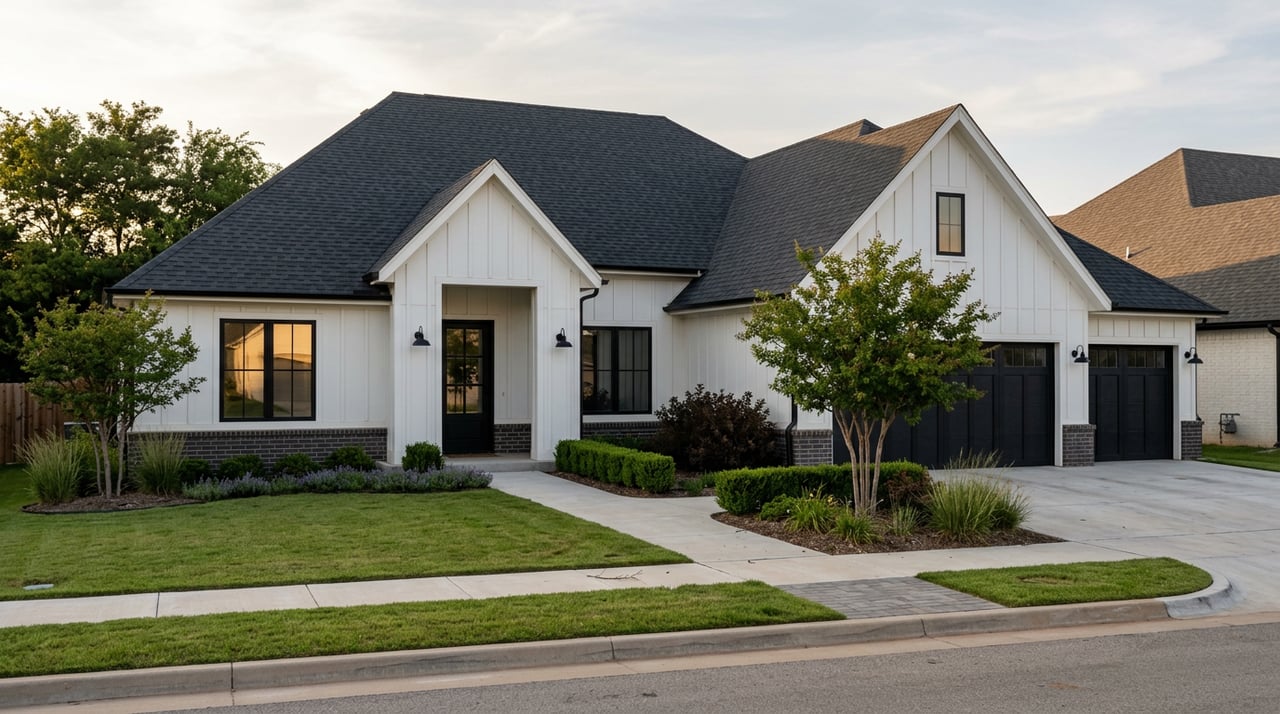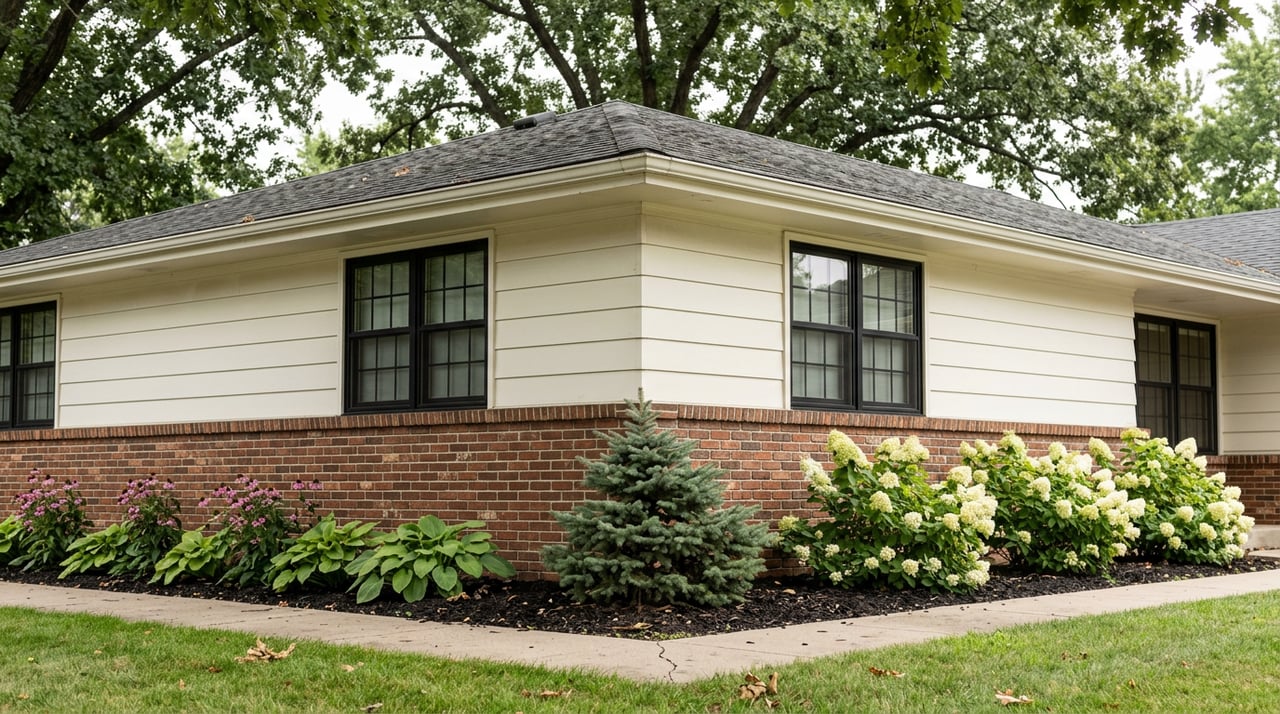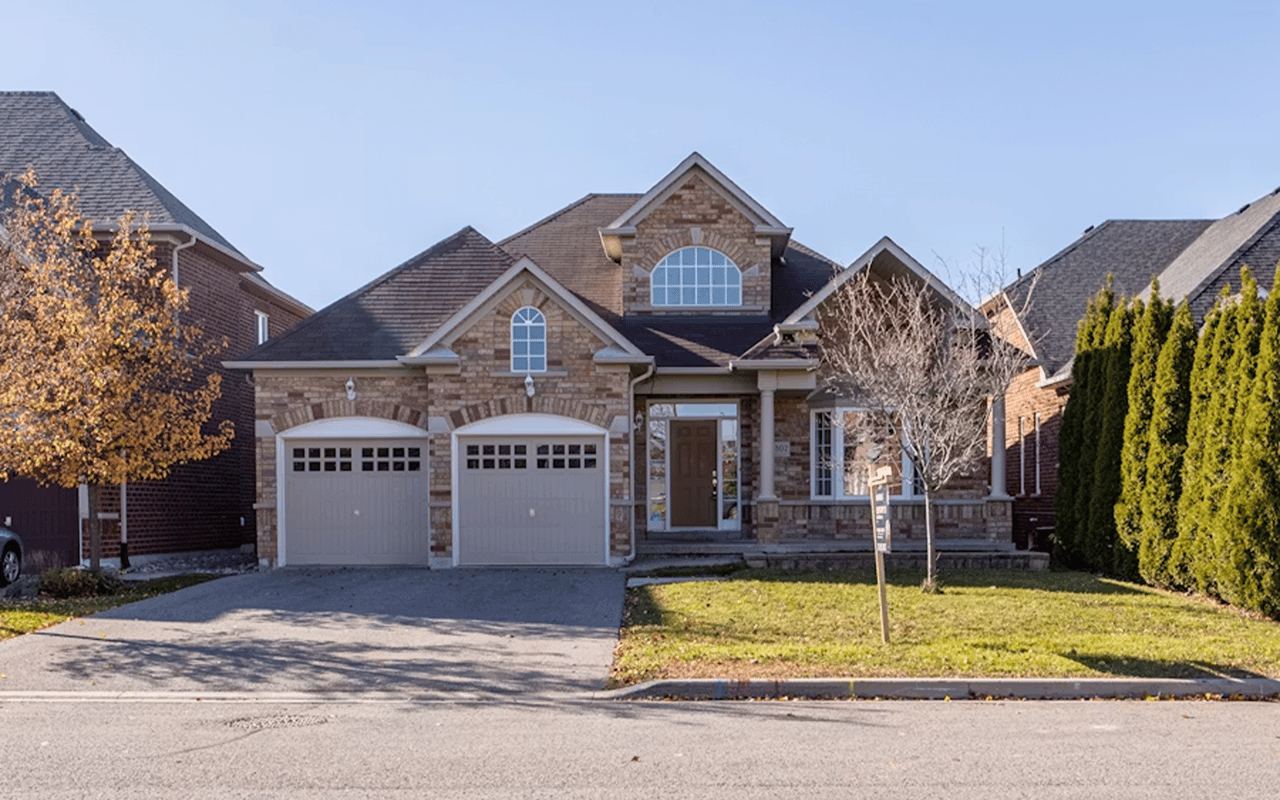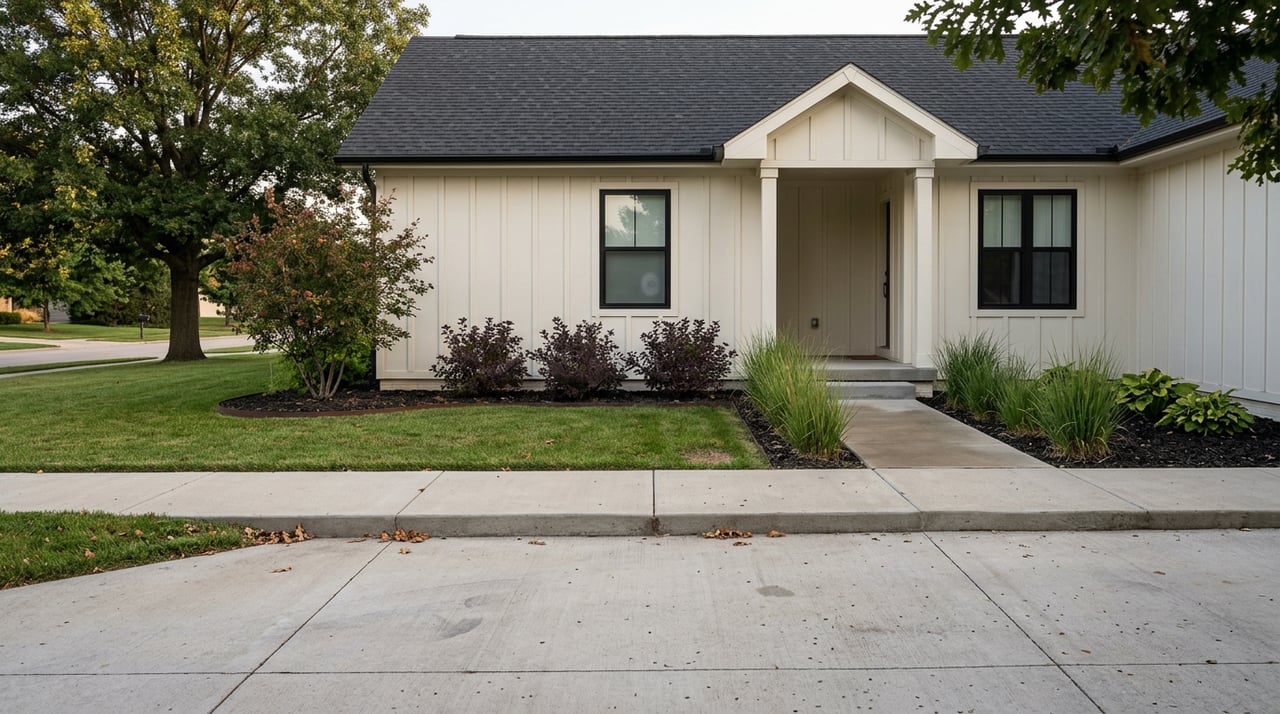
Picture two homes listed at the same price, one in a five-year-old South Fargo subdivision, one in an established block near North Fargo. Same square footage, same asking price, same mortgage math on paper. Then the tax bills arrive, and they are not close. One owner pays a few hundred dollars more a year than the other assumed. This isn't a fluke of assessment error or a school district getting lucky with its levy. It's a financing mechanism most buyers never hear explained until they're already holding the bill.
Most Fargo real estate content treats property taxes as a single number tied to home value, maybe with a passing mention of school district boundaries. That framing misses the part that actually moves the needle for a lot of Fargo buyers: special assessments, the city's method for charging individual properties for the infrastructure that serves them. Understanding how they work, and where they sit right now, changes how you read a listing price.
The Same List Price, Two Different Bills
Fargo's property tax rates are not uniform across the city, and the gap is bigger than most buyers expect. According to 2026 tax data compiled by Ownwell, homeowners in ZIP code 58104 carry a median effective tax rate of 1.42%, while those in 58103 pay 1.28%. That 0.14 percentage point spread sounds small until you look at the dollar amounts behind it.
| ZIP Code | Effective Tax Rate | Median Annual Tax Bill |
|---|---|---|
| 58103 | 1.28% | $3,001 |
| 58104 | 1.42% | $5,226 |
| Fargo citywide | 1.34% | — |
Fargo's overall median home price sits around $270,500, but 58104 carries both the city's highest median home price, at $351,900, and its highest median tax bill. Cass County's median tax bill of $3,530 already runs well above the $2,400 national median. In 58104, it runs further still.
The tempting explanation is that 58104 has pricier homes, so of course the bills are higher. That's part of it. But the effective rate itself, not just the dollar total, is higher there too. A rate difference means something structural is different about how these properties are taxed, not just what they're worth.
Why the Gap Isn't Really About Schools
Ownwell attributes the rate spread to a mix of school district levies and local assessment districts. The school piece gets most of the attention in buyer conversations. The assessment district piece is the one that actually explains why growth areas like South Fargo tend to run hotter.
Fargo funds new infrastructure through what the city calls special assessments. When a developer builds a new subdivision, the city coordinates the curbs, gutters, sidewalks, water mains, and street lighting, then charges the cost back to the lots that benefit. A Fargo city commissioner has described this new-lot charge as "green field expansion," noting it is common for these specials to reach $40,000 or more per lot, repaid over a period that can run 5 to 25 years directly through the property tax bill.
That repayment schedule is the mechanism behind the ZIP code gap. A newer South Fargo subdivision in developments like Osgood, Rocking Horse Farm, or Prairie Farms is likely still paying down its green field specials. An established 58103 block that finished paying off its infrastructure years or decades ago carries none of that burden. Same city, same general tax structure, very different position in the repayment timeline. The 2026 rate differential is a snapshot of two neighborhoods at two different points in the same financing cycle, not a verdict on which one is better run.
Construction costs have made this worse over time. In a 2023 presentation to the Fargo City Commission on the city's infrastructure funding policy, City Engineer Tom Knakmuhs noted that the 15-year average construction inflation rate since 2008 had run at 7.19%, while special assessment caps had risen only 2% annually since 2020. That gap between rising build costs and capped assessments means newer subdivisions have generally absorbed higher per-lot infrastructure charges than the ones built five or ten years earlier.
Levied Versus Pending: The Distinction That Follows You to Closing
Here's the part that catches people off guard regardless of which ZIP code they're shopping in. Fargo's own assessments glossary distinguishes between a levied (or certified) special assessment and a pending one, and the difference matters enormously if you're under contract.
A levied assessment has been approved, completed, and certified to the Cass County Auditor. It shows up as a distinct line item on the annual tax bill. You can see the balance. You can ask the seller to pay it off at closing. It is, in the city's own language, transparent.
A pending assessment is different. The city commission has approved the project and the design work is done, but the cost hasn't been certified to the county yet. That means it doesn't appear on any tax bill you'll see during due diligence. It is invisible in routine research, and it still transfers to the new owner at closing unless the seller pays it off first.
A tax bill only tells you what's already been certified. It says nothing about what's already been approved and is on its way to your mailbox.
The city's own process page notes that a project typically takes about two and a half years from design to certification, which is a long window for a pending assessment to sit unseen while a home changes hands. Pending street reconstruction assessments in Fargo have run from $5,000 to $25,000 or more, and buyers who skip this check have closed on homes without realizing they owed five figures in infrastructure charges that never appeared in the listing.
Where This Shows Up on the Ground
North Fargo has a history of concentrated street reconstruction activity, which means pending assessment research matters there in a way it might not in a newer part of the city. One Fargo city commissioner pointed to a case from the Broadway corridor in north Fargo, where property owners were hit with an unforeseeable special assessment of roughly $20,000 for infrastructure replacement, the kind of charge that catches even longtime homeowners off guard because it applies to aging infrastructure being rebuilt, not new construction.
Older neighborhoods with alleys and legacy utility lines, including areas like Trollwood and Lindenwood, can carry their own water main and alley assessment activity tied to infrastructure that's simply reached the end of its service life. New growth corridors in South Fargo carry green field specials for infrastructure that didn't exist five years ago. Neither situation is worse than the other. Both are reasons the sticker price on a listing is not the full financial picture.
Before You Write an Offer
- Search the property address through the city's special assessment records before you get attached to a home. This shows certified assessments and remaining balances.
- Ask your agent or the listing agent directly whether the property or subdivision has any pending assessments in process, since these won't appear in a standard records search.
- If a pending assessment exists, negotiate who pays it before closing rather than discovering it on your first tax statement.
- Factor any remaining special assessment balance into your true monthly housing cost, not just principal, interest, taxes, and insurance.
- If you're comparing a new-construction home to an established resale at a similar price, ask specifically how much of the newer home's tax bill is general levy versus active specials. That answer tells you more about long-term cost than the ZIP code alone.
The Takeaway for Buyers and Sellers
The lesson isn't that South Fargo is expensive or that North Fargo is a bargain. It's that a Fargo property tax bill is a photograph of where a specific block sits in a decades-long infrastructure financing cycle, and that photograph changes as specials get paid off or new ones get certified. Two homes at the same price can be at opposite ends of that cycle. Reading the assessment history, not just the current tax line, is how you find out which one you're buying.
A Few Common Questions
Does a standard home inspection catch special assessments? No. A home inspection covers the physical condition of the property. Special assessments are a financial and legal matter tied to the parcel, which is why they need a separate records check through the city rather than an inspector's report.
Can a special assessment be paid off early? Yes. Cities in the Fargo-Moorhead area generally allow certified assessments to be paid in full, which can be negotiated as part of a purchase agreement so the balance doesn't transfer to the buyer.
Does every home in Fargo carry a special assessment? No. Many established homes, particularly in neighborhoods that finished their infrastructure buildout years ago, carry no active specials at all. That's part of why the ZIP-level tax gap exists in the first place.
If you're comparing homes across Fargo neighborhoods and want someone to actually pull the assessment history before you write an offer, that's the kind of groundwork Up North Realty Group builds into every transaction. Get Your Home's Value and let's talk through what a specific address really costs to own, not just to buy.