Buying your first home in Moorhead can feel big, especially if you are trying to balance price, condition, and location. The good news is that starter homes here are within reach, and you can move with confidence when you know what to expect. In this guide, you will learn what entry-level homes cost, what they typically look like, how to assess local risks like flood and radon, and the steps to get from pre-approval to closing. Let’s dive in.
Moorhead starter home prices now
Entry-level homes in Moorhead commonly list in the 200,000 to 300,000 range, with a typical local value around the high 200s. Market pace is moderate, with many homes taking about 40 to 60 days to sell depending on price band and condition. The most affordable listings tend to move faster, so being well prepared helps you act quickly when the right place appears.
You will also see options below 200,000, usually smaller homes, condos, or properties that need renovation. Newer or fully updated homes with more space often price above 300,000. These bands shift with inventory, so keep an eye on new listings each week.
What starter homes look like here
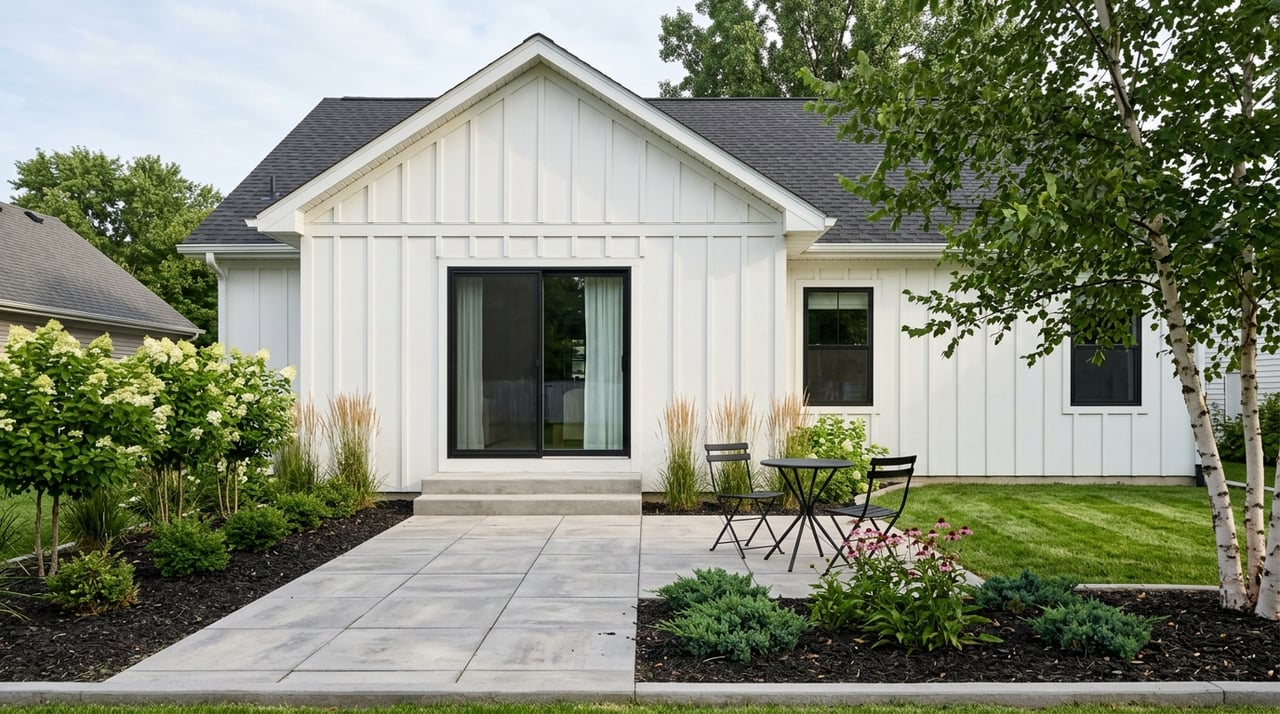
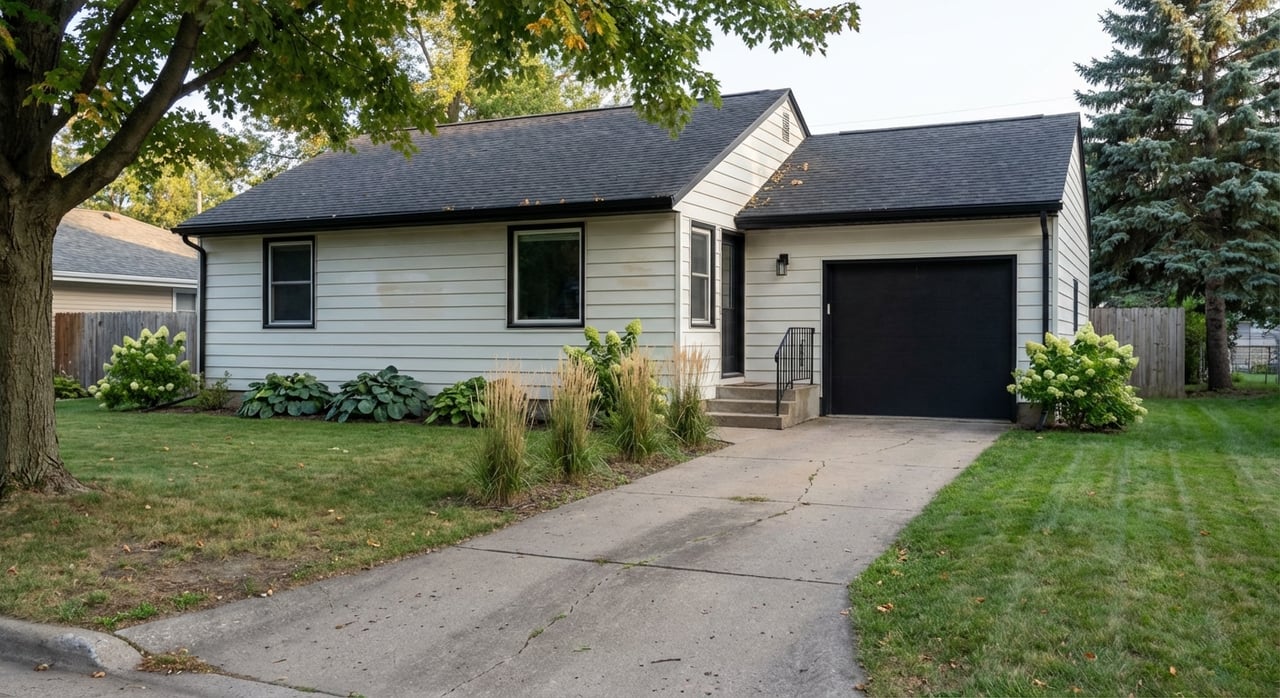
Many Moorhead starter homes are older single-family houses such as bungalows, ranches, and split entries. Expect 2 to 3 bedrooms, 1 to 2 bathrooms, and roughly 1,000 to 1,800 square feet. You will also find townhomes, condos, and twin-home layouts that can offer lower maintenance.
Older homes can trade a lower price for older systems. Roofs, windows, HVAC, plumbing, and electrical may be at mid-life or beyond. Plan a budget for updates or negotiate seller concessions when needed. Basements are common and useful for storage, but they are also where moisture issues tend to show up first.
Typical features include one-car or detached garages, modest yards, and gas or forced-air heating that fits the local climate. Lower-priced homes may have smaller kitchens or dated finishes, while higher-priced options offer more updates or yard space.
Neighborhood and location factors
Prices vary across Moorhead neighborhoods. River-adjacent or newer areas can run higher, while established central neighborhoods often present starter-level opportunities. When you compare options, look at recent neighborhood-level medians and days on market to set realistic expectations.
Proximity matters. Many buyers weigh commute times to Fargo job centers, access to Minnesota State University Moorhead and Concordia College, and bus routes. Think about your daily routine and which locations cut time and stress from your week.
Flood and radon basics to check
Moorhead sits along the Red River of the North, and floodplain status can affect insurance and lending. If a home lies within a FEMA Special Flood Hazard Area, flood insurance is typically required for financed purchases. Review local guidance and ask sellers about any mitigation or prior claims. The City of Moorhead’s floodplain page explains mapping, insurance, and local resources in plain terms. You can find it under the city’s flood insurance information.
- Learn more about local floodplain and insurance guidance on the City of Moorhead’s flood information page: City floodplain and insurance guidance.
Clay County and Minnesota recommend radon testing. Many buyers add a radon test during the inspection window, and mitigation is common if levels come back high. Clay County Public Health provides information and access to test kits.
- See regional guidance and test kit details: Clay County Public Health radon info.
Get mortgage ready with local programs
If you are a first-time buyer, Minnesota Housing’s Start Up program and the Step Up program for other buyers may pair a first mortgage with down payment and closing cost assistance. These programs have income and purchase price limits that update each year. Confirm the latest terms and find approved lenders on Minnesota Housing’s program overview page: Minnesota Housing program summary.
Homebuyer education is often required for assistance and is always a smart move. The City of Moorhead lists approved local courses, so you can complete this step early and be ready when you find the right home. Check options here: City of Moorhead homebuyer education.
Also review any local incentives that may apply to your plans, such as new construction tax rebates or special assessment financing. The City maintains a current list: Moorhead homebuyer incentives.
Tour like a pro
Go into each tour with a simple checklist. You are not replacing a home inspection, but you can spot obvious issues and set expectations before you write an offer. Focus on:
- Basement and foundation: look for water staining, a working sump pump, and grading that directs water away from the house.
- Roof and exterior: check shingle wear, downspouts, and siding condition.
- Windows and insulation: drafty windows or missing storm windows can affect comfort and costs.
- Mechanical systems: check furnace age and visible condition, and ask about service records.
- Electrical: open the panel if accessible and note breakers vs. fuses.
For a deeper look at common basement and crawlspace issues in northern climates, review InterNACHI’s guide: Moisture and crawlspace basics.
Write a strong offer
In Minnesota, a pre-approval letter and an earnest money deposit strengthen your offer. Typical inspection periods often run 7 to 14 days, while financing and appraisal deadlines commonly fall within 21 to 45 days depending on your loan type and lender. Make sure these timelines in your purchase agreement match your lender’s requirements.
For a helpful overview of earnest money in Minnesota, see this legal explainer: Earnest money in Minnesota. For questions about appraisal and financing contingencies under standard Minnesota contract forms, the Minnesota REALTORS legal resources offer clear guidance: Minnesota REALTORS Legal Hotline resources.
Inspections and smart add-ons
Your general inspection should prioritize the foundation and grading, roof and attic, HVAC, plumbing, electrical, and any visible structural concerns. In Moorhead, basement moisture and freeze-thaw impacts deserve special attention. Ask your inspector to estimate remaining life for big-ticket items like the roof and furnace.
Add tests that fit local norms and the home’s age. Radon testing is common and recommended. If the property is not on municipal sewer, consider a sewer or septic inspection. For pre-1978 homes, follow lead-based paint disclosure rules and consider testing. If the home is in a mapped flood zone, request documentation of any mitigation work.
After the inspection, you can request repairs, ask for a credit, negotiate a price adjustment, or cancel within your contingency if the contract allows. Minnesota REALTORS legal resources explain how disclosures and inspection reports factor into negotiations.
Your next steps
Use this simple checklist to move forward without feeling overwhelmed:
- Get pre-approved with a lender familiar with Minnesota Housing and ask about Start Up or Step Up options. Review program basics here: Minnesota Housing program summary.
- Complete an approved homebuyer education course through a local provider listed by the City: Homebuyer education options.
- Build a complete budget that includes repairs, insurance needs, and property taxes. Verify property taxes and any special assessments with the city or county before you write an offer.
- Tour with a checklist. Pay close attention to the basement, sump pump, grading, roof, furnace, electrical panel, windows, and insulation.
- Include an inspection contingency. Add radon testing and, for older homes, consider lead-based paint guidance and any targeted system checks.
- Align your offer timelines with your lender and confirm down payment assistance eligibility and deadlines early.
The Fargo–Moorhead region has strong demand for entry-level ownership, which keeps starter homes in steady circulation. A recent regional housing needs analysis highlights a supply gap for affordable homes, so preparation and a clear plan will help you move decisively when the right property appears. To understand the broader context, you can review the regional analysis here: Fargo–Moorhead housing needs and market analysis.
Ready to zero in on a starter home that fits your budget and timeline? Reach out for a no-pressure consult and a step-by-step plan tailored to Moorhead. Connect with Brett Dalzell to get started.
FAQs
What does a starter home cost in Moorhead right now?
- Many move-in-ready options list between 200,000 and 300,000, with a typical local value in the high 200s and market times often around 40 to 60 days.
Do I need flood insurance to buy in Moorhead?
- If a property lies in a FEMA Special Flood Hazard Area and you finance the purchase, flood insurance is usually required, so always check maps and ask about any mitigation or prior claims.
Is radon a concern in Clay County homes?
- Yes, radon testing is recommended in this region, and buyers often add a radon test during the inspection window with mitigation installed if levels are high.
How long are inspection and financing contingencies in Minnesota?
- Timelines vary by deal and lender, but inspection periods often run 7 to 14 days and financing and appraisal deadlines commonly land within 21 to 45 days.
Which programs can help first-time buyers in Moorhead?
- Minnesota Housing’s Start Up and Step Up programs can pair a first mortgage with down payment and closing cost assistance, subject to income and price limits and a homebuyer education requirement.