Wondering what real life in Fargo looks like beyond the headlines and movie quotes? You’re not alone. If you’re thinking about a move, you want more than postcard scenes. You want to know how your days will actually feel, from commute rhythms to winter routines and where people spend weekends. This guide gives you a clear, practical picture so you can plan with confidence. Let’s dive in.
Fargo at a glance
Fargo is North Dakota’s largest city and the center of the Fargo–Moorhead metro, which includes West Fargo in Cass County and Moorhead across the Red River in Minnesota. It functions as a regional hub, so everyday needs are close by. You’ll find strong healthcare networks, higher education at North Dakota State University, a growing tech and manufacturing presence, and plenty of retail and services.
You’ll feel a friendly, community‑oriented culture with a modern Midwestern pace. NDSU brings college‑town energy with sports and events that shape certain days, especially in the fall. The image from pop culture does not match the real city. Fargo today is diversified, active, and increasingly cosmopolitan while staying grounded and practical.
What weekdays feel like
Morning routines
Mornings move quickly but rarely feel frantic. People head to hospitals, clinics, classrooms, and offices, and NDSU students filter toward campus. Coffee shops and quick cafés see steady action as downtown and major corridors come alive. If you have school‑age kids, school runs fit smoothly into a typical commute window.
Midday rhythm
Lunch hours are busy around downtown, campus, and neighborhood retail centers. Errands are convenient, and many residents use midday to fit in gym visits or a park walk. Service providers tend to be accessible since the city serves as a regional center.
Evenings and nights
Most neighborhoods quiet down in the evening. You’ll see people at community centers, youth sports, and recreation leagues. NDSU games and special events can add buzz and brief congestion near venues, but it stays manageable. Weeknights usually wrap earlier than in large metros, with a bit more energy on Fridays.
Getting around
Driving is the primary way most residents get to work and errands. Commutes are typically short compared with big cities, often around 15 to 25 minutes. Rush hours concentrate at I‑94 and I‑29 interchanges, main arterials, and near downtown or campus events.
Public transit is available through MATBUS, which runs routes across Fargo–Moorhead with service focused on major corridors and the university. Rideshare operates, though it’s lighter than coastal metros. For air travel, Hector International Airport connects you to regional and national hubs. It’s convenient for work trips and vacations, even if it’s not part of your daily routine.
Life across neighborhoods
Downtown Fargo
Downtown is walkable and active, with a mix of apartments and townhomes above shops and restaurants. It’s a natural choice if you prefer to walk to dining, arts, and events. Workday energy is steady, and weekends bring visitors for festivals and performances.
Classic tree‑lined areas
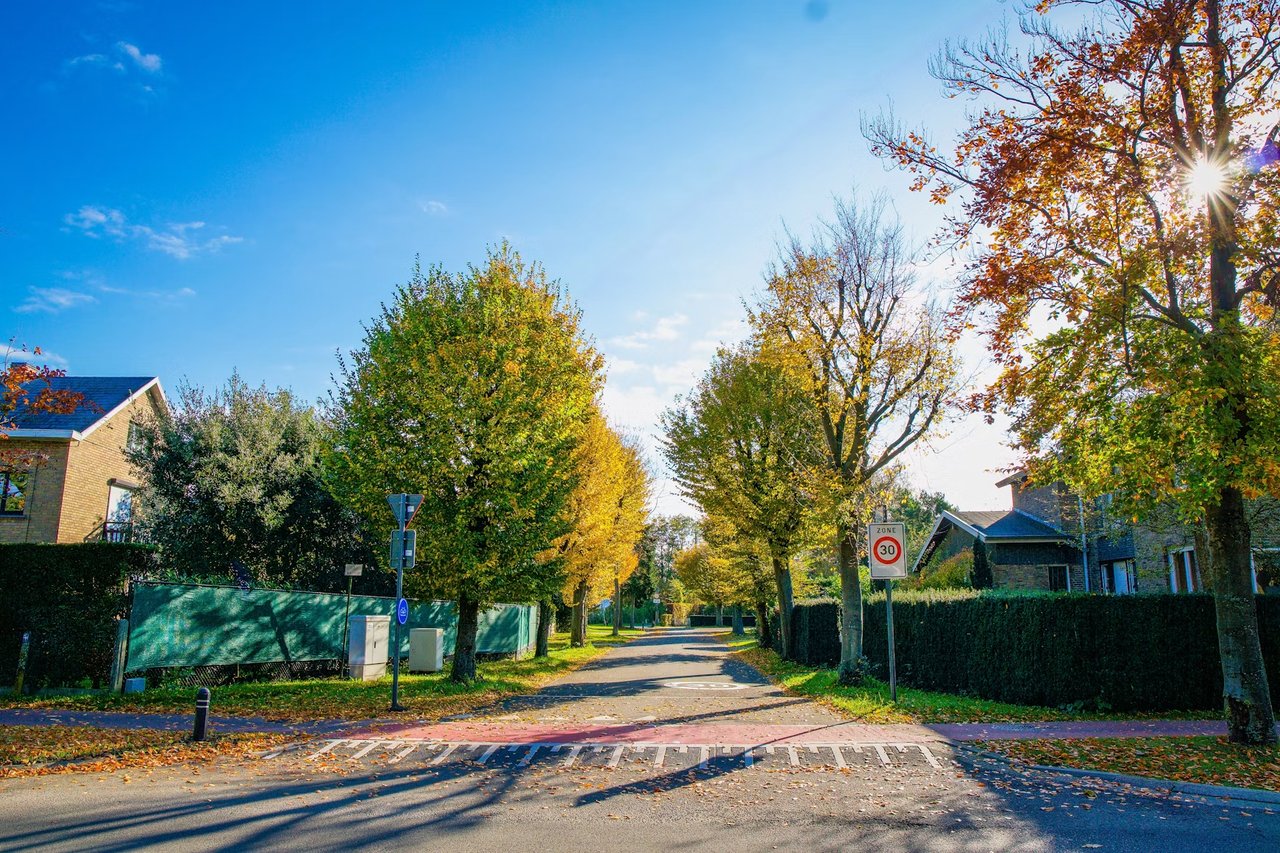
Older neighborhoods, including parts of South Fargo near parks like Island Park and Lindenwood, feature early‑ to mid‑century homes, mature trees, and close proximity to local schools and green spaces. Side streets are calmer, and daily life centers on nearby amenities.
Newer suburbs in south and west Fargo
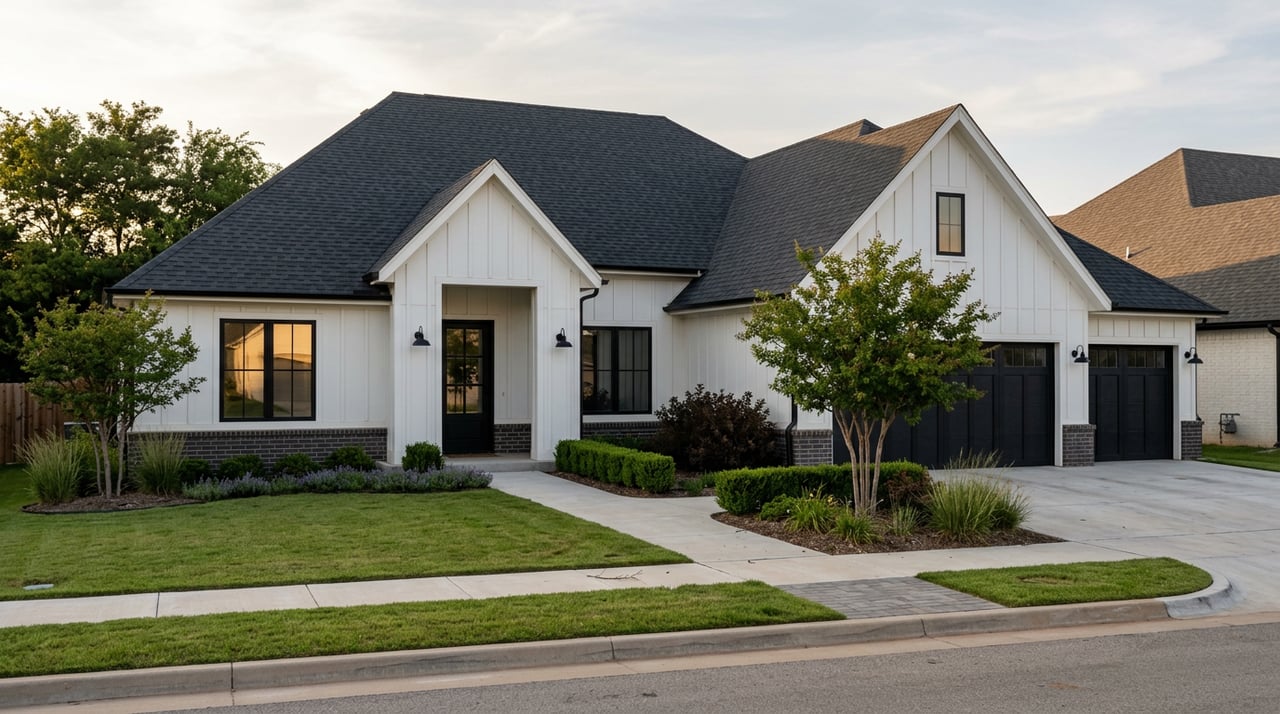
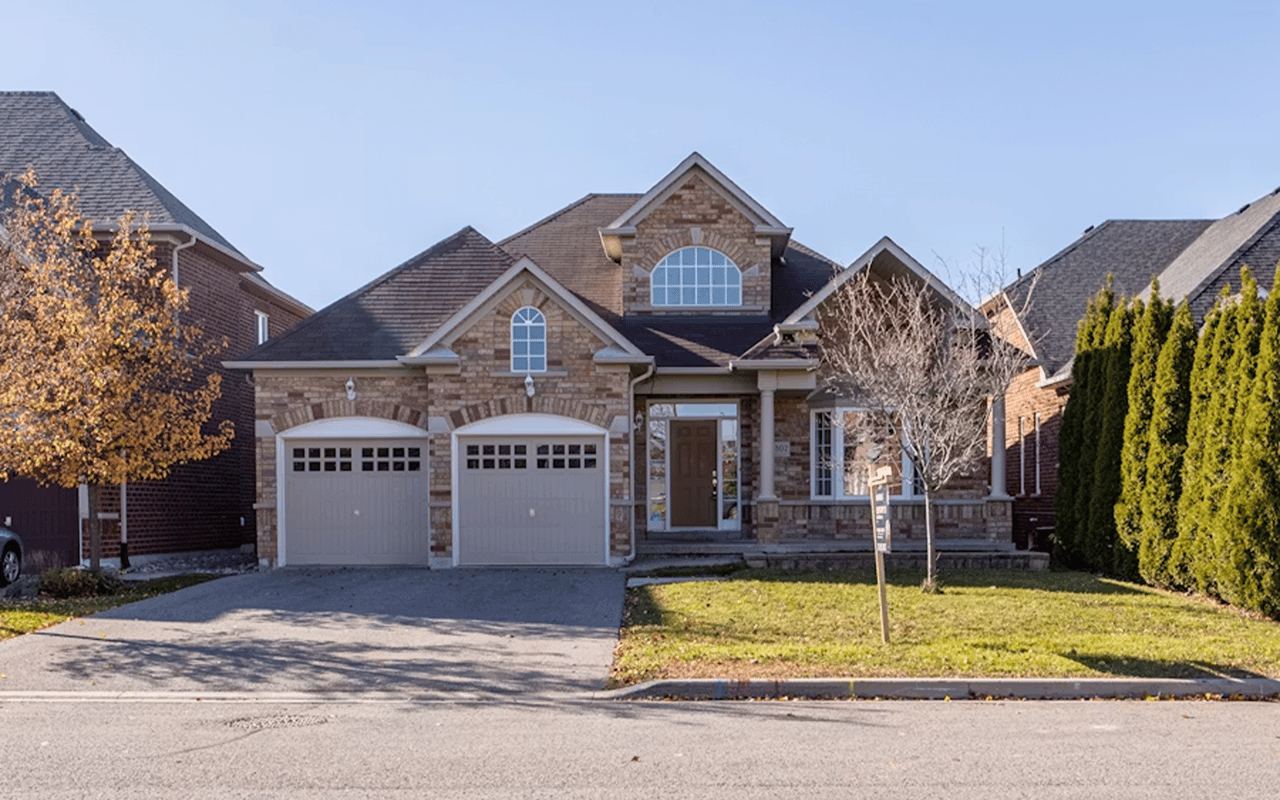
Master‑planned areas offer newer single‑family homes, attached garages, and community amenities. You’ll find modern layouts, neighborhood trails, and convenient access to newer schools and recreation centers. West Fargo has grown into a strong suburban option with its own shopping and services.
Cross‑river connections
Many residents live in one part of the metro and work or shop in another. Moorhead, MN and West Fargo, ND are part of the same daily ecosystem, so your grocery store, gym, and favorite restaurant might be across the river or a short drive down a main corridor.
Homes you’ll see
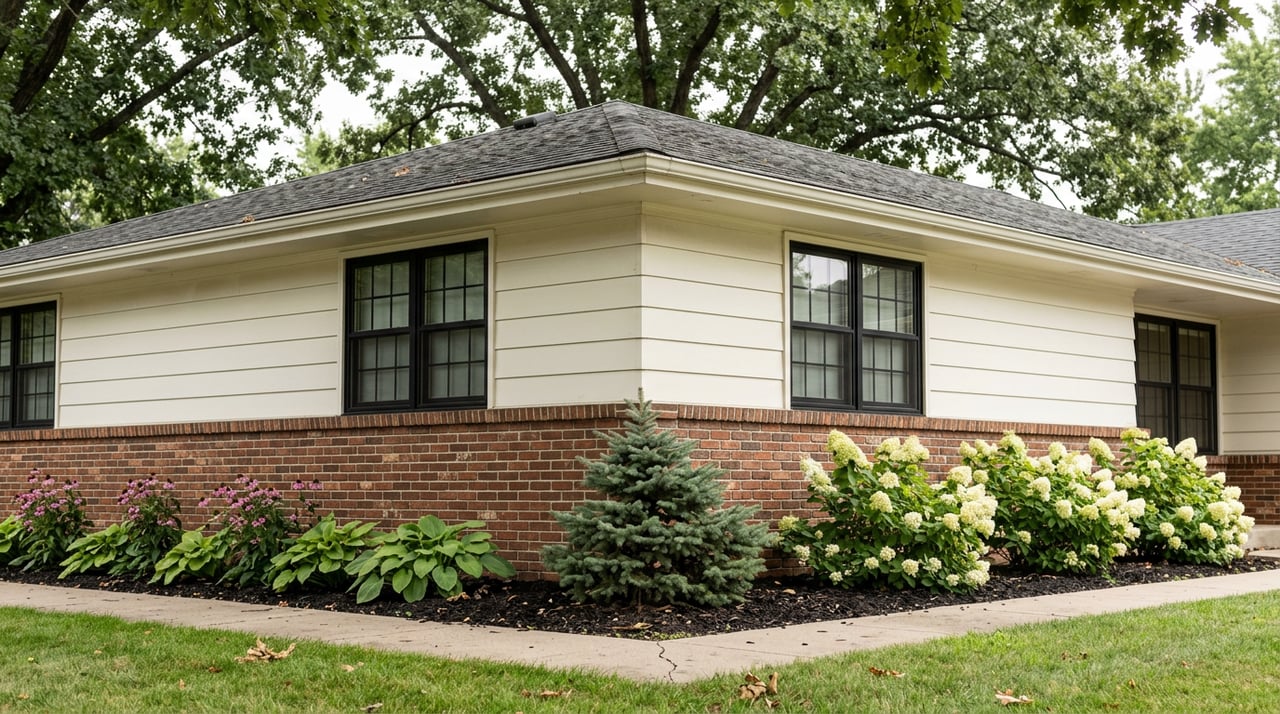
Fargo’s housing stock is varied. In historic areas you’ll see bungalows, craftsman styles, and two‑story homes. Post‑war ranch homes are common, and new subdivisions from the 2000s to today offer open floor plans and energy‑efficient systems. Basements are typical and often used for storage, living space, or storm shelter.
Most single‑family homes include garages and yards suited for winter snow storage and summer landscaping. If you prefer multifamily living, apartments cluster near downtown, around NDSU, and in newer developments. Townhomes and condos appear in both infill and suburban communities, giving you options for low‑maintenance living.
Seasons that shape routines
Winter habits
Winters are long and cold with regular snow. You’ll get used to snow removal, warming up the car, and choosing the right layers. Plows move quickly, but your commute can run slower after storms. Many residents enjoy winter recreation like skating, hockey, and cross‑country skiing, and indoor rec centers help you stay active.
Spring and flood awareness
Spring brings thaw and a seasonal flood risk along the Red River. City infrastructure, levees, and a regional diversion project shape today’s protection, and local guidance helps residents stay prepared. If you’re considering a river‑adjacent home, you’ll want to review elevation certificates, flood maps, and insurance options.
Summer momentum
Summer is the city’s social peak. Expect farmers markets, festivals, live music, and patio dining. Trails and parks stay busy, and weekends often include day trips to lakes or river recreation. It’s also a popular season for real estate showings and neighborhood events.
Severe weather readiness
Summer thunderstorms and occasional tornado risk mean you’ll follow weather alerts and know your safe spot at home, often a basement. Winter storms call for emergency kits, good tires, and flexible schedules. Locals build these habits into routine planning.
Weekends in every season
- Summer weekends: bike paths, park time, patio brunch, farmers markets, neighborhood festivals, and lake day trips.
- Fall weekends: college football games, park walks in cooler weather, and early seasonal events.
- Winter weekends: youth hockey or skating, indoor rec, warm drinks downtown, and relaxed movie nights.
- Spring weekends: yard prep, local clean‑up days, and first patio meals when the sun returns.
Daily essentials and where to find them
- Groceries and shops: Multiple chains and neighborhood markets are spread across the city, with larger shopping centers along major roads and in West Fargo.
- Healthcare: Several hospitals and major clinics serve the region, so urgent and specialized care are available without long travel.
- Education and child care: Fargo Public Schools is the primary district, with additional private and parochial options. Daycare and preschools operate citywide, though availability varies by neighborhood.
- Parks and culture: A robust park system, riverfront trails, and community programs support year‑round activity. Cultural options include art museums, historic theaters, and aviation exhibits, plus university athletics and events.
- Dining and nightlife: Local cafés, farm‑to‑table spots, and craft breweries shape a growing food scene. Nightlife is active on weekends, with extra energy on college nights.
Practical tips for new residents
- Utilities and broadband: Expect typical electric, gas, and water services. Strong broadband coverage is common, but check availability by address if you work remotely.
- Basements and mitigation: Basements are common. For homes near the river, ask about sump pumps, backflow valves, and any floodplain requirements.
- Parking and cars: Most households own a vehicle. Downtown can be walkable, but many residents still drive for errands.
- Taxes and insurance: Property tax rates vary by city and county. Flood zone status can influence insurance, so review property details with your agent and insurer.
- Seasonal prep: In fall, plan for snow tires, shovels, and emergency kits. In spring, clear gutters and monitor local flood updates. In summer, make the most of parks and patios.
Try a day in Fargo
Young professional
- 7:30 a.m.: Grab coffee and head to the office with a 15–25 minute commute.
- 12:00 p.m.: Walk to a quick lunch or meet a friend near downtown.
- 5:30 p.m.: Gym session or river trail jog.
- 7:00 p.m.: Dinner at a local spot, then a show or low‑key hangout.
Family with school‑age kids
- 7:00 a.m.: Breakfast, school drop‑offs, and short commutes to work.
- 3:30 p.m.: Pickups and snacks.
- 6:00 p.m.: Youth sports or a park visit.
- 8:00 p.m.: Homework, reading, and wind‑down.
NDSU student
- 8:00 a.m.: Bus or bike to campus.
- 12:30 p.m.: Lunch with classmates.
- 3:00 p.m.: Library or lab time.
- 7:00 p.m.: Club meeting, game night, or downtown meetup.
Retiree
- 8:30 a.m.: Coffee and a neighborhood walk.
- 11:30 a.m.: Volunteer shift or museum visit.
- 2:00 p.m.: Groceries and errands.
- 6:00 p.m.: Dinner with friends and a local performance.
What to expect when you shop for a home
- Home styles: Early‑century charm, mid‑century simplicity, and modern open layouts all show up on the same tour day.
- Features that matter: Basements, garages, and energy‑efficient systems help with winter comfort and storage.
- Neighborhood tradeoffs: Downtown walkability vs. suburban space and newer amenities. Consider commute, parking, and access to parks.
- Seasonal timing: Inventory and activity ebb and flow with the seasons. Summer and early fall often feel more active, but good options appear year‑round.
Ready to explore homes?
If you want local insight and a clear plan, you’re in the right place. Our team pairs neighborhood knowledge with a structured process to help you land the right home or list with confidence. Whether you’re moving in from across the country or across the river, we’ll make it smooth and predictable.
Have questions or want a personal game plan? Connect with Brett Dalzell for a friendly, no‑pressure conversation. If you’re selling, ask for a human‑prepared valuation to see your position in today’s market.
FAQs
What are typical commute times in Fargo?
- Many residents report drives in the 15–25 minute range, with congestion near major interchanges, downtown, and campus during peak times.
How reliable is public transit in Fargo–Moorhead?
- MATBUS serves main corridors and the university with moderate frequency. It works well for certain routes, though most residents still prefer driving.
What is winter living like in Fargo?
- Expect cold temperatures, snow removal, and slower travel after storms. With proper gear and planning, daily life continues smoothly and recreation shifts indoors.
Should I worry about flooding near the Red River?
- Spring thaw brings seasonal risk in some areas. Review flood maps, elevation certificates, and insurance options for river‑adjacent properties and follow city guidance.
What home types are common in Fargo?
- You’ll find early‑century homes, mid‑century ranches, and newer construction with modern layouts. Basements and garages are common across most property types.
How walkable is Fargo day to day?
- Downtown and select neighborhoods are walkable for errands and dining, but many trips elsewhere are car‑oriented. Trails support recreational walking and biking.