Wondering which West Fargo home style will fit your life and our winters? You have plenty of choices, from classic ramblers to new two-story builds and low-maintenance townhomes. Each layout comes with trade-offs in budget, space, and long-term comfort in a cold-climate market. This guide breaks down the most common styles, interior features, and practical tips so you can buy with confidence. Let’s dive in.
West Fargo factors to know
West Fargo has grown fast, with new subdivisions adding two-story plans, paired homes, and townhomes. Older neighborhoods offer split-levels, bi-levels, and early ramblers. That mix gives you options at several price points and eras.
The climate shapes construction. Full basements are common, insulation matters, and most homes use central forced-air heat with central AC. You will often see sump pumps and basement egress windows because spring snowmelt and groundwater can be a factor.
Drainage and floodplain details matter near the Red River and local tributaries. Ask about lot elevation, any elevation certificates, and whether flood insurance is required. In newer subdivisions, review HOA covenants and stormwater easements that may affect fencing, sheds, or backyard use.
Rambler and ranch homes
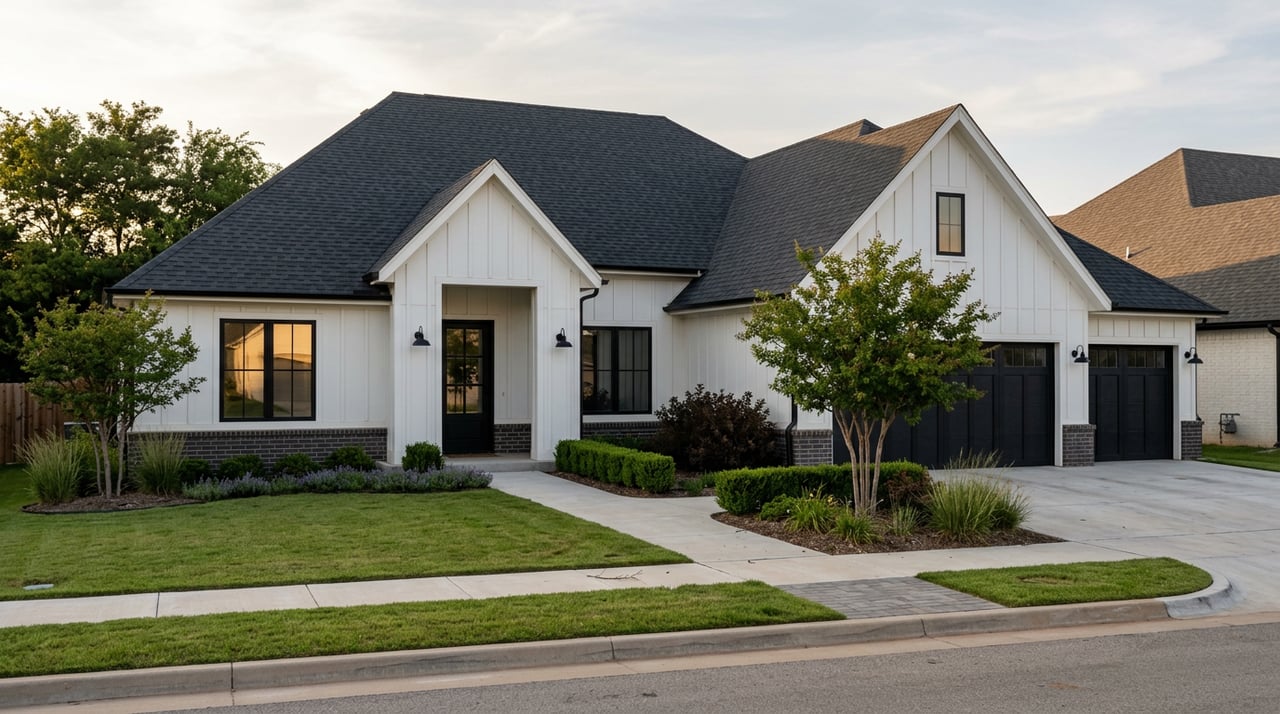
Rambler, or single-story, homes show up in both older areas and new builds. Newer ramblers often feature open main living, a main-floor primary suite, and convenient main-floor laundry.
- Strengths: True single-level living and an easy daily routine. Great for aging in place or if you simply prefer fewer stairs.
- Trade-offs: For the same lot size, a rambler can have a smaller main-floor footprint than a two-story. If you want more bedrooms, you may rely on the basement for added space.
- Best fit: Buyers who want accessibility and a smooth flow with main-floor bedrooms.
Two-story traditional and contemporary
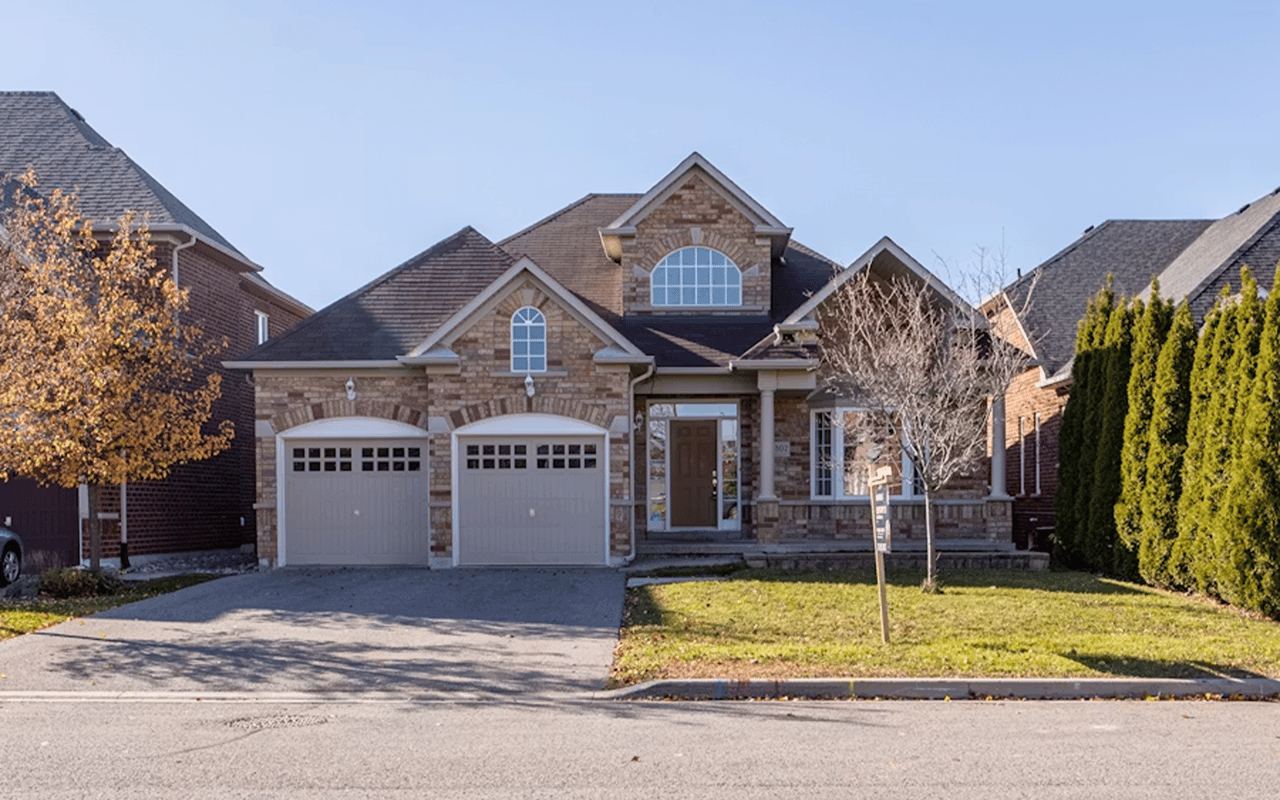
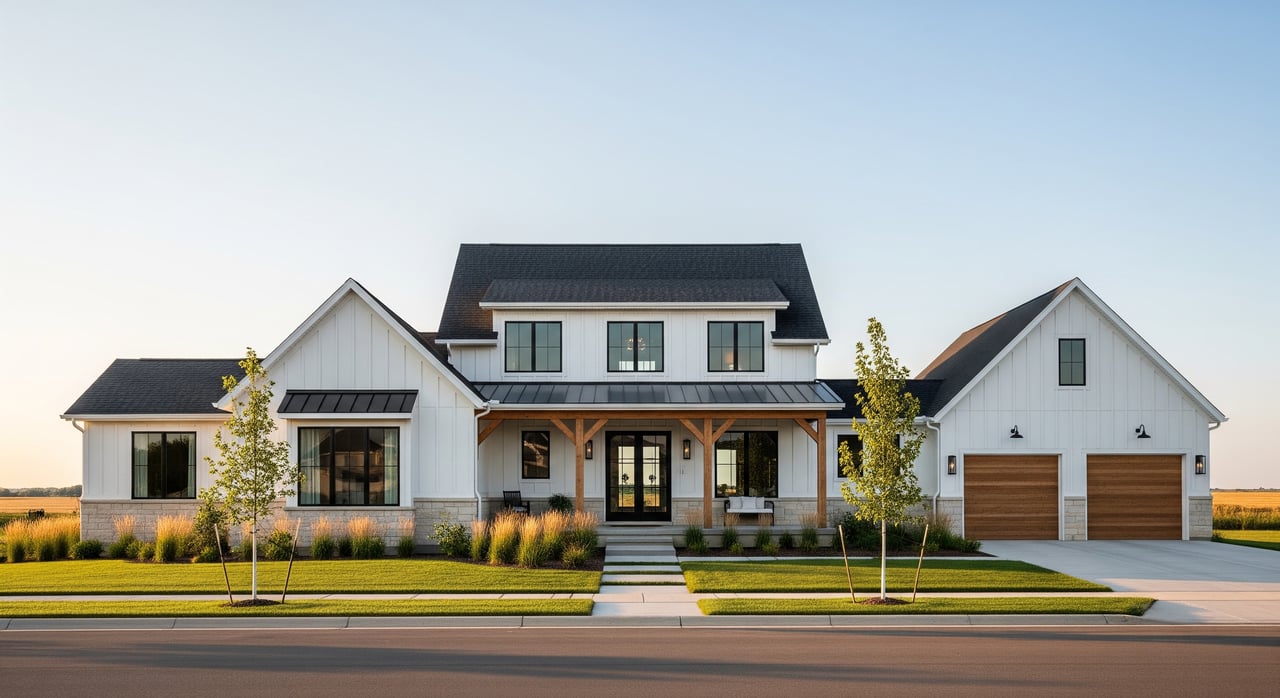
New construction in West Fargo leans toward two-story plans with an open main level and bedrooms upstairs. Many include a loft or office and two to three-car garages.
- Strengths: More finished area on a smaller footprint can improve cost per square foot. Bedrooms cluster upstairs for privacy.
- Trade-offs: Daily stairs separate living and sleeping zones. If you want a main-floor bedroom, look for a plan with a flex room that can convert.
- Best fit: Households that want more bedrooms and value per square foot.
Split-level and bi-level
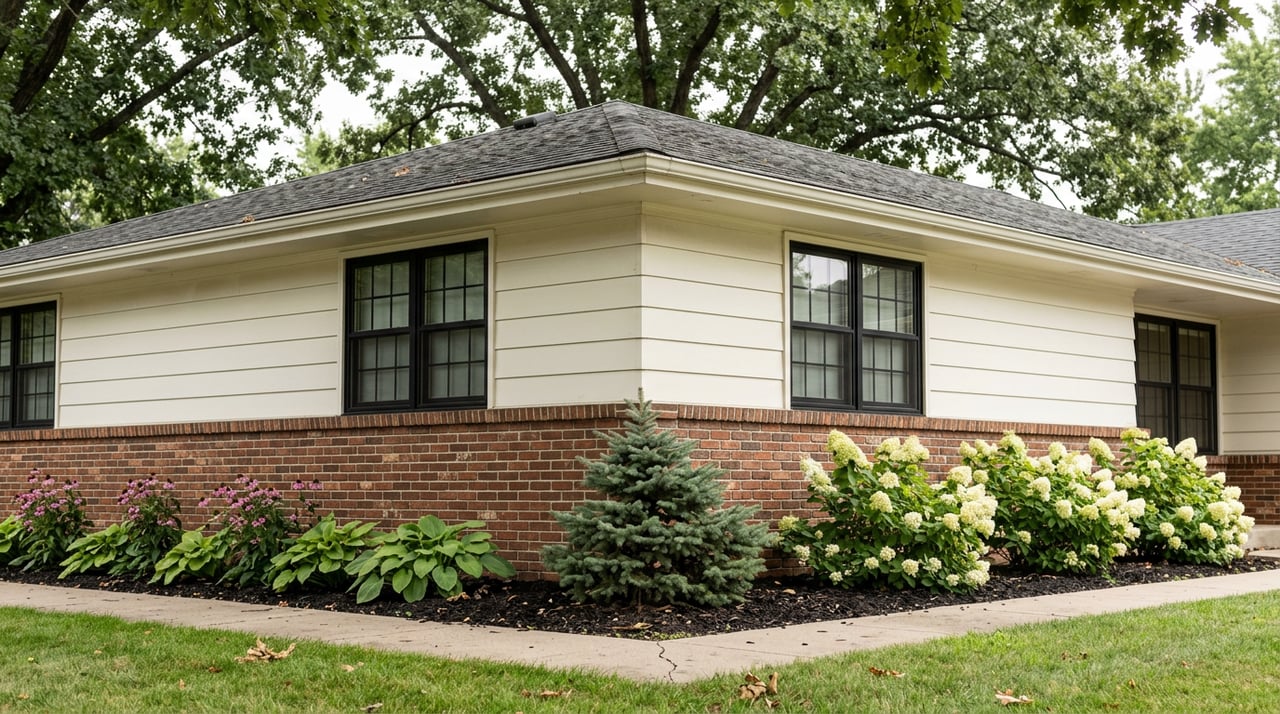
You will find many split-level and bi-level homes in older neighborhoods. A short flight up leads to the main living area and a short flight down leads to a family room or additional bedrooms. Some lots allow lower-level walkouts.
- Strengths: Often among the more affordable single-family options in established areas.
- Trade-offs: Compact stairs and semi-separated zones may not suit everyone. Finishes can be dated if not recently updated.
- Best fit: Buyers who want value and defined living areas on different levels.
Townhomes, rowhomes, and duplexes
Attached options have grown in newer master-planned areas and infill locations. Expect shared walls, smaller private yards, and HOA-managed exteriors in many communities.
- Strengths: Lower exterior maintenance and often a more affordable entry point.
- Trade-offs: Less private outdoor space and HOA rules to follow. Garage sizes can vary.
- Best fit: First-time buyers, downsizers, or investors who prefer simpler upkeep.
Walkout options
Where lots slope, you will see walkout ramblers and two-story homes. These have a finished lower level with daylight and direct access to the backyard.
- Strengths: Adds usable square footage with bright lower-level rooms and easy outdoor access.
- Trade-offs: Availability depends on lot terrain. Review drainage and grading details.
- Best fit: Buyers who want more space without building bigger on the main levels.
Modern and custom features
Many newer West Fargo builds include flexible floorplans and energy-minded systems. You will often see flex rooms for offices or guest space, large kitchen islands, mudrooms, and extra garage storage. Mechanical systems trend more efficient, with features like LED lighting, programmable thermostats, and high-efficiency furnaces or heat pumps.
- Strengths: Contemporary finishes, better performance, and layouts tailored to current lifestyles.
- Trade-offs: Newer homes can have higher assessed values, which may affect property taxes.
- Best fit: Buyers who want updated design, modern systems, and flexible spaces.
Interior layout trends
Open-concept living: Newer homes often combine kitchen, dining, and family spaces. Large islands and walk-in pantries support daily cooking and easy entertaining.
Kitchens: Older homes may have smaller or galley layouts. Newer builds lean open with adjacent informal dining. If you cook often, prioritize storage and prep space.
Mudrooms and utility spaces: Mudrooms are practical in a snowy climate. Many plans route you from garage to mudroom to kitchen to keep boots and coats out of the main spaces. Dedicated laundry rooms are common, either near upstairs bedrooms in two-stories or on the main level in ramblers.
Garages: Two or three-car attached garages are typical. The garage-to-mudroom-to-kitchen flow helps daily errands.
Bedrooms and suites: In ramblers, the primary suite is on the main floor. In two-stories, most bedrooms sit upstairs. Walk-in closets and en-suite baths are standard in newer builds. Flex rooms and bonus rooms are popular for offices or playrooms.
Basements: Full basements are common. Many owners finish them for playrooms, media spaces, or guest rooms. Check egress windows, ceiling height, and mechanical capacity if you plan to finish.
Accessibility: Single-level homes make daily life easier and can be adapted with fewer changes over time. Some newer builds offer main-floor bedrooms or design allowances for future accessibility upgrades.
Practical trade-offs to weigh
Budget and space:
- Two-story homes often deliver more finished area per dollar on smaller lots.
- Finishing a basement can be a smart way to add space. Costs vary by finish level and any needed waterproofing or drainage work.
Maintenance and lifecycle:
- Single-level living reduces stair upkeep and suits long-term accessibility. Larger yards mean more exterior maintenance.
- Newer homes may have warranties and modern systems that lower near-term maintenance.
Energy and mechanicals:
- Ask about insulation levels, window type, furnace or heat pump age, water heater, duct sealing, and programmable thermostats.
- In a cold climate, sump pumps and vapor control are important. Verify the pump’s age and service history.
Lot orientation and outdoor living:
- Sun exposure affects winter warmth and summer shade. Consider how the sun hits your main living areas and patio.
- Prevailing winds influence snow drifting and outdoor comfort.
Floodplain and drainage:
- Confirm if the lot lies in a mapped floodplain or floodway. Ask about elevation certificates, prior mitigation, and whether flood insurance is required.
- Review grading, swales, and stormwater easements that may limit landscaping changes.
Schools, commute, and amenities:
- School boundaries, park access, and proximity to shopping and major roads can influence demand and resale. Verify boundary lines with the district before you rely on them.
Resale expectations:
- Ramblers tend to draw downsizers and multi-generational buyers.
- Two-stories appeal to households that want more bedrooms. Townhomes attract first-time buyers and investors.
- Match your choice to neighborhood norms and confirm trends with recent comparable sales.
Quick touring checklist
Use this quick list during showings to compare homes with confidence:
- Year built and any major renovations. Ask about permits.
- Foundation type, sump pump presence and condition, and any past water events.
- Heating and cooling system ages, recent service records, and overall performance.
- Insulation and window types. Look for signs of air sealing quality.
- Basement details: ceiling height, egress windows, and mechanical capacity if you plan to finish.
- Lot elevation relative to local flood maps and any mitigation features.
- HOA covenants and fees, and what exterior maintenance is covered.
- Floorplan flow: mudroom placement, laundry location, garage access, and any main-floor bedroom or flex space.
How to choose your best fit
Start with how you live day to day. If you value single-level convenience and future accessibility, a rambler may be ideal. If you want maximum bedrooms and value per square foot, a two-story could be the right call. If exterior maintenance is not your priority, a townhome can simplify your routine.
Then layer in climate and lot factors. Basements, sump pumps, insulation, and drainage details matter in West Fargo. Ask focused questions, compare mechanicals, and consider how the sun and wind affect your favorite rooms and outdoor areas.
Finally, think about resale. Align with neighborhood norms when you can and check recent local sales to validate your plan. If you are choosing between two good options, pick the layout that best supports your daily life. That is what keeps a home comfortable and marketable over time.
Ready for help comparing floor plans or prepping your home for market? Reach out to Brett Dalzell for a local consult, guided tours, or a human-prepared home valuation.
FAQs
Are basements standard in West Fargo homes?
- Yes. Full basements are common due to regional climate and foundation practices. Always verify finish status, egress windows, and sump pump condition.
Which home style holds value best in West Fargo?
- Value depends more on location, lot, schools, condition, and usable square footage than style alone. Well-located two-stories and updated ramblers remain very marketable.
Is a rambler or a two-story better for resale?
- Ramblers appeal to buyers who want single-level living, while two-stories attract households needing more bedrooms. Match your choice to neighborhood norms and recent comps.
Do many West Fargo neighborhoods have HOAs?
- Newer subdivisions often include HOAs with covenants that guide exterior standards and stormwater management. Review fees, rules, and what maintenance is covered.
How do floodplains affect buying in West Fargo?
- If a lot lies in a mapped floodplain, lenders may require flood insurance and certain mitigation steps. Ask about elevation certificates, historic water events, and drainage features.