Dreaming about a place on the water in Detroit Lakes but not sure what to check before you buy? You are not alone. Lake homes come with unique rules, systems, and maintenance that can surprise first-time buyers. This checklist walks you through the essentials so you can make a confident offer and protect your investment for the long haul. Let’s dive in.
Get your financing ready
Buying a waterfront home can change your loan, insurance, and closing timeline. A little prep now helps you avoid delays later.
Choose the right loan type
- Decide if this will be your primary home, a second home, or a rental. Lenders underwrite each type differently.
- Ask your lender if waterfront risk changes your down payment, reserves, or inspection requirements.
- Confirm any conditions tied to flood risk or seasonal use, which can affect eligibility and rates.
Plan for insurance and flood questions
- Talk with your insurance provider early about coverage for docks, lifts, wind, hail, and water damage.
- Check whether flood insurance is required based on current FEMA maps. You can review zones on the FEMA Flood Map Service Center.
Confirm access and rights
Water access is not all the same. Make sure you understand exactly what you are buying.
- Verify if you have direct riparian access, a deeded access lot, or only public access.
- Ask about dock ownership and placement rights, plus any shared dock agreements.
- Review recorded easements for driveways, utilities, shoreline paths, and mooring.
- Request a recent survey or plot plan showing lot lines, structures, and any reference to the ordinary high-water level (OHWL).
Know shoreland rules and OHWL
Minnesota regulates development and use near public waters. These rules protect lakes and also shape what you can do with your property.
- Review Minnesota’s shoreland standards to understand setbacks, impervious surface limits, and vegetation rules. Start with the Minnesota DNR shoreland management overview.
- The OHWL is a legal boundary used to separate public waters from private land. It affects how docks and shoreline work are regulated.
- Some work in public waters needs permits. Learn what typically requires approval in the DNR water permits section.
Evaluate septic and well systems
Many lake homes use private septic and wells. These systems are critical to safety, comfort, and resale value.
- Septic: Order a compliance inspection through a certified inspector. Becker County Environmental Services tracks septic permitting and may hold records. Start with Becker County Planning & Zoning.
- Private wells: Test for coliform bacteria and nitrate at minimum. The Minnesota Department of Health’s private well guidance explains what to test, how often, and which labs to use.
- Ask for seller records, including pump-outs, repairs, permits, and any treatment equipment.
Inspect shoreline and structures
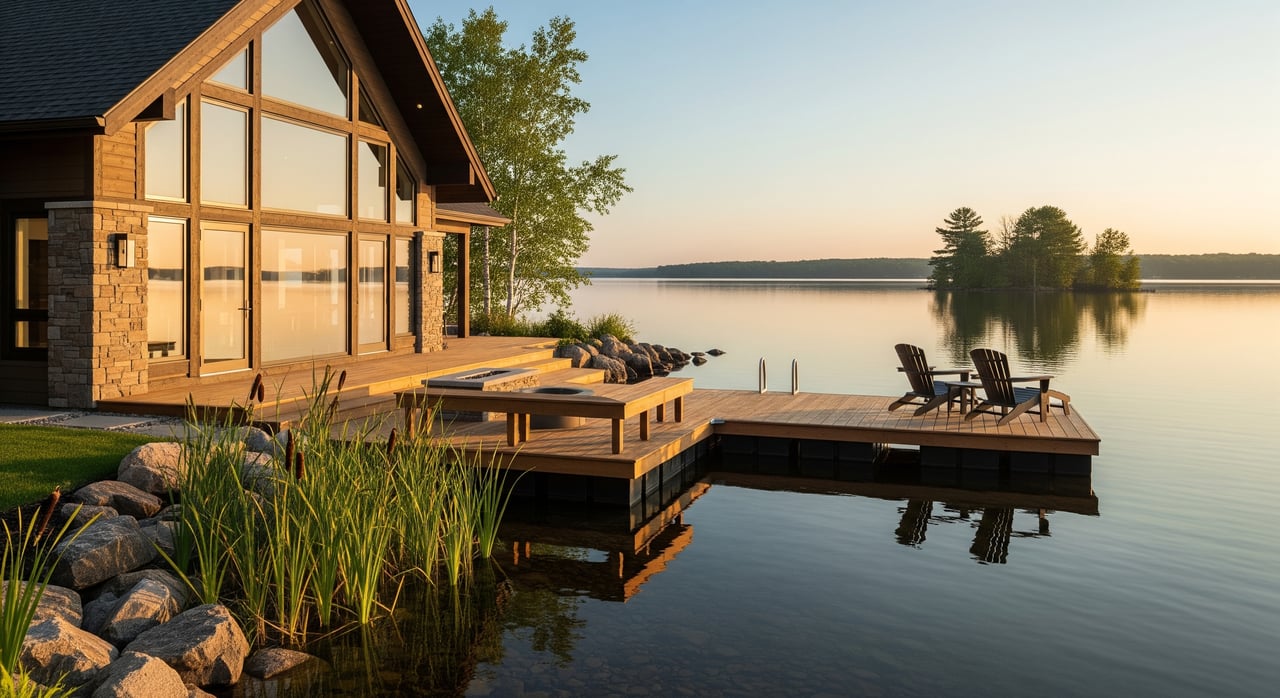
Docks, lifts, seawalls, and riprap deserve a close look.
- Inspect condition and safety of docks, boat lifts, and any boathouse. Confirm who owns them and whether permits were required.
- Check for erosion, ice damage, and structural issues in retaining walls or riprap. If you plan major changes, understand what permits could apply.
- If boundaries are unclear or structures are close to the water, consider a survey that references the OHWL.
Check environmental and health risks
Knowing the current lake health helps you plan for daily use and potential long-term value.
Water quality and algae
- Review lake-specific water quality data and clarity trends in the DNR’s Minnesota LakeFinder.
- Learn the basics of harmful algae risks from the Minnesota Pollution Control Agency.
Invasive species awareness
- See current prevention rules and best practices on the DNR aquatic invasive species page. Follow Clean, Drain, Dry when moving watercraft and gear.
Radon and indoor air
- Minnesota has elevated radon potential in many areas. Plan a radon test during inspection. The MDH radon program explains testing and mitigation.
Understand permits and rentals
Local rules can affect improvements and rental plans.
- Becker County and the City of Detroit Lakes regulate shoreland work, grading, and septic systems. Start with county contacts through Becker County Planning & Zoning.
- If you plan to rent, review local ordinances, licenses, lodging taxes, and any association rules that affect short-term rentals.
Budget for ongoing costs
Set expectations early so annual costs do not catch you by surprise.
- Dock and lift upkeep, seasonal install and removal, and shoreline stabilization maintenance.
- Septic pumping and periodic inspections; potential upgrades if rules change.
- Homeowners insurance for waterfront features, plus flood insurance if required.
- Vegetation buffers, erosion control, and any restoration to meet shoreland rules.
- Winterization for plumbing and systems if the home is not occupied year-round.
Key documents to request
Gather these items before you release contingencies.
- Survey or plot plan showing structures, shoreline, and any easements.
- Title commitment with recorded easements, access rights, and any CC&Rs.
- Seller disclosures on shoreline work, docks, septic, well, and permits.
- Septic inspection report and historical maintenance records.
- Well water test results and any treatment system documentation.
- Copies of DNR or county permits for shoreline alterations, docks, and variances.
- Lake water quality reports from LakeFinder and any lake association notes on management or AIS.
- Local short-term rental rules if you plan to rent.
Your inspection checklist
Use this list to keep your due diligence on track.
- General home inspection
- Septic system inspection and county compliance review
- Private well testing for bacteria and nitrate, with additional tests as needed
- Shoreline and dock evaluation by a qualified marine or shoreline contractor
- Radon test
- Survey showing property lines and, if relevant, the OHWL
- If heavy shore work or bulkheads are present, consider an engineering review
Move forward with confidence
Buying on the water in Detroit Lakes is about more than views. When you understand shoreland rules, septic and well systems, flood risk, and ongoing costs, you protect your time, budget, and future resale value. If you want a local guide through inspections, permits, and offer strategy, our team is here to help. Reach out to Brett Dalzell to start your lake home search with a clear plan.
FAQs
What is the OHWL and why does it matter?
- The ordinary high-water level is a legal boundary used in Minnesota to regulate work near public waters and to define where private ownership meets public lakebed; review the state’s guidance in the DNR’s shoreland and water permits resources before planning shoreline changes.
Do I need a septic inspection for a Detroit Lakes property?
- Yes, a septic compliance inspection is strongly recommended for lake homes and may be required in some transactions; contact Becker County Planning & Zoning for septic permitting records and local requirements.
How do I check flood risk for a lakeshore home?
- Review your address and parcel on the FEMA Flood Map Service Center to see current flood zone designations and discuss coverage with your insurer and lender.
Where can I find water quality info for Detroit Lakes?
- Start with Minnesota LakeFinder for lake-specific clarity and monitoring data, and check MPCA guidance on harmful algae to understand seasonal conditions.
What are the rules on aquatic invasive species when I move a boat?
- Minnesota requires prevention steps like Clean, Drain, Dry to stop the spread of AIS; see the DNR AIS page for current rules, decontamination details, and any lake-specific restrictions.