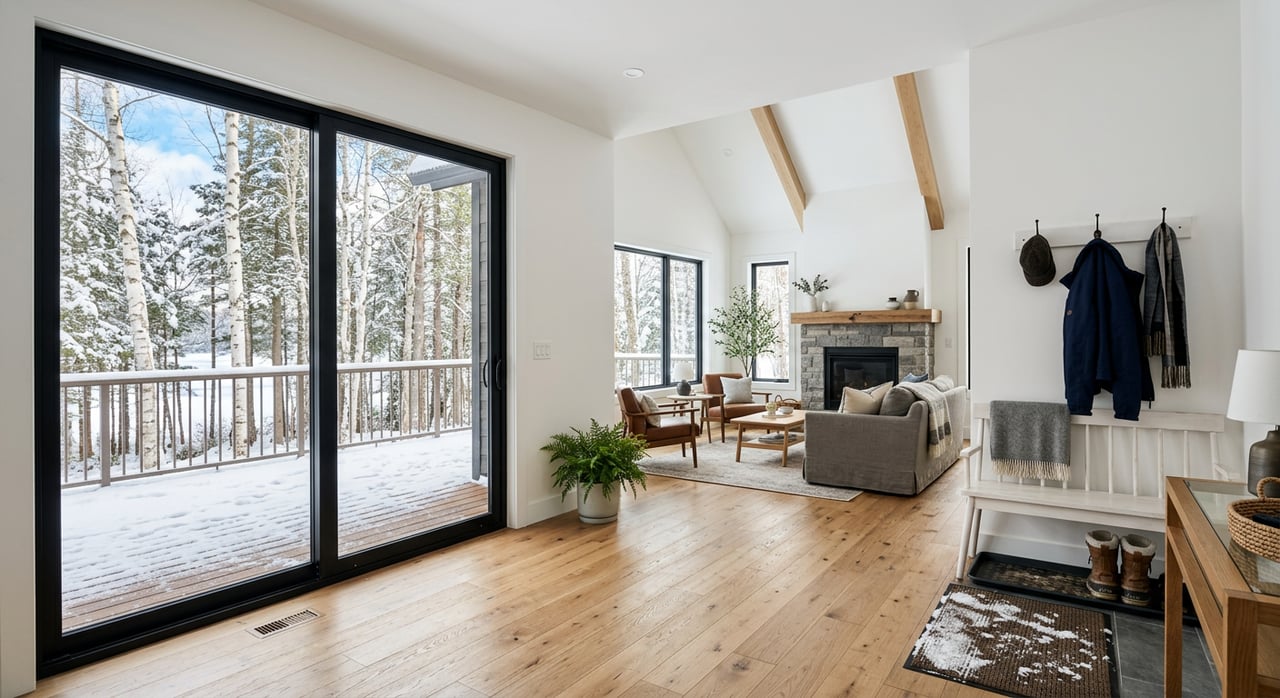
Waking up to sunrise on the water in July is easy to picture. Doing the same in January is just as possible in Detroit Lakes when you plan for ice, snow, utilities, and shoreline care. This guide gives you a clear, season-by-season look at what year-round lake living really takes, plus the permits, services, and buying considerations to keep on your radar. You will walk away with practical checklists and local links to help you decide with confidence. Let’s dive in.
Year-round living basics in Detroit Lakes
Detroit Lake sits inside the City of Detroit Lakes and the Pelican River Watershed District, with Big Detroit and Little Detroit basins and multiple public accesses. It is an active urban lake with marinas, beaches, and steady use through the warm months. For lake health and local programs, review the Pelican River Watershed District’s overview of Detroit Lake.
Ice-in usually arrives in late November, and median ice-out often lands in late April. Local timing can swing by weeks each year, so residents watch reports closely. For example, ice-out was noted earlier than usual one recent spring, as covered by the local paper’s ice-out update. You can enjoy small-city convenience right in town, with Fargo roughly 50 to 60 minutes by car and Minneapolis about three hours.
Seasonal rhythms and routines
Spring: from ice-out to launch
When the lake opens, you inspect docks and lifts, check shorelines after freeze and thaw, and schedule marina or lift activation. It is smart to service motors, clean gutters, and confirm septic and well access after winter. Fishing opener activity ramps up in May, and you will see emphasis on clean-in, clean-out practices to limit aquatic invasive species, guided by the watershed district’s Detroit Lake resources.
Summer: peak use and stewardship
Expect more boat traffic, visitors at public accesses, and full swing lakeside routines. You will mow, manage stormwater, and protect the shore with vegetation buffers instead of hard edges where possible. Inside city limits, municipal services run as usual for water, sewer, and electric, which simplifies daily life.
Fall: prep for freeze
You will remove or winterize docks and lifts, service HVAC, insulate exposed plumbing, and schedule septic pumping as recommended. Dock removal dates are driven by local guidance more than a fixed calendar. Before any shore or in-water project, review Minnesota DNR’s “Do I need a permit?” guidance on water permits.
Winter: heat, access and backup
Heating and pipe insulation come first. City, county, or township plows manage public roads, while private drives and some roads are your responsibility or handled through an association. Many residents keep a backup generator, a stocked pantry, and confirmed fuel delivery contacts so storms do not disrupt essentials for long.
Utilities, access and services
Many lake homes inside the city limits connect to Detroit Lakes Public Utilities for electric, water, and sewer. Confirm coverage early using the city’s utilities page. Outside city limits, service may come from a co-op or other provider, and some homes rely on private wells and septic systems.
Heating varies by address. You might see natural gas where lines exist, or propane, fuel oil, electric, or wood. Budget for higher winter usage and potential after-hours delivery fees in rural settings. Broadband can be fiber, cable/DSL, or fixed wireless, but real availability is address-specific, so ask sellers which provider serves the property and verify speeds.
Private wells and septic systems are common on the lakes. A septic compliance inspection and maintenance records are essential for due diligence, and a well water test for bacteria and nitrates is a smart step before purchase. Minnesota’s SSTS program explains key requirements in the University of Minnesota’s SSTS FAQ.
For health care, you have a local clinic and hospital in town at Essentia Health St. Mary’s in Detroit Lakes. Families can enroll in local schools; confirm school assignment by parcel address with the district.
Rules, permits and shoreline care
Shoreland rules combine state, county, city, and watershed oversight. Minnesota’s shoreland standards set the floor, while Becker County and the City of Detroit Lakes ordinances can be more specific. The DNR outlines when a project needs a Public Waters Work Permit on its main permit page and offers a practical “Do I need a permit?” guide for water permits. Local shoreland regulations are also summarized by the Becker County Coalition of Lake Associations’ shoreland management page.
Stewardship matters for both property value and lake health. The highest-impact actions are simple: maintain vegetated buffers, limit lawn fertilizer near the shore, and keep your septic system in good working order. The Pelican River Watershed District monitors water quality and supports restoration projects that improve long-term lake conditions.
Insurance needs are property-specific. Detroit Lakes participates in the National Flood Insurance Program, and FEMA mapping influences both coverage and building choices. Review local hazard planning and speak with your insurer using the county’s hazard mitigation plan as a reference point.
Buying to live here full time
If you plan to use the home as your primary residence, loan options and terms may differ from second-home or investment loans. Conventional underwriting has clear rules for primary and second homes, including distance and reserve guidelines, so discuss occupancy up front and review lender criteria. For a baseline on application disclosures and categories, see Fannie Mae’s Form 1003 instructions.
Zoning and use also matter. Confirm shoreland status, any floodplain overlays, recorded easements, and whether a planned unit development or marina rights affect your parcel. Local rules and best practices are summarized in the county coalition’s shoreland management resources.
For resale, you gain an edge with year-round features. Insulated and winterized structures, reliable road access, municipal utilities where available, documented well and septic care, and high-speed internet tend to boost marketability. On the other hand, difficult winter access, a non-compliant septic system, or unresolved shoreland issues can reduce buyer confidence.
Quick checklists
Buyer due diligence
- Verify if the parcel is inside the City of Detroit Lakes or unincorporated Becker County, then confirm utility providers and who plows the road and driveway.
- Ask for septic compliance inspection, pumping records, and any design or expansion notes.
- Order a private well test for bacteria and nitrates, and request well construction details if available.
- Gather prior permits for docks, riprap, retaining walls, or shoreline work, and confirm current compliance before renovating.
- Check FEMA flood mapping and get quotes for homeowners, wind, and flood coverage.
- Confirm mailbox and parcel delivery arrangements, and identify snow removal providers or HOA contacts in advance.
Seasonal maintenance
- Spring: service docks, lifts, and motors; check septic risers and well; clean up shore debris; plan mowing.
- Summer: manage runoff, avoid fertilizer near the shore, and maintain buffer vegetation; report aquatic invasive species if you see them.
- Fall: remove or winterize docks and lifts; insulate pipes; service the furnace; schedule winter fuel.
- Winter: keep drives and walkways clear; test the generator; check heating systems regularly and track fuel levels.
Is year-round lake life a fit?
If you want daily access to the water and small-city services, and you are ready for winter prep and seasonal routines, Detroit Lakes makes year-round lakeshore living straightforward. You get marinas and beaches in summer, quiet shoreline beauty in winter, and the peace of mind that comes from planning well. With the right property and a clear checklist, the lifestyle feels as practical as it is rewarding.
Ready to explore lake homes you can live in all year? Reach out to Brett Dalzell for local guidance, property vetting, and a step-by-step plan from search to close.
FAQs
Do you need a DNR permit to install a dock on Detroit Lake?
- Many small residential docks do not need a DNR public waters work permit, but local shoreland and watershed rules still apply, so check both state guidance and local offices before you build.
How does winter road access work for lake homes near Detroit Lakes?
- Public roads are plowed by the city, county, or township, while private roads and driveways are usually the owner’s or HOA’s responsibility, so plan for a contractor or HOA arrangement.
What should you budget beyond the mortgage for year-round lake living?
- Expect winter fuel and higher heating, driveway plowing, septic pumping and potential repairs, dock removal and storage, shoreline maintenance, and possibly higher home, wind, and flood insurance.
How does financing change if you convert a cabin to your primary home?
- If you meet occupancy and program rules, a primary residence loan can offer better terms than second-home financing, so talk with your lender early to classify the property correctly.
Are Detroit Lakes schools available to year-round lake residents?
- Yes, year-round residents enroll like in-town households; always confirm school assignment by the specific parcel address with the district.