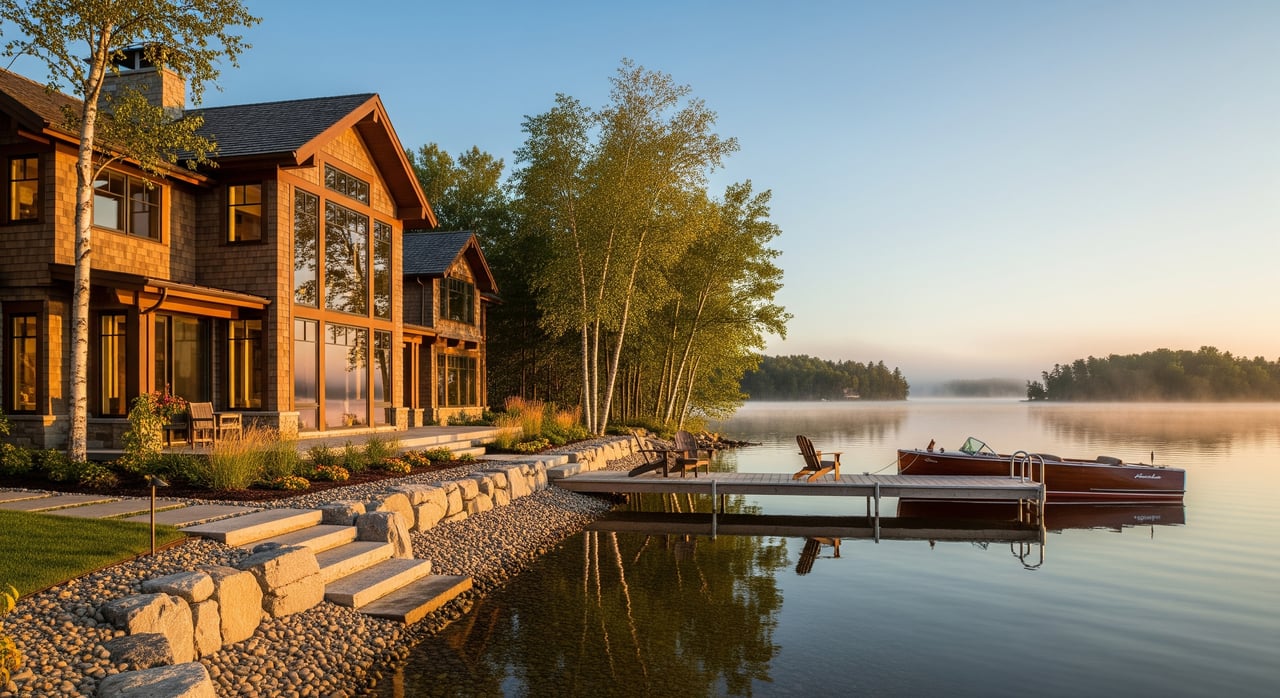
Buying in Detroit Lakes can move fast, especially if you have your eye on a lakeshore home. Then the appraisal lands below your contract price and your stomach drops. You are not alone. Appraisal gaps are common in our area’s mix of waterfront, seasonal, and one-of-a-kind properties.
In this guide, you will learn what an appraisal gap is, why it happens more often around Detroit Lakes, how lenders look at it, and exactly what you can do before and after a low valuation. You will also get a practical checklist you can use with your lender and agent. Let’s dive in.
What is an appraisal gap?
An appraisal gap happens when the appraised value is lower than your agreed purchase price. Lenders base your loan on the lower number. If the appraisal is short, the lender will not fund the difference. That gap must be covered by one of the parties or the deal needs to change.
A quick example helps: If you offered 500,000 on a lake home and it appraises at 470,000, your loan will be based on 470,000. Unless you renegotiate, you may need to bring more cash, request concessions, or use an appraisal contingency if your contract allows it.
Why this matters: a short appraisal can affect your cash to close, your loan terms, and your ability to move forward on schedule. It is not a reflection of your credit strength. It is a valuation question tied to recent comparable sales and property condition.
How appraisals work in Minnesota
Who completes the appraisal
Licensed or certified appraisers complete valuations under national standards known as USPAP. In Minnesota, appraisers are regulated by the Minnesota Department of Commerce. Appraisers analyze recent comparable sales, condition, lot and shoreline features, and anything that affects marketability.
How lenders use appraisals
Your lender orders the appraisal to confirm the property is sufficient collateral. If the appraised value is below the contract price, underwriting is based on the appraised value. That is why the gap becomes a buyer and seller negotiation point.
Loan types and waivers
- Conventional loans often allow you to bring extra cash to cover a gap. In some cases, automated systems grant appraisal waivers, but availability depends on your profile and property type.
- FHA and VA loans underwrite to appraised value and include minimum property standards. If you want to keep your contract price with these programs, you usually need to cover any gap in cash.
- Unique or waterfront homes are less likely to qualify for appraisal waivers.
Why Detroit Lakes sees more appraisal gaps
Waterfront and seasonal home nuances
Lakeside properties vary widely. Public access versus private, water quality, shoreline and dock improvements, lot slope, and boat access all influence value. Those details are hard to match exactly with recent sales, so adjustments can cause more valuation variance.
Limited comparables and seasonal swings
True waterfront is limited. Recent, highly similar sales may not exist, especially near the same lake or shoreline. Seasonal demand can push prices quickly, while closed sales lag behind, which can leave appraisals short of current bidding activity.
Condition and systems
Older cabins, seasonal occupancy, or deferred maintenance can weigh on appraised value. Septic and well systems, permits, and code items can also influence value and timing.
Time lag in fast markets
If the market is moving, an appraiser may rely on older sales. That can understate current pricing, especially on renovated or rare lots.
Plan ahead before you write an offer
Set your risk ceiling in cash
Decide how much extra cash you can bring if a gap appears. Set a hard ceiling before you bid. This helps you choose the right loan program and contingency strategy.
Sharpen your loan and offer strategy
- Get fully preapproved and talk with your lender about how your program handles appraisal gaps.
- With your agent, study realistic comparables for the specific lake or neighborhood.
- Choose clauses that fit your risk tolerance:
- Appraisal contingency. Lets you renegotiate or cancel if the appraisal is materially low.
- Appraisal gap coverage. You commit to pay a set dollar amount or percentage above appraised value, up to a cap.
- Escalation clause. Raises your offer to match competing bids up to a limit. It can still create a gap if comps lag.
Consider reviewing any proposed clause with your agent or an attorney before you waive protections.
Pre-offer prep for higher-priced or waterfront homes
- Ask the seller for recent comparable sales they feel support the price.
- Gather records for upgrades, permits, shoreline improvements, and surveys.
- If feasible, explore a broker price opinion or consult an appraiser before bidding to reduce surprises.
If the appraisal comes in low
Step 1: Review the report carefully
Sit down with your agent and lender. Confirm the square footage, bedroom and bathroom counts, condition notes, and upgrades are accurate. Look at which comps were selected and whether better local sales exist.
Step 2: Use your options
- Renegotiate the price with the seller. Many sellers prefer to adjust rather than restart the market clock.
- Bring the difference in cash if you can and want to keep the contract terms.
- Request seller concessions or credits to cover part of the gap, subject to your loan program limits.
- Ask your lender for a reconsideration of value. Provide additional comps or corrections. Results vary by lender policy.
- Order a second appraisal if your lender and contract allow it. The result may be higher, lower, or the same.
- Cancel under your appraisal contingency if timelines allow.
- Change loan type only if feasible and approved. This is uncommon mid-contract and can delay closing.
Special note for lake and unique properties
Help the appraiser and lender understand the value story. Through your agent, share upgrades, shoreline permits, dock or lift details, surveys, and truly comparable waterfront sales. Strong documentation matters during a reconsideration request.
Negotiation tips that work here
Use a capped appraisal-gap clause
If competition is strong, a capped gap clause can make your offer more attractive while limiting your exposure. For example, you might commit to cover up to a set dollar amount above appraised value.
Align timelines with reality
Set clear appraisal contingency deadlines that leave time to review, request a reconsideration, or adjust terms. Make sure earnest money and notice dates are in writing.
Understand concessions limits
Seller credits can help bridge small gaps, but they are limited by loan program rules and seller preference. Confirm what your financing allows before you rely on credits.
Market value vs appraised value
Market value is what a willing buyer and seller agree to today. Appraised value is a lender-facing opinion based on recent sales and condition. In Detroit Lakes, those can diverge on lakeshore and seasonal homes because close comparables are scarce and attributes vary widely.
Understanding this difference keeps expectations realistic and prepares you to act quickly if numbers do not align.
Buyer checklist
Before you write an offer
- Confirm loan program and full preapproval. Ask how appraisals are handled for your loan type.
- Decide the maximum extra cash you can bring if the appraisal is low.
- With your agent, prepare a local comp package and offer plan, including an appraisal contingency, a capped appraisal gap, or an escalation clause if needed.
At contract
- Calendar appraisal contingency deadlines and keep copies of disclosures and permits.
- Provide the appraiser and lender, through your agent, with a packet of upgrades, comparable sales, and local market evidence.
If the appraisal is low
- Review the report immediately with your agent and lender to correct errors and evaluate comps.
- Choose within deadlines whether to renegotiate, bring cash, request reconsideration, order a second appraisal, or cancel under your contingency.
After closing
- Save the appraisal and comp data for future tax appeals, refinancing, or resale decisions.
Final thoughts and local help
Appraisal gaps are manageable when you plan ahead. In Detroit Lakes and Becker County, the key is to pair realistic comparables with a clear cash ceiling and a contract strategy that fits your comfort level. If a low valuation hits, move fast, check the report, and use the path that protects your goals.
If you want help building an offer strategy for a lake home or year-round property, our team is ready to guide you from preapproval to closing. Connect with Brett Dalzell for local insight, comps that match your target lake, and a step-by-step plan to navigate appraisal risk.
FAQs
What is an appraisal gap in Detroit Lakes?
- It is the difference between your contract price and the appraised value, and lenders base your loan on the lower number, which can create extra cash needs.
Why do lake homes appraise low more often?
- True waterfront has fewer close comparables and many unique features, so adjustments can lead to more variance and occasional short appraisals.
How do FHA and VA appraisals affect me?
- These loans underwrite to appraised value and include property standards, so if you keep your price, you typically need to cover any gap in cash.
Can I get an appraisal waiver in Becker County?
- Sometimes, but availability depends on automated underwriting, your profile, and property type. Unique or waterfront homes rarely qualify.
What are my options after a low appraisal?
- You can renegotiate, bring cash, seek concessions, request a reconsideration of value, order a second appraisal, or cancel if your contingency allows.
Will I lose earnest money if the appraisal is low?
- Not if you have an appraisal contingency and follow the notice timelines. Without one, it depends on your contract terms.