Should you put your Grand Forks home on the market now, in the heart of winter, or hold out for spring? It is a common dilemma, and the right answer depends on your timing needs, the property type, and local rhythms like UND, Grand Forks AFB, and spring flood season. You want a strong sale price, smooth showings, and the fewest surprises. This guide walks you through what changes between winter and spring in Grand Forks, plus simple steps to prep, price, and market your home well in either season. Let’s dive in.
How seasonality works in Grand Forks
Grand Forks follows a familiar pattern: buyer activity and new listings generally rise in spring and early summer, then slow late fall through winter. Winter brings fewer active buyers overall, but less competition. Spring brings higher traffic and more buyer types, but also more listings competing for attention.
Local nuances matter. Weather affects curb appeal and showings, the Red River flood season shapes perception each spring, and UND and military transfers introduce off-cycle demand. Your best timing blends these factors with your personal goals.
Winter listing: key pros and cons
Winter can work well if you want to move sooner, if your home shows beautifully inside, or if you are targeting buyers with fixed timelines.
Pros
- Less competing inventory, so your home may get more attention.
- Buyers active in winter are often motivated by job transfers or life changes.
- Potentially faster negotiations if a committed buyer needs to move quickly.
Cons
- Smaller buyer pool overall.
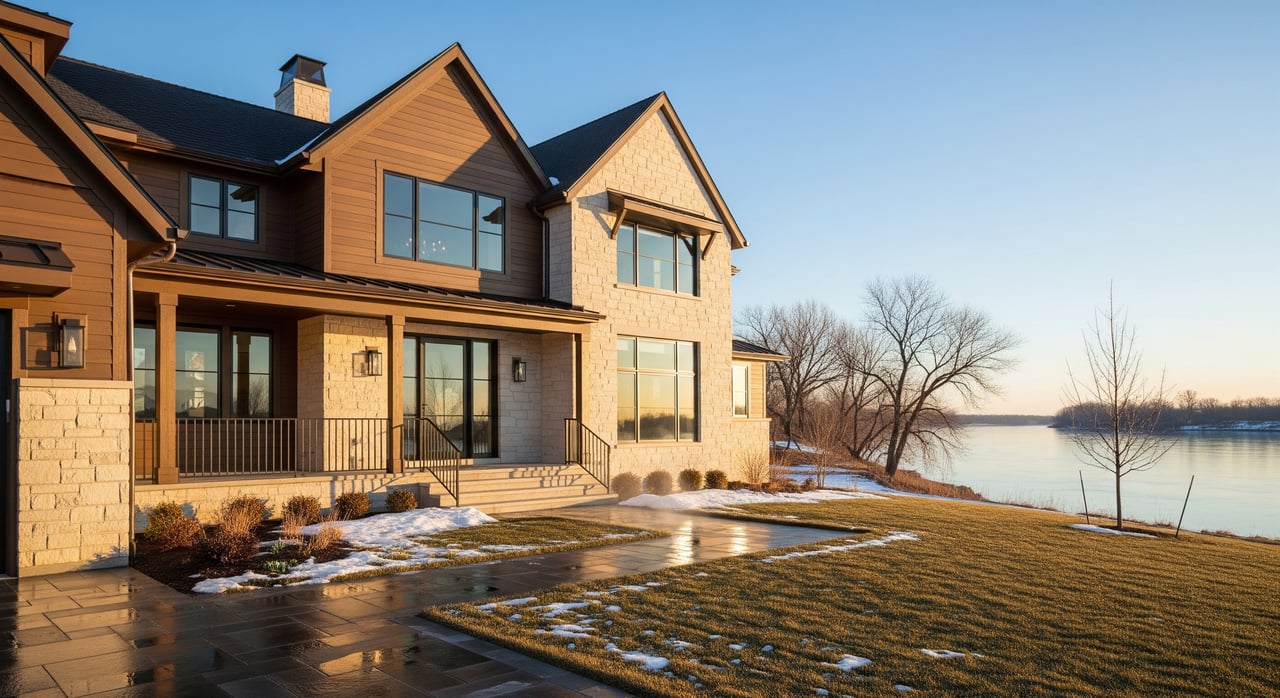
- Curb appeal can be limited by snow and early sunsets.
- Photos and marketing rely more on interior presentation.
Winter prep checklist
- Snow and ice plan: schedule regular snow removal and de-icing for walkways and the driveway before every showing.
- Lighting: add or check exterior lights, and use warm interior lighting for photos and evening showings.
- Comfort and maintenance: service the furnace and plumbing; keep receipts ready to reassure buyers.
- Staging focus: highlight cozy features, energy efficiency, insulation, and any fireplace or sunny rooms.
- Photography strategy: invest in high-quality interiors, plus twilight shots; consider virtual staging if exterior looks flat.
- Pricing context: compare to winter-season comps and expect a narrower, but more serious, buyer pool.
- Flexible showings: accommodate evenings and weekends to match winter schedules.
- Pre-list inspection: consider it to reduce contingencies and speed up negotiations.
Spring listing: key pros and cons
Spring is the traditional sweet spot for broad demand. It suits sellers who can wait, want to leverage landscaping, and aim to attract a wider mix of buyers.
Pros
- Higher buyer traffic and more buyer profiles, including many local families and move-up buyers.
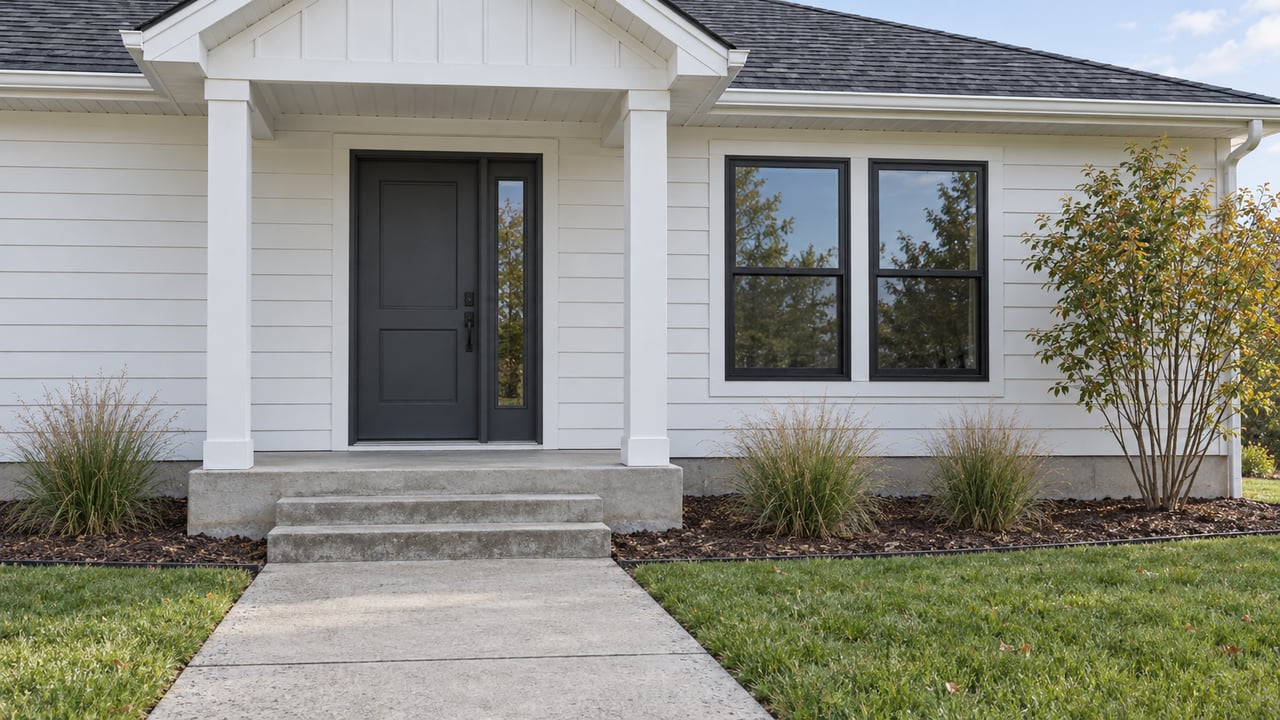
- Better curb appeal with visible lawn, cleaned-up beds, and fresh exterior photos.
- In many markets, shorter days on market and stronger pricing patterns.
Cons
- More competing listings launching at once.
- You must move quickly on staging, photos, and pricing to stand out.
- Competitive pricing pressure when similar homes list nearby at the same time.
Spring prep checklist
- Curb appeal: clean beds, prune shrubs, refresh mulch, and add affordable seasonal plants.
- Exterior touch-ups: paint, caulk, minor repairs, and power-wash where needed.
- Photo plan: schedule exterior and twilight photos for a clear, sunny day; consider drone if appropriate.
- Launch timing: go live early enough in the spring cycle to catch peak weekend activity.
- Open house calendar: list late in the week to concentrate weekend showings.
- Competing listing scan: monitor nearby actives and adjust pricing or incentives quickly.
Who buys when in Grand Forks
Different buyer groups lean into different seasons. Understanding who is likely active can help tailor your message.
- Local family buyers: Often shop in spring and early summer to align with the school calendar and moving logistics.
- UND-related moves: Academic hires and student families can create demand outside the spring peak, especially for smaller single-family homes or rentals.
- Grand Forks AFB and other relocating professionals: Transfer dates can drive year-round moves, including winter.
- Investors and out-of-area buyers: Tend to be pragmatic and can be active any month; winter may present less competition.
Weather, flood season, and perception
Winter weather affects showing logistics, parking, and exterior photography. Plan for snow management, lighting, and clear path access. In spring, the Red River thaw and flood headlines can influence buyer perception. Clear disclosures, documentation of any flood mitigation, and insurance information help keep conversations focused on facts. Many spring buyers plan for this season and evaluate risk alongside location and value.
Pricing and negotiation by season
Your pricing strategy should reflect both seasonality and live market data.
- Winter strategy: Price competitively against recent winter sales. Emphasize maintenance records and operating efficiency. Be open to targeted concessions, such as closing cost help or a home warranty, to widen buyer interest.
- Spring strategy: Price to stand out among a larger group of active comps. If inventory is tight, a slightly conservative list price can spark early activity. Use a short, focused marketing window to encourage multiple strong offers when conditions allow.
Marketing tactics tailored to the season
Strong, season-appropriate marketing pays off in both winter and spring.
- Winter emphasis: Interior lifestyle, energy efficiency, sun exposure, heated garage, updated HVAC, and quick-close readiness. Offer video, 3D tours, and floor plans to minimize repeat visits in bad weather.
- Spring emphasis: Outdoor living, deck and yard utility, storage and garage space, neighborhood walkability, and proximity to UND or major employers. Showcase lush landscaping and exterior amenities.
What local data to check before you decide
Before you pick a launch month, compare key metrics in the Grand Forks MLS across the same months year over year. Focus on:
- New listings per month.
- Pending sales and closed sales per month.
- Median sale price and list-to-sale price ratio.
- Days on market and months of inventory.
- Price per square foot and share of sales above list.
Look at 12-month rolling trends in addition to monthly snapshots. Compare Jan–Mar versus Apr–Jun over multiple years to see how seasonality plays out locally. Watch for outliers caused by one-off large transactions.
Timeline: when to start and launch
If you plan ahead, you can be ready for either season without stress.
- Immediate, 2–4 weeks: Declutter, deep clean, minor repairs, HVAC service, and schedule photography.
- Short term, 4–8 weeks: Landscaping and exterior touch-ups in spring; paint and staging in both seasons; optional pre-inspection.
- Launch: Many sellers list mid-week to maximize weekend showings. Confirm local patterns with current MLS analytics.
Decision framework for Grand Forks sellers
Use your goals to guide your timeline.
- If speed matters: List in the season that fits your schedule and price competitively. Winter can work well with motivated buyers and less competition. Spring can deliver more traffic quickly.
- If maximizing price is the priority and you can wait: Spring often offers stronger curb appeal and a wider buyer pool for single-family homes. If you are listing a rental, condo, or a property likely to attract relocations, winter can be strategic due to reduced competition.
- If you are near UND or have features that suit military transfers: You may benefit from listing any time, aligning with relocation cycles and marketing to those timelines.
Next steps: tailor your plan to your block
Every home and timeline is unique. The smartest move is to pair the guidance above with a short, data-backed pricing review that compares this winter window against your neighborhood’s typical spring activity. Ask for a same-season comp set, recent list-to-sale ratios, and a plan for staging and photography that fits your launch month.
When you are ready, let’s map out your ideal timeline, prep list, and pricing strategy so you can move with confidence.
Ready to decide between winter or spring? Talk with Brett Dalzell for a local, data-backed plan and a clear path to market. Get Your Home's Value and a step-by-step prep checklist tailored to your home and neighborhood.
FAQs
Will I get a higher price listing in spring in Grand Forks?
- Many markets show stronger pricing in spring due to higher demand and curb appeal; confirm locally by comparing Jan–Mar versus Apr–Jun metrics in the Grand Forks MLS over recent years.
Do winter conditions hurt showings and photos?
- Not if you prepare: keep walks clear, schedule professional interior and twilight photos, and use warm lighting and virtual tours to showcase the home.
Should I avoid listing in spring because of flood headlines?
- Not necessarily; provide clear disclosures, flood mitigation details, and insurance information so buyers can evaluate the property on facts, price, and location.
Can I do a pre-listing inspection in winter?
- Yes; it can reduce contingencies and speed negotiations, especially if it covers HVAC, plumbing, insulation, and recent maintenance.
Who tends to buy homes in winter around Grand Forks?
- Relocating professionals, military transfers, investors, and buyers with firm deadlines are often active, which can mean motivated, ready-to-move prospects.
When should I launch to capture spring demand?
- Aim to be live early in the spring cycle and consider a mid-week list date to concentrate weekend showings and early interest.