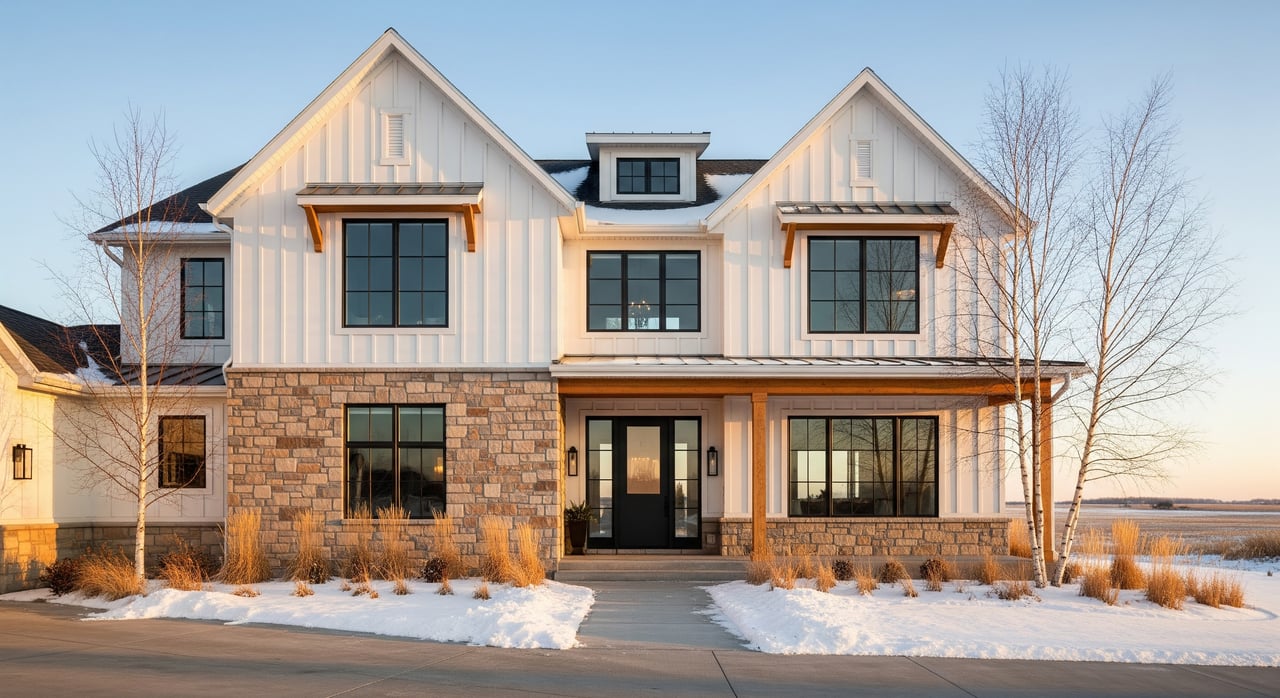
Thinking about listing your Fargo home and wondering if a pre-listing inspection is worth it? You are not alone. In our climate, roofs, basements, drainage, and mechanical systems take a beating, and surprises can derail a sale. The short answer: a pre-listing inspection is often useful in Fargo, but the right choice depends on your home’s age and condition, your risk tolerance, the market, and whether you plan to repair or sell as-is. This guide walks you through what to expect, local factors, costs, and how to decide. Let’s dive in.
What a pre-listing inspection is
A pre-listing inspection is a home inspection you order before your property goes on the market. A certified inspector evaluates major systems and safety items, then delivers a written report with photos and recommendations.
How it helps you:
- You can fix issues or disclose them upfront.
- You can price more accurately and set clear expectations.
- You reduce the chance of a buyer backing out over surprise defects.
The report can include optional tests, like radon or a sewer scope, based on your home’s age and location.
Why it matters in Fargo
Climate, roofs, and attics
Cold winters and freeze–thaw cycles can stress roofs, gutters, and attics. Ice dams, poor ventilation, and heavy snow can cause hidden damage that an inspection can flag before buyers do.
Basements, drainage, and flooding
Our region’s snowmelt and rains highlight grading and drainage problems. Many Fargo homes have basements, which means sump pump performance, interior drainage, and signs of moisture deserve a close look. With the Red River and local flood history, flood risk and past water intrusion are important to address or disclose.
Radon and indoor air
Radon is a common Midwest concern. A simple radon test is a frequent add-on that can reassure buyers or guide mitigation if levels are elevated.
Older materials and sewer lines
In older Fargo neighborhoods, inspectors often look for aging electrical panels or older wiring, and they may recommend a sewer scope if clay lines or large trees are present. Targeted testing for lead-based paint or asbestos can be considered for older homes when appropriate.
Recommended inspections and add-ons
Start with a generalist home inspection that covers structure, roof, attic, HVAC, plumbing, electrical, foundation, visible moisture, and safety items. Then consider Fargo-focused add-ons:
- Sump pump and backup system check
- Sewer scope for older homes or tree-lined lots
- Radon test, short term or continuous monitor
- Mold or indoor air quality testing if dampness or odors are present
- Chimney and fireplace inspection where applicable
- Roof inspection or certification when shingles show age or after harsh winters
- HVAC service, plus boiler or fireplace checks for older equipment
Timing, cost, and who to hire
Order your inspection early enough to act on what you learn. Two to four weeks before listing is common, and start sooner if you plan significant repairs.
Typical costs vary by size and age of the home:
- General home inspection: low to mid hundreds of dollars
- Radon test: about 100 to 200 dollars
- Sewer scope: about 150 to 400 dollars
- Specialized evaluations for roof, HVAC, or chimney vary by contractor
Hire certified home inspectors with Fargo or Moorhead experience. Ask for proof of insurance, credentials, sample reports, references, and turn time for the written report. For specialized tests, use licensed professionals.
Pros and cons for sellers
Pros
- More accurate pricing and clearer negotiations
- Time to fix safety and financing hurdles before launch
- Lower chance of last-minute deal fallout
- Signals transparency to buyers, which can build confidence
Cons
- Upfront cost, plus possible repair expenses
- A detailed report can give buyers leverage in negotiations
- You may have an obligation to disclose issues revealed by the inspection
- In a very strong seller’s market, the impact can be smaller
Will it help you in this market?
It often helps if your home is older, has a basement with prior moisture concerns, or shows roof or mechanical wear. If you want to avoid renegotiations during escrow, a pre-listing inspection can reduce surprises. If the market is particularly hot and you plan to sell as-is, you might skip it and lean on pricing and disclosures, especially if the home is newer and well maintained.
Decision checklist for Fargo sellers
- Age and condition: Is the roof aging, basement damp, or equipment older?
- Known issues: Do you suspect moisture, radon, or sewer line concerns?
- Market: Is it a balanced or buyer-leaning market where transparency helps?
- Strategy: Will you repair, offer credits, or price accordingly?
- Timeline: Do you have 2 to 4 weeks to inspect and address items?
- Risk tolerance: Would you rather resolve issues now or negotiate later?
Repair priorities that pay off
Focus on items that affect safety, financing, and buyer confidence:
- Safety hazards like exposed wiring or gas leaks
- Active roof leaks or major structural concerns
- Non-functioning HVAC in season, especially heat in winter
- Significant moisture issues, visible mold, or sump pump failures
Lower-priority items can be negotiated or credited:
- Cosmetic repairs and typical wear
- Minor deferred maintenance expected for the home’s age
Disclosures and risk management
Many jurisdictions require sellers to disclose known material defects. A pre-listing inspection does not remove your disclosure duties, but it can help you identify and document issues. If the home has had flood damage, basement water, or mitigation systems like sump pumps or backflow valves, plan to disclose those facts. Discuss your disclosure obligations and risk tolerance with your real estate agent and a real estate attorney. Keeping receipts, permits, and warranties for any repairs helps streamline buyer due diligence and financing.
How to get started
- Request quotes and availability from local certified inspectors. Ask which add-ons they recommend for your property type and neighborhood.
- Schedule the inspection 2 to 4 weeks before listing so you have time for any fixes.
- Prioritize safety and financing items, and gather receipts and warranties.
- Set your pricing and negotiation plan using the report. Decide which items to fix now and which to credit at closing.
When you want a clear plan for pricing, repairs, and disclosures that fits the Fargo market, reach out to our team. We can help you weigh your options and coordinate the steps so you launch with confidence. Start the conversation with Brett Dalzell.
FAQs
What is a pre-listing inspection for Fargo sellers?
- It is a seller-ordered home inspection done before listing to identify defects, safety items, and maintenance issues so you can repair or disclose them upfront.
How much does a pre-listing inspection cost in Fargo?
- General inspections are typically in the low to mid hundreds of dollars, with add-ons like radon about 100 to 200 dollars and sewer scopes about 150 to 400 dollars.
Should I fix everything the inspector finds?
- No, prioritize safety, items that affect financing, and repairs that boost marketability, then consider credits or price adjustments for the rest.
Do I have to share the inspection report with buyers in North Dakota?
- Consult your agent and attorney, but many sellers share the report with disclosures since transparency reduces disputes later.
Will a pre-listing inspection speed up my sale in Fargo?
- Often yes, because it lowers the odds of surprise issues, clarifies pricing and repair decisions, and builds buyer confidence early.
Is a pre-listing inspection worth it in a strong seller’s market?
- It depends on your risk tolerance; sellers sometimes skip it in hot markets, but it is still useful for older homes or properties with known concerns.
Which add-ons matter most for Fargo homes?
- Radon testing, a sump pump and drainage check, a sewer scope for older lines, and roof or HVAC evaluations are common high-value options.