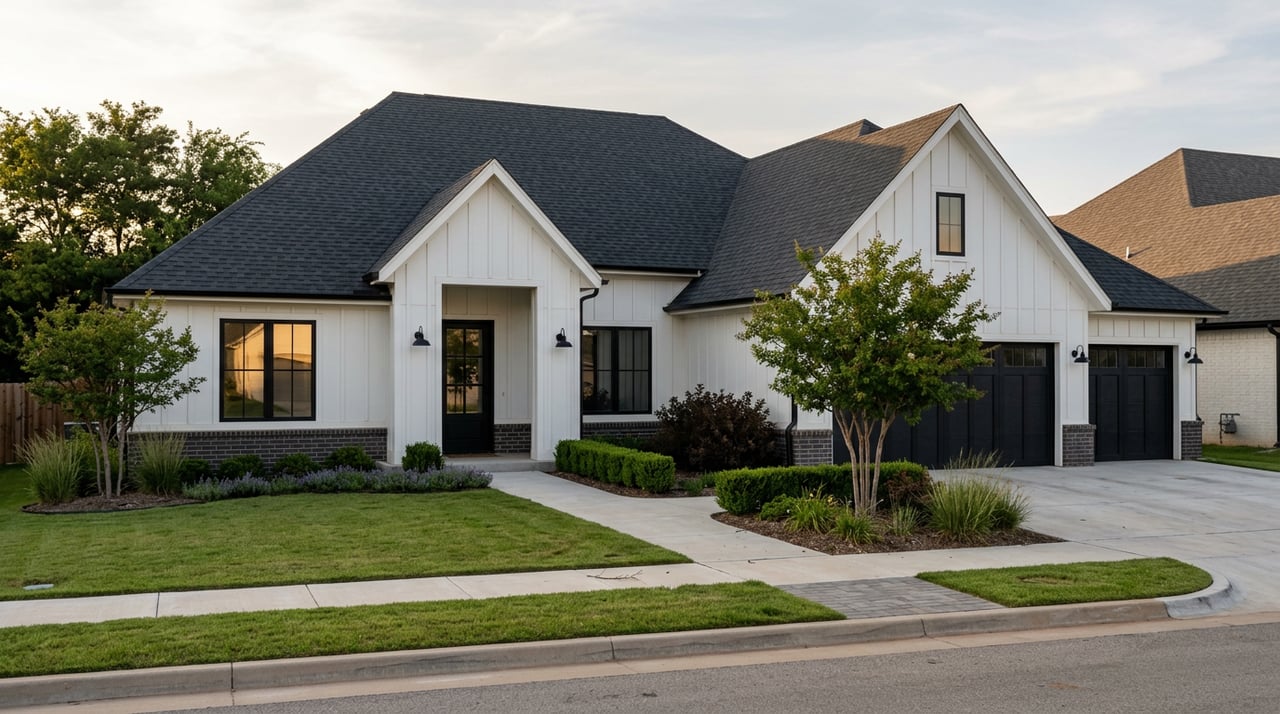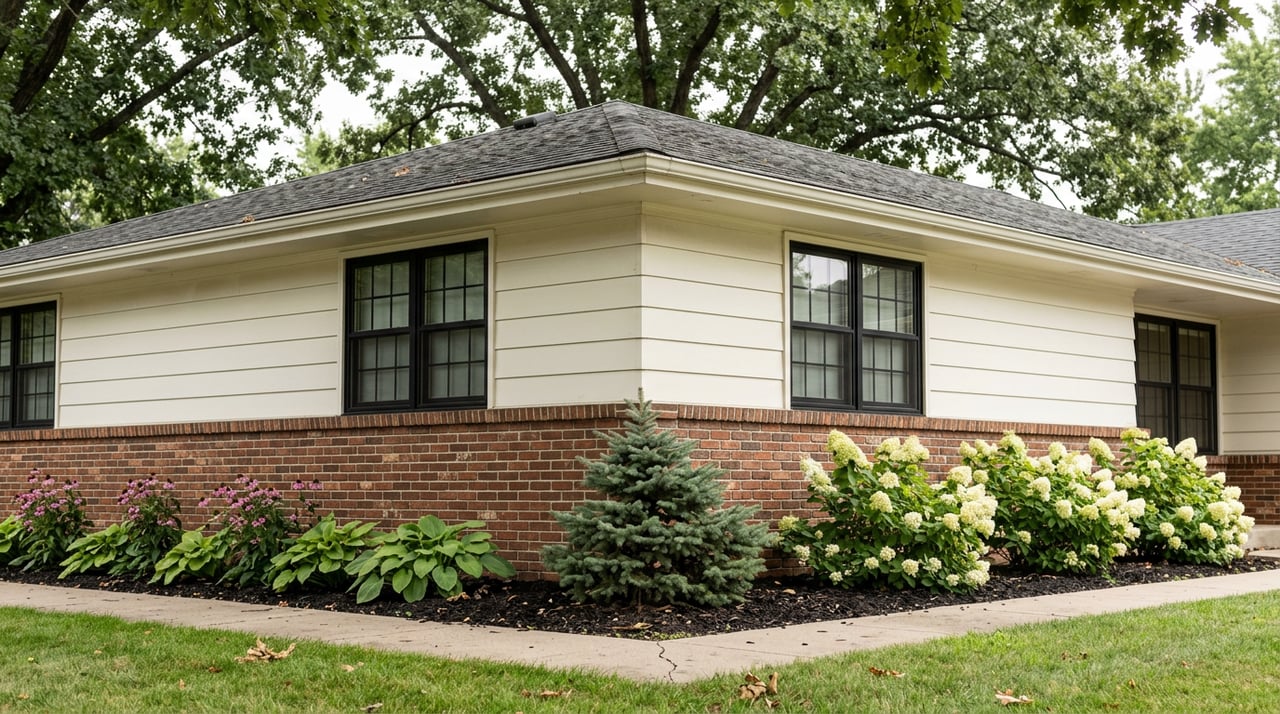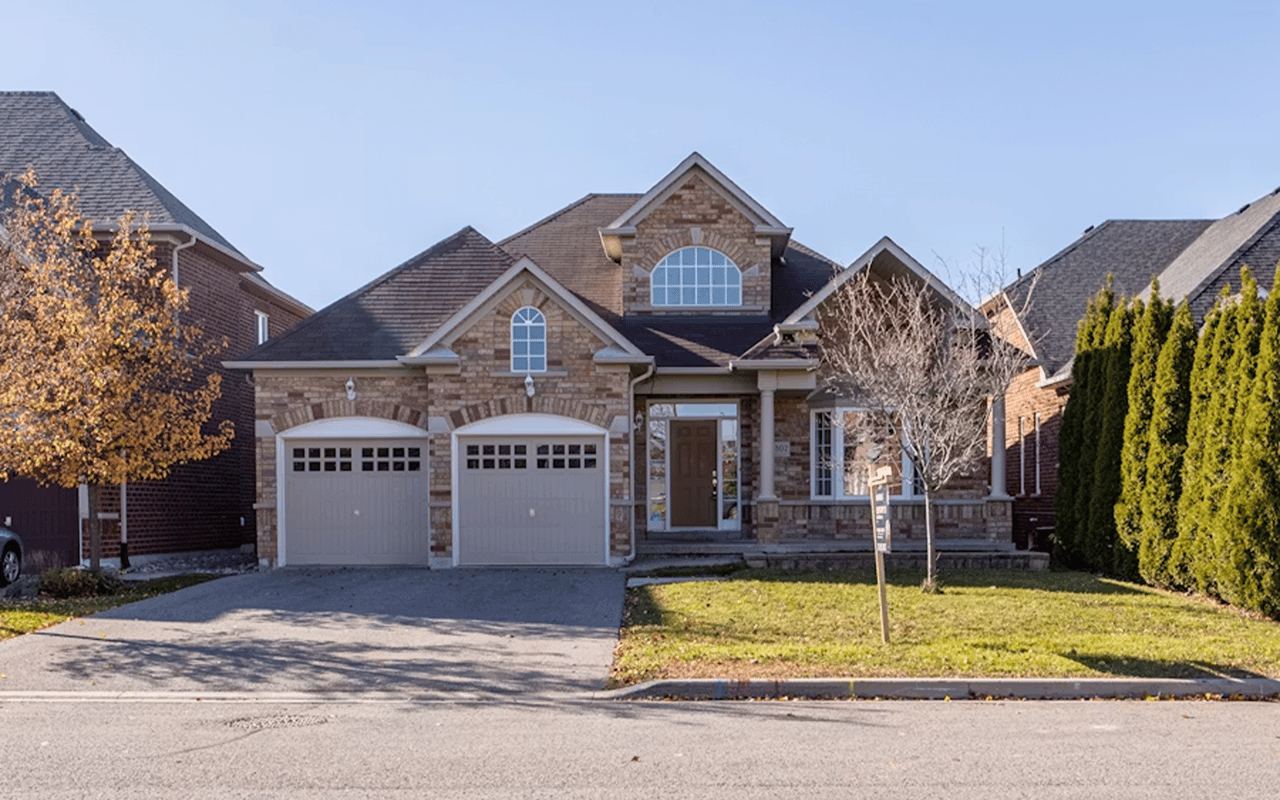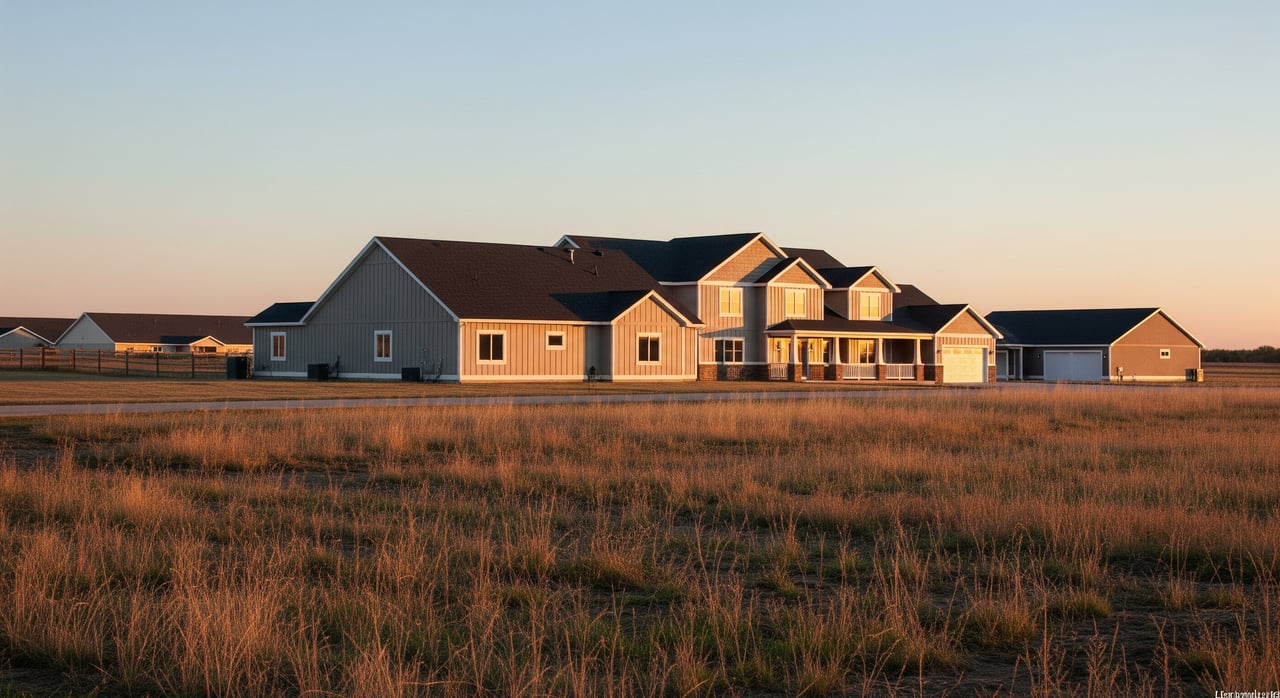
Thinking about buying in West Fargo and stuck between a brand-new build and an existing home? You are not alone. Both paths can work well here, but they come with different costs, timelines, and trade-offs. In this guide, you will learn how the local market shapes your options, what to expect with financing and inspections, and how to decide which route fits your needs best. Let’s dive in.
West Fargo market context
West Fargo is a growing suburban city within the Fargo–Moorhead metro. Continued development brings a steady stream of new subdivisions, spec homes, and custom builds alongside a healthy resale market of single-family homes and townhomes. As mortgage rates shift, inventory and incentives change quickly. Builders may offer upgrades or closing-cost help when demand softens, while some buyers turn to resales when they want quicker closings or more price flexibility.
Growth also influences lot availability, HOA rules, and future infrastructure. In newer areas, roads, parks, and landscaping often arrive in phases. In established neighborhoods, you will usually see completed amenities and mature trees. Your choice often hinges on whether you value customization and new systems more than a quick move-in and an established setting.
New construction: what to expect
Building or buying new can feel exciting because you get a fresh start. You can often select the floor plan, finishes, and certain layout options. Understanding the full picture will help you budget accurately and manage your timeline.
Key benefits
- Customization. You can influence finishes and some plan details, especially with custom or semi-custom builders.
- Lower near-term maintenance. New roofs, HVAC, and appliances typically reduce repair risk for the first several years.
- Warranties. Many builders provide workmanship and system coverage, with longer structural protection. Get details in writing and know how to submit claims.
- Energy efficiency. New homes are built to current codes and often include better insulation, windows, and HVAC compared with older stock.
Common trade-offs
- Price premium. New homes often cost more per square foot due to land development and builder margins.
- Neighborhood maturity. Early-phase communities may lack finished parks, sidewalks, and landscaping until later stages.
- Timeline uncertainty. Permits, materials, and labor can delay completion. Build in extra time if you need to coordinate a lease or home sale.
- Negotiation limits. Larger production builders may favor incentives over price cuts. Smaller builders vary.
Hidden costs to budget
- Lot premiums for walkouts, pond views, or corner lots.
- Upgrades and options that are not in the base price, such as flooring, countertops, windows, or garage door openers.
- Landscaping, fencing, and window treatments after closing.
- Permit, utility, or development-related fees, plus possible special assessments.
- Property tax changes after completion. Confirm with the county how reassessment works.
- HOA fees and rules in newer subdivisions.
Financing and appraisal notes
- Construction-to-permanent loans and staged-draw loans work differently. Ask lenders about rate locks, draws, and closing timelines.
- Conventional, VA, and FHA loans can be used for new homes, but appraisals rely on comparable sales. In a brand-new area, limited comps can create more appraisal uncertainty.
- If the appraisal lands below the contract price, you may need to adjust upgrades, renegotiate, or bring additional funds. Plan a buffer.
Inspections and warranties
- Always plan independent inspections even on new homes. A pre-drywall check and a final inspection help catch items early.
- Confirm that your purchase contract allows third-party inspections and explains how items will be addressed.
- Review warranty documents before you sign. Ask what is covered, how long coverage lasts, and how service requests are handled.
Existing homes: what to expect
Resale homes offer faster closings and established neighborhoods. You can often negotiate price or credits based on inspection findings and market conditions. If you want to move soon and value mature surroundings, a resale can be a strong fit.
Key benefits
- Price flexibility. Sellers price against recent comparable sales and condition, allowing room for negotiation.
- Faster occupancy. You can often close in 30 to 60 days if financing is straightforward.
- Established amenities. Mature trees, completed sidewalks, and known community features are typical.
- Documented history. Seller disclosures, permits, and past utility data can provide context for maintenance and operating costs.
Common risks
- Deferred maintenance. Roofing, HVAC, plumbing, or electrical systems may be at or near end of life.
- Lower energy performance. Older windows and insulation can mean higher utility bills unless upgraded.
- Renovation needs. If you want an open layout or modern finishes, plan for remodel costs and timelines.
- Appraisal variance. Unique homes or limited comps can complicate appraisals.
Inspection focus in our region
- Basements and frost-related foundation issues are common cold-climate concerns. Ask inspectors to review grading, drainage, sump pumps, and signs of water intrusion.
- Electrical panels, plumbing materials, and HVAC performance should be checked carefully.
- Use the inspection results to request repairs or a seller credit, depending on your goals and timing.
Financing options
- Conventional, FHA, and VA loans are widely used for resales.
- Renovation loans can wrap purchase and remodel costs into one mortgage. Ask lenders about qualification, scope limits, and timelines.
Local factors in West Fargo
Your choice should reflect more than the house. Neighborhood maturity, rules, and future development affect day-to-day living and long-term value.
Lots, HOAs, and assessments
- Many newer subdivisions include HOAs and covenants. Review fees, design rules, parking policies, and landscaping standards.
- Special assessments can fund local infrastructure. Ask early about current or planned assessments and how they are paid.
- Lot grading and stormwater management are part of local build standards. Confirm who is responsible for final grading, sod, and sidewalk completion.
Infrastructure and future development
- New phases can add traffic, roads, or nearby commercial areas over time. Consider how staged build-out might affect noise or access in the near term.
- In established neighborhoods, the street grid and amenities are usually complete, so changes tend to be incremental.
Schools and commute context
- School boundaries influence neighborhood demand and resale. Check current district assignments and timing if boundaries are under review.
- Proximity to major employers, interstate access, and everyday services can impact your daily routine. Map commute times during your normal travel hours.
Decision checklist
Use this quick checklist to weigh new construction against an existing home:
- Timeline
- Need to move in weeks? Existing is usually faster.
- Can wait 6 to 12 months or more? New construction may fit.
- Budget and total cost
- New build: include lot premiums, upgrades, landscaping, and fees.
- Existing: include immediate repairs and potential renovations.
- Customization
- High desire for design control points to new construction.
- Flexible on layout and finishes points to a resale.
- Risk tolerance
- Comfortable with construction delays and phased neighborhoods? New can work.
- Prefer known surroundings and quicker certainty? Consider existing.
- Maintenance profile
- Want low maintenance for several years? New helps.
- Comfortable with DIY or contractor projects? Existing can offer value.
- Resale outlook
- Evaluate neighborhood demand, lot type, and long-term desirability.
- Inspections and warranties
- New: verify warranty coverage and inspection rights.
- Existing: plan a thorough inspection and budget for fixes.
- Financing
- New: confirm lender comfort with construction loans and appraisals.
- Existing: weigh conventional, FHA, VA, or renovation options.
- HOAs and rules
- Review any HOA fees, CCRs, and use restrictions before you commit.
- Taxes and assessments
- Check estimated property taxes and any special assessments.
Which path fits you? Quick scenarios
- You want a move-in date within 45 days and prefer mature trees and finished sidewalks. An existing home likely aligns better.
- You need a specific layout and want new systems under warranty, and you can wait through a build window. New construction may be the right fit.
- You like a newer neighborhood but want some price flexibility. Consider a nearly new resale or a builder’s completed spec home.
How we help you choose with confidence
You do not have to pick a path blindly. Our team uses a clear, client-first process to compare real options side by side:
- Strategy session. We clarify your move timeline, budget, and priorities, then map new-build and resale paths that fit.
- MLS-integrated search. We line up tours for both spec homes and resales and track days on market, price changes, and incentives.
- Evidence-based valuation. We prepare human-led price analyses for resales and comp-supported guidance for new-build appraisals.
- Offer and negotiation. We position your offer to fit the seller or builder’s process and protect you on timelines, inspections, and out clauses.
- Due diligence. We coordinate inspections, warranty reviews, and confirm HOA documents, taxes, and any special assessments.
When you are ready, we will help you stack the pros and cons against your goals and move forward with clarity.
Ready to compare properties?
If you are weighing new vs existing in West Fargo, we are ready to help you run the numbers, evaluate neighborhoods, and tour options that fit your timeline. Reach out to Brett Dalzell to start a side-by-side plan and see the path that gets you home with confidence.
FAQs
How long does new construction typically take in West Fargo?
- Many builds take several months, and timelines can shift with permits, materials, and labor, so plan a buffer if you have a fixed move date.
What inspections should I get on a new-build home?
- Ask for a pre-drywall inspection and a final inspection, and confirm your contract allows third-party inspections and describes how items will be addressed.
Are special assessments common in new subdivisions?
- They can be present to fund infrastructure; verify current and planned assessments with the city and confirm how they are paid.
How do builder warranties usually work?
- Coverage often includes short-term workmanship and system protection with longer structural terms; review the written warranty for coverage, timelines, and claims.
Can I use VA or FHA financing for new construction?
- Yes, but appraisals and inspections follow specific program rules, so coordinate early with your lender and builder.
Will a new home appraise at the contract price?
- Appraisals rely on comparable sales, which can be limited in new areas; plan for potential variance and discuss options with your lender and agent.