Wondering what your Horace home could actually sell for this winter? You are not alone. Winter in Cass County brings real questions about pricing, timing, and how to handle showings when the driveway is icy and the yard is buried in snow. In this guide, you will get a simple, local method to estimate a realistic sale range, plus winter-specific tips that protect your price and timeline. Let’s dive in.
How winter pricing works in Horace
Winter usually means fewer showings, but the buyers who are out tend to be motivated by real reasons like job changes or timing a school-year move. That mix can still produce strong prices when inventory is tight. If supply rises, you may see more price negotiations.
Seasonality matters when you compare numbers. Look at both the last 3 to 6 months and the same period last year to understand normal winter patterns. If new construction nearby is active, it can set a ceiling on what buyers will pay for resales of similar size and finish.
Your best pricing picture comes from recent local comps in Horace, a quick scan of active and pending listings, and a read on list-to-sale price ratios and days on market. An MLS-powered valuation provides that clarity.
Step-by-step: estimate your winter sale price
Follow this practical process to build your own estimate before you list.
Step A: Define your property
Write down the basics so you can compare apples to apples:
- Property type and style
- Finished square footage and bedroom/bath count
- Lot size and garage stalls
- Basement type and finished area
- Age, condition level, and recent updates
- Notable factors like roof age, HVAC, or floodplain status
Step B: Build a comparable set
- Start with 3 to 6 closed sales in your subdivision or within 0.5 to 1.5 miles. Closer is better in a small market like Horace.
- Favor sales from the past 3 to 6 months. Stretch to 12 months only if recent sales are limited.
- Match on size within about 10 to 15 percent, similar bed/bath counts, garage configuration, and overall condition.
- Add 3 to 5 active and pending listings to see how the market is pricing similar homes right now.
Step C: Calculate base price indicators
Two simple ways to set a baseline:
- Price per finished square foot. Divide each comp’s sale price by its finished square footage. Use the median of your comp set as your target $ per foot.
- Comparable-based pricing. Start with each comp’s sale price and adjust for key differences.
Step D: Adjust for differences that matter
Use common-sense adjustments for features buyers value in Horace:
- Bedrooms and bathrooms
- Finished basement or additional living area
- Garage type and stall count
- Lot size and usable yard
- Condition and updates, especially kitchens, baths, roof, windows, and HVAC
- Age and energy efficiency
Keep notes on why you made each adjustment and how much you applied. Local agent judgment is essential for realistic amounts.
Step E: Cross-check your number
- Compare your estimate to current actives and pendings. If your price is well above nicer, newer actives, you may be too high.
- Consider list-to-sale ratio and median days on market. In a seller’s market, pricing at or slightly above the comp median can work. In a buyer’s market, price conservatively and plan for longer time on market.
- Account for nearby new construction. New builds often cap resale prices for similar homes and can pull off some buyers who want brand-new.
Step F: Produce a price range and timeline
Give yourself a range rather than a single number, then choose a list price strategy:
- Low end: trade speed for certainty
- Likely value: where most offers should land
- High end: test the ceiling if inventory is thin and your condition shines
Offer an estimated time on market for each option based on current local DOM trends.
Illustrative example only
- Subject home: 2,200 finished square feet
- Comparable solds median: 2,000 square feet at $180 per square foot = $360,000
- Size adjustment: 2,200 x $180 = $396,000 baseline
- Condition adjustments: recent kitchen refresh +$15,000; finished basement +$10,000
- Estimated value: about $421,000
- Suggested winter list range: $409,000 to $429,000 based on strategy and market tension
Label your own numbers clearly and confirm with a current MLS-driven market analysis before you list.
Winter factors that affect value
Seasonal demand and inventory
- Fewer casual shoppers, more motivated buyers
- Prices can hold if inventory is low
- More concessions if supply outpaces demand
Weather and curb appeal
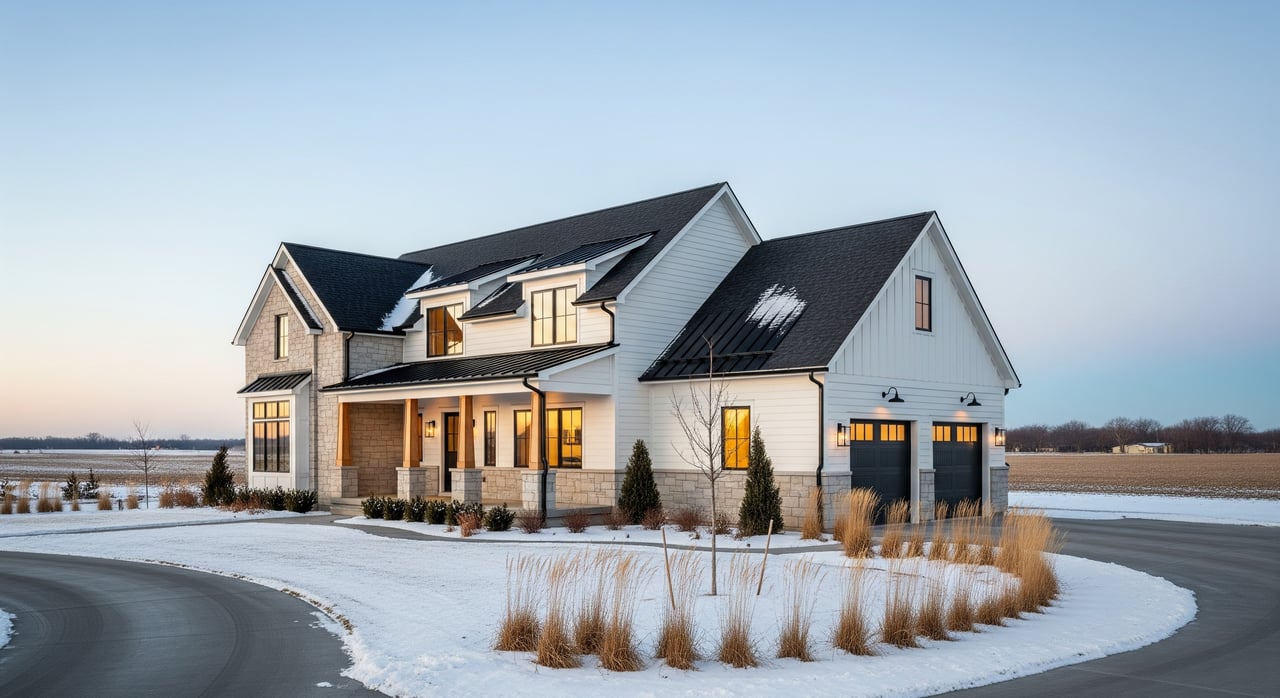
- Snow can hide landscaping and exterior wear. Provide clear photos from snow-free months if you have them.
- Keep driveway, walks, and entryways well cleared for safe, comfortable showings.
Show-ready details in winter
- Light and warmth: bright bulbs and comfortable thermostat settings help buyers linger
- Declutter winter gear at the entry
- Offer both winter and snow-free photos when possible for context
Inspection, appraisal, and closing timing
- Frozen ground can complicate septic or well checks and some repairs
- Inspectors and contractors can book up; build in time
- Appraisers and lenders operate year-round, but winter schedules may extend closing timelines
Cost-of-ownership considerations
- Buyers notice winter utility bills and furnace age
- Share recent heating bills and highlight energy upgrades when available
Horace and Cass County specifics
- Commutes to Fargo matter to many buyers and can influence preferred closing dates
- New subdivisions under construction may shift comparable ceilings and buyer expectations
Price strategy and time on market
Think in terms of both price and pace.
- If the recent list-to-sale ratio is near 100 percent and median DOM is short, you can price closer to the top of your range.
- If DOM is rising or price reductions are common, favor a sharper entry price and prepare for negotiations.
- To move faster, price slightly below the best comp-adjusted value and pair it with top-tier marketing.
Your goal is to enter the market where buyers see clear value on day one and appraisers can support the contract price.
Net proceeds: what you keep
Before you pick a number, estimate your net. Typical seller costs in Cass County include:
- Agent commissions, commonly 5 to 6 percent of the sale price, per your listing agreement
- Title and closing fees, recording fees, and any transfer fees
- Payoff of your existing mortgage and any liens
- Prorated property taxes and any HOA dues
- Repairs or concessions after inspection
- Staging, photography, and ongoing holding costs like utilities, insurance, and snow removal
- Possible capital gains taxes depending on your situation; consult a tax professional
Sample net sheet math, illustrative only
- Sale price: $400,000
- Commissions at 6 percent: $24,000
- Title and closing costs at about 1 to 2 percent: $6,000
- Prep and holding: $3,000
- Mortgage payoff: example $150,000
- Estimated net: $217,000
Ask for an agent-prepared net sheet tied to your exact payoff, fees, and local costs for precision.
What to gather before you list
Use this quick checklist to get market-ready and pricing-ready:
- 3 to 6 closed comps from the past 3 to 6 months with size, condition, and location notes
- 3 to 5 active and pending listings for context
- Recent list-to-sale ratios and median days on market in Horace
- Months of inventory for single-family homes in Horace and Cass County
- Any recent permits or neighborhood development updates
- Utility averages for winter months and recent service records for HVAC
- A punch list of minor repairs, touch-up paint, and winter-safe staging items
Should you wait until spring?
It depends on your goals and the current inventory picture.
- List now if inventory is tight, you have strong condition, and you can present great photos and warm, bright showings.
- Consider spring if you need time for bigger updates, exterior work, or you want to target a broader buyer pool. Pair that plan with a winter prep timeline so you launch at peak presentation.
- Run the numbers both ways. Compare a winter price range and DOM to likely spring demand, then factor in holding costs.
Next steps
If you want a clear, evidence-backed price for your Horace home, request a human-prepared market analysis. You will see the exact comps, adjustments, and a recommended strategy tailored to your timeline. When you are ready, our team will stage, market, and negotiate to help you keep more of your equity.
Have questions or want to see your numbers? Connect with Brett Dalzell to get your home’s value and a custom winter selling plan.
FAQs
How do I estimate my Horace home’s winter value?
- Build a comp set from the last 3 to 6 months near your home, adjust for size and condition, cross-check with current actives and pendings, then set a realistic low-likely-high range.
Do homes in Horace sell for less in winter?
- Prices can hold if inventory is low and buyers are motivated, but higher inventory or slower demand may lead to longer timelines or concessions.
What winter prep helps my sale price most?
- Clear snow and ice, brighten interior lighting, keep the home warm, declutter entries, and provide both winter and snow-free exterior photos if available.
How does new construction affect my resale price?
- Nearby new builds often set a price ceiling for similar homes and can divert buyers; use recent new-build sales as a ceiling when pricing your resale.
What costs reduce my net proceeds as a seller?
- Expect commissions, title and closing fees, prorated taxes, mortgage payoff, possible repairs or credits, and holding costs while listed.
How long will it take to sell in winter?
- Timing depends on price point, condition, and current days-on-market trends; sharper pricing and strong presentation can shorten the timeline.
Should I rely on an online estimate for pricing?
- Use it as a quick check only; confirm value with MLS-backed comps and a human-prepared analysis that reflects condition, updates, and local market shifts.