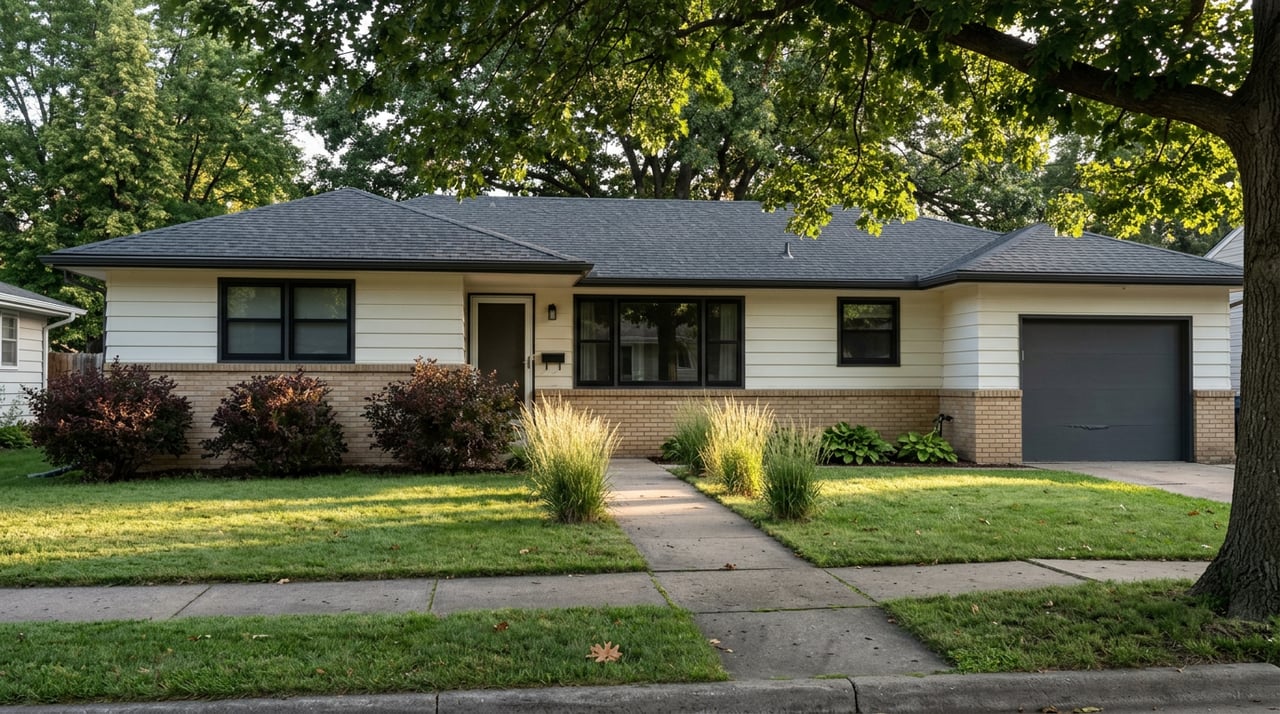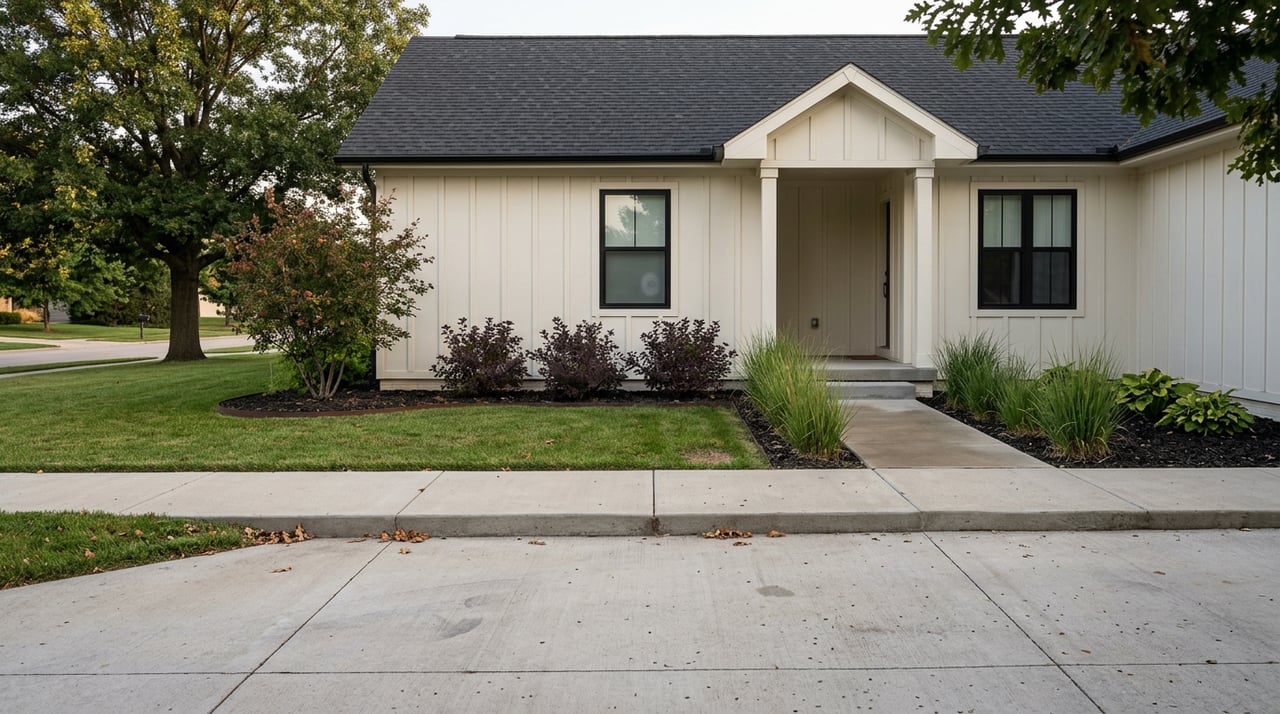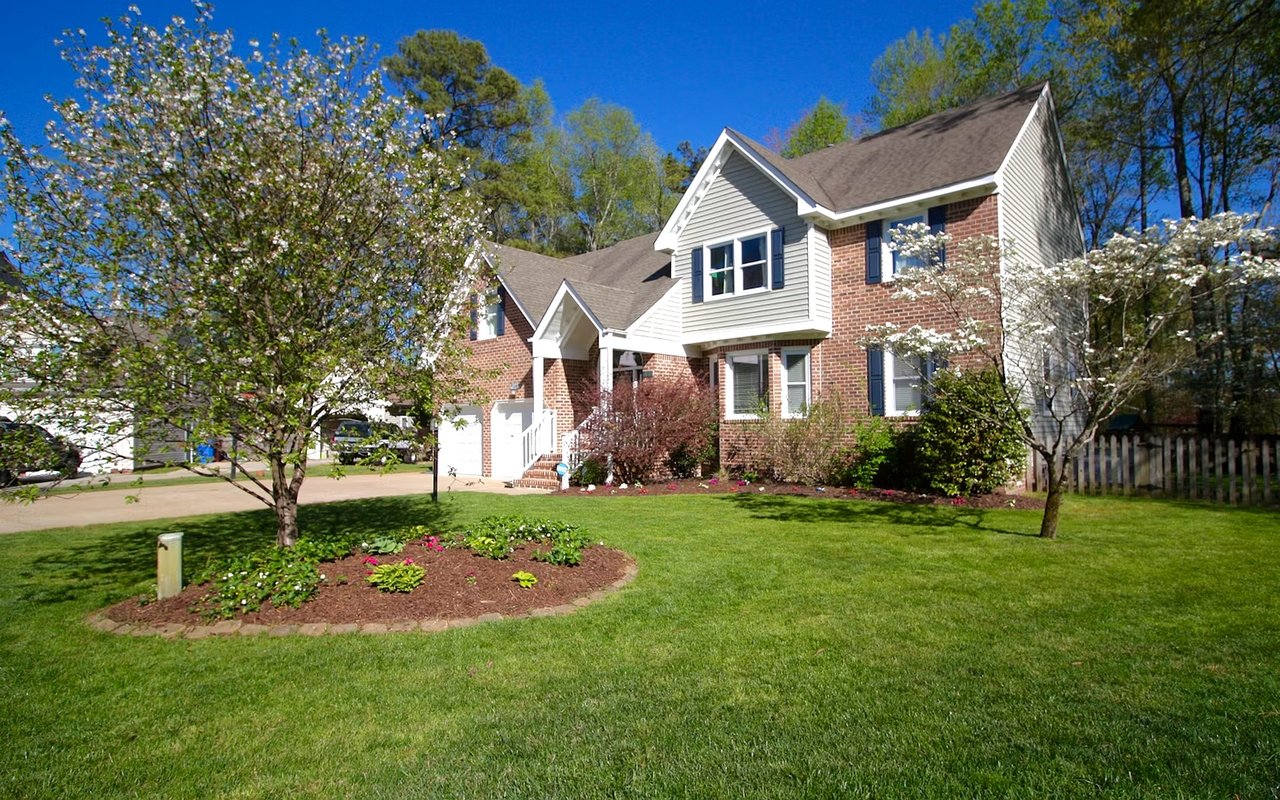
Selling your home in Moorhead can feel simple on the surface. Put a sign in the yard, list it online, and wait for offers. In reality, the sellers who protect their time, stress level, and bottom line usually follow a clear plan from day one. This guide walks you through what to expect from your first conversation to the closing table, so you can make smart moves with more confidence. Let’s dive in.
Start With A Clear Selling Plan
Your sale starts before your home hits the market. In Minnesota, an agency disclosure form is required at the first substantive contact in a residential transaction. That form explains agency relationships, but it is not the same thing as a listing agreement.
From there, a strong seller process usually moves through consultation, pricing, prep, marketing, showings, offer review, and closing coordination. That structure matters because each step affects the next one. If you rush the early decisions, the rest of the sale often gets harder.
For many Moorhead sellers, the goal is not just to sell. It is to sell with a realistic timeline, fewer surprises, and the best possible net. That starts with knowing what the local market is doing right now.
Moorhead Market Snapshot
Recent housing data points to a market that still rewards solid pricing. Redfin reported a Moorhead median sale price of $274,086 in May 2026, up 4.6% year over year, with a median 39 days on market and 157 homes sold. Zillow showed an average home value of $290,230, up 2.1% over the past year, with 182 homes for sale as of June 30, 2026, and a median sale-to-list ratio of 0.996.
Realtor.com reported a median listing price of $330,000, 315 active listings, and a median 51 days on market in June 2026. The exact numbers vary by platform because each one measures the market a little differently. Still, the bigger message is consistent: homes are moving, but overpricing can slow you down.
That matters if you are thinking, “I’ll just aim high and see what happens.” In a market where homes are often selling close to asking, buyers still compare value carefully. If your price does not line up with condition, features, and recent sales, you can lose momentum fast.
Price Your Moorhead Home Realistically
Base Price On Today’s Market
Minnesota’s seller guidance is clear on pricing. Buyers usually pay around what similar homes have recently sold for, not what a seller originally paid or spent on improvements. Location, size, features, and condition all play a role.
That means your pricing strategy should be built on current market value, not memory, emotion, or a renovation budget. Even meaningful updates do not always translate dollar for dollar. The goal is to position your home where buyers see value and feel ready to act.
Why Overpricing Backfires
Starting too high can reduce showings, scare off serious buyers, and force price cuts later. That pattern often makes buyers wonder whether something is wrong with the home, even when the real issue is just pricing. A stale listing can cost you leverage.
In Moorhead, current market data suggests well-priced homes can still move within roughly a month or two. That window can shrink or stretch based on price point, condition, and presentation. Accurate pricing helps you compete from the start instead of chasing the market later.
Use Local Records To Double-Check Details
Clay County offers online property records, real estate records, and a property tax calculator. Those tools can help you verify assessment details, tax information, and recording data before finalizing your list price. They are useful for sanity-checking the numbers that may come up during pricing discussions.
Prep Your Home Before You List
Focus On High-Impact, Low-Cost Improvements
You do not need a major remodel to make your home more marketable. Minnesota’s seller guidance recommends practical prep steps like decluttering, deep cleaning, using neutral paint, fixing small repairs, addressing leaks or moisture issues, removing pests, and keeping bathrooms spotless.
These steps work because they help buyers focus on the home itself. Clean, well-maintained spaces tend to photograph better, show better, and create fewer concerns during showings. In many cases, the best prep is simple, not flashy.
Handle Repairs Carefully
If you hire someone to complete repairs, Minnesota recommends getting at least two bids and preferably three. It also recommends confirming that the contractor is licensed and insured. That extra effort can help you avoid overpaying or creating new problems before listing.
The smartest pre-list work usually targets issues that buyers notice right away. Think peeling paint, dripping faucets, damaged trim, sticking doors, or visible moisture concerns. Small fixes can support a cleaner presentation and reduce avoidable objections.
Test For Radon Early
The Minnesota Department of Health recommends testing for radon well before listing so you have time to correct any problem. It also says real estate radon tests should be done by a licensed professional under closed-house conditions.
This is especially important in Minnesota, where about 40% of homes have elevated radon levels. Radon can affect both disclosure requirements and buyer confidence. Testing early gives you more options and more time to respond.
Launch With Strong Marketing And Showings
Once your home is ready, the listing launch becomes about visibility and follow-through. Minnesota broker guidance says the listing side should provide market analysis, advertise the home, place it in the MLS, and negotiate contingencies and counteroffers.
That is why a structured process matters so much. Good marketing is not just posting photos and waiting. It is combining pricing, presentation, MLS exposure, and responsive communication so buyers can move from interest to action.
Showings are also part of the strategy. The more your home feels clean, bright, and easy to tour, the easier it is for buyers to picture themselves living there. Consistency matters here. A strong first weekend means more when your home is priced and presented well from the beginning.
Review Offers With Your Net In Mind
Look Beyond The Top Price
When an offer comes in, Minnesota’s seller guide says to review the bid price, buyer qualification, contingencies, and closing timeline. An offer within about 3% to 5% of asking is often considered strong, and buyers commonly include earnest money and a lender qualification letter.
That means the best offer is not always the highest number on page one. A slightly lower offer with stronger financing, fewer contingencies, or a smoother timeline may protect your net better. The right question is not “Which offer looks biggest?” but “Which offer is most likely to close on good terms?”
Watch The Appraisal And Financing Risks
Lender-required inspections or appraisals can lead to repairs, renegotiation, or even loan denial. If a home appraises below the contract price, the deal can hit a speed bump. Buyers may ask for a price reduction, bring in extra cash, or walk away if the contract allows it.
This is one reason accurate pricing matters so much at the start. A realistic list price helps support the contract price later. It can also reduce the odds of a stressful back-and-forth after you think the hard part is over.
Get Disclosures Right Early
Minnesota law requires sellers to provide a written disclosure before signing the sale agreement if they know of material facts that could adversely and significantly affect the ordinary use or intended use of the property. The disclosure must be made in good faith and based on your best knowledge.
If you later learn that a disclosure was inaccurate, you must notify the buyer in writing as soon as reasonably possible and before closing. Sellers who fail to disclose known material facts can face civil liability, and buyer claims generally must be brought within two years after closing.
This is not an area to rush through. Thoughtful, complete disclosure can reduce legal risk and build buyer trust at the same time.
Key Disclosure Items To Remember
Depending on the property, sellers may also need to provide additional disclosures before the purchase agreement is signed or as required by law. Common examples include:
- Well disclosure
- Underground sewage treatment system disclosure
- Radon disclosure with test results and the required Minnesota Department of Health publication
- Lead-based paint disclosure for most homes built before 1978
Minnesota also allows the standard disclosure to be waived in writing, but that does not remove other disclosure duties. If you know something material about the property, it is important to handle it correctly.
Prepare For Closing In Advance
Closing is the meeting where the deed and final paperwork change hands. Minnesota’s seller guide recommends scheduling closing at least six weeks after the purchase agreement. It is often set near the end of the month, but not on the last day in case a problem comes up.
That timing buffer matters more than many sellers expect. Financing delays, appraisal issues, title questions, and last-minute document needs can all push a closing back. A little extra room in the calendar can keep one hiccup from turning into a much bigger problem.
Know Typical Seller Closing Costs
Minnesota’s seller guidance says sellers typically pay some closing costs, including:
- Commission
- Abstract or title search
- Recording fees
- Prorated real estate taxes and assessments
- State deed tax
- Closing-agent fee
Knowing these costs early can help you estimate your likely net proceeds more accurately. It can also help you compare offers in a more realistic way.
Use County Tools Before Closing
Clay County provides online property information, tax inquiries, recording document access, and tax calculation tools. These resources can be useful for confirming final tax and property details before closing. A little verification on the front end can help avoid surprises on the back end.
Your Best Selling Strategy In Moorhead
If you are selling in Moorhead, the strongest playbook is usually the most disciplined one. Price with current local data, prep the home with practical improvements, disclose known issues early, and leave enough room in the timeline for financing, appraisal, title, and closing details.
That approach helps you protect both momentum and net proceeds. In a market where homes are still selling, buyers still respond best to listings that feel well-priced, well-prepared, and well-managed from start to finish.
If you want a clear, local plan for your next move, Brett Dalzell can help you build a smart pricing and selling strategy for your Moorhead home.
FAQs
What is the first step to selling a home in Moorhead?
- The first step is usually a seller consultation to review your goals, timeline, pricing strategy, and home prep needs. In Minnesota, an agency disclosure form is required at the first substantive contact, and that disclosure is separate from a listing agreement.
How should I price my Moorhead home for sale?
- Your home should be priced based on current market value, recent comparable sales, condition, size, location, and features. Minnesota guidance warns that pricing too high can reduce showings and lead to later price cuts.
How long does it take to sell a home in Moorhead?
- Recent market snapshots suggest many Moorhead homes are selling in roughly a month to two months, with reported median days on market ranging from 39 to 51 days depending on the source. The actual timeline depends on price, condition, and presentation.
What repairs should I make before listing a Moorhead home?
- Focus on practical, visible improvements like cleaning, decluttering, neutral paint, small repairs, moisture issues, and pest problems. Minnesota guidance supports low-cost prep that improves first impressions without requiring major remodeling.
Do Moorhead sellers need to disclose problems with the home?
- Yes. Minnesota law requires sellers to disclose known material facts that could adversely and significantly affect the ordinary use or intended use of the property, and the disclosure must be made in good faith based on the seller’s best knowledge.
Should I test for radon before selling a home in Moorhead?
- Testing early is a smart step because the Minnesota Department of Health recommends testing well before listing so there is time to address any problem. Radon can affect both legal disclosure and buyer confidence.
What should I review when I receive an offer on my Moorhead home?
- Review the offered price, buyer qualification, earnest money, contingencies, and the proposed closing timeline. A strong offer is about more than the top number because appraisal, financing, and inspection issues can affect your final result.
What closing costs do sellers usually pay in Minnesota?
- Sellers typically pay costs such as commission, abstract or title search, recording fees, prorated real estate taxes and assessments, state deed tax, and a closing-agent fee.