Welcome to West Fargo, North Dakota
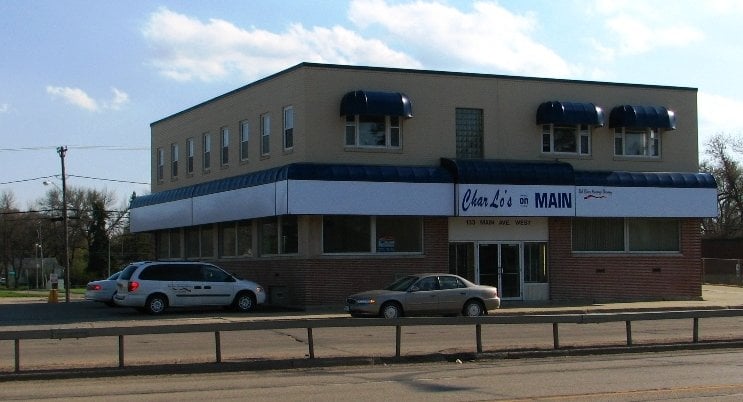
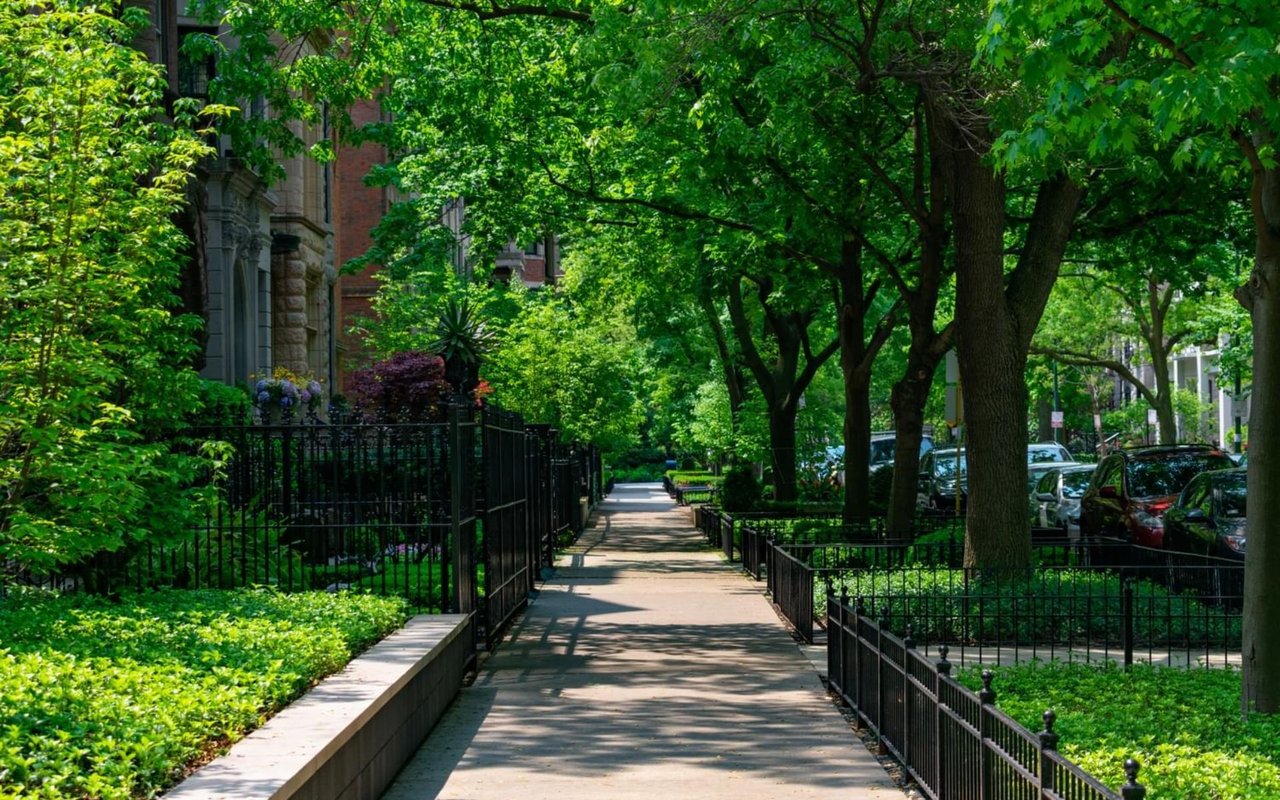
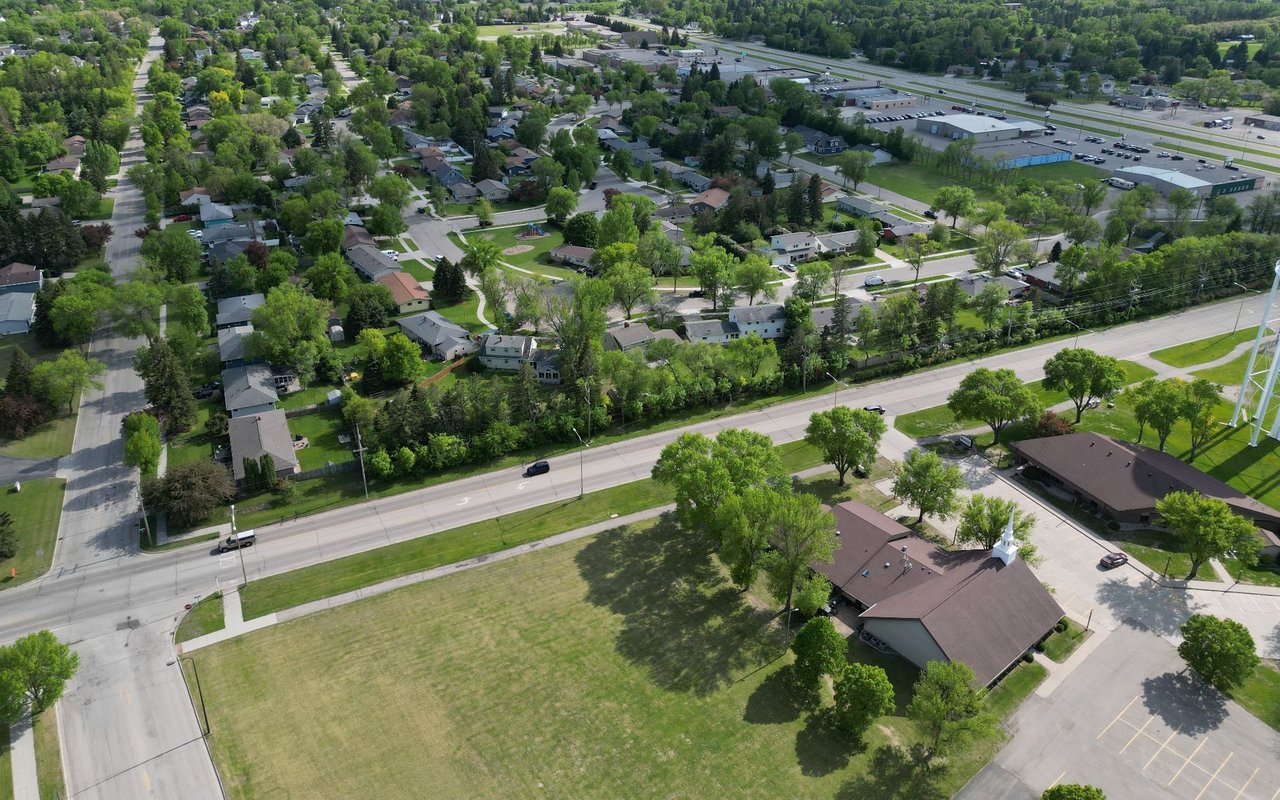
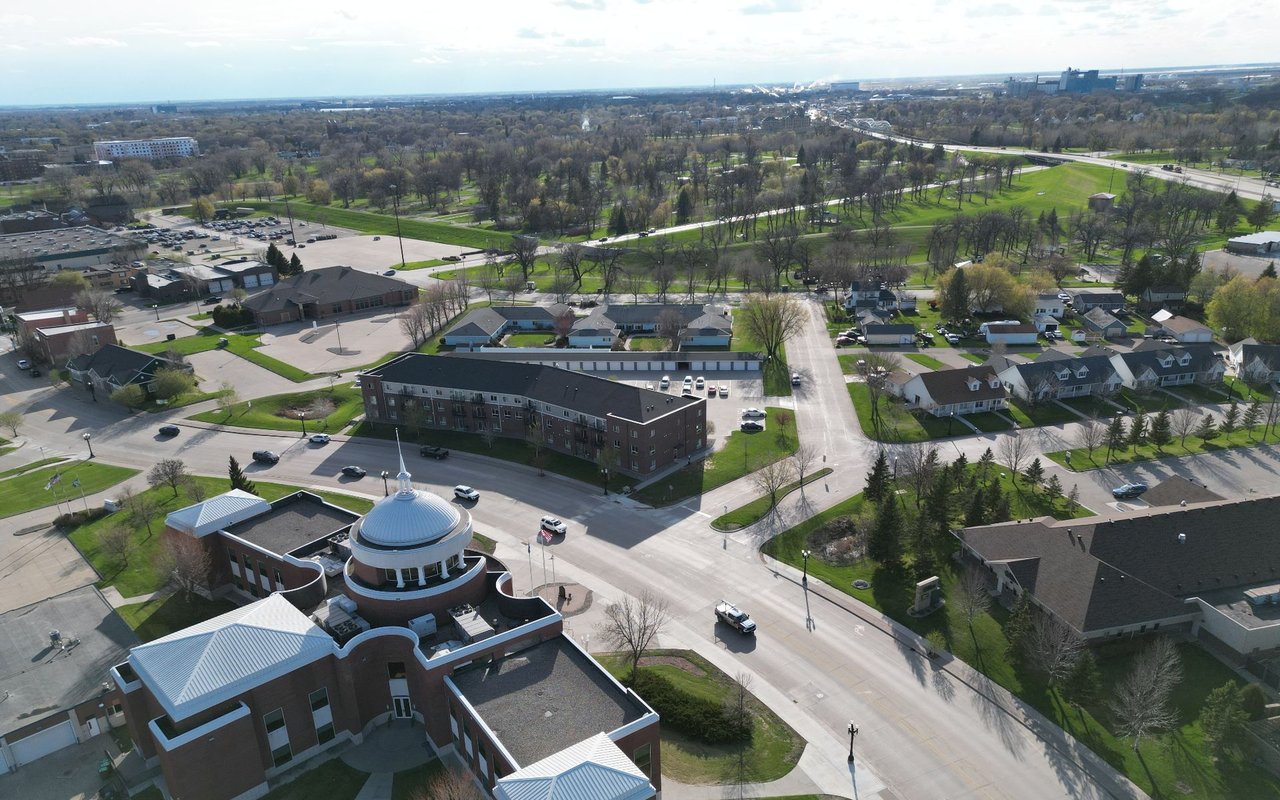
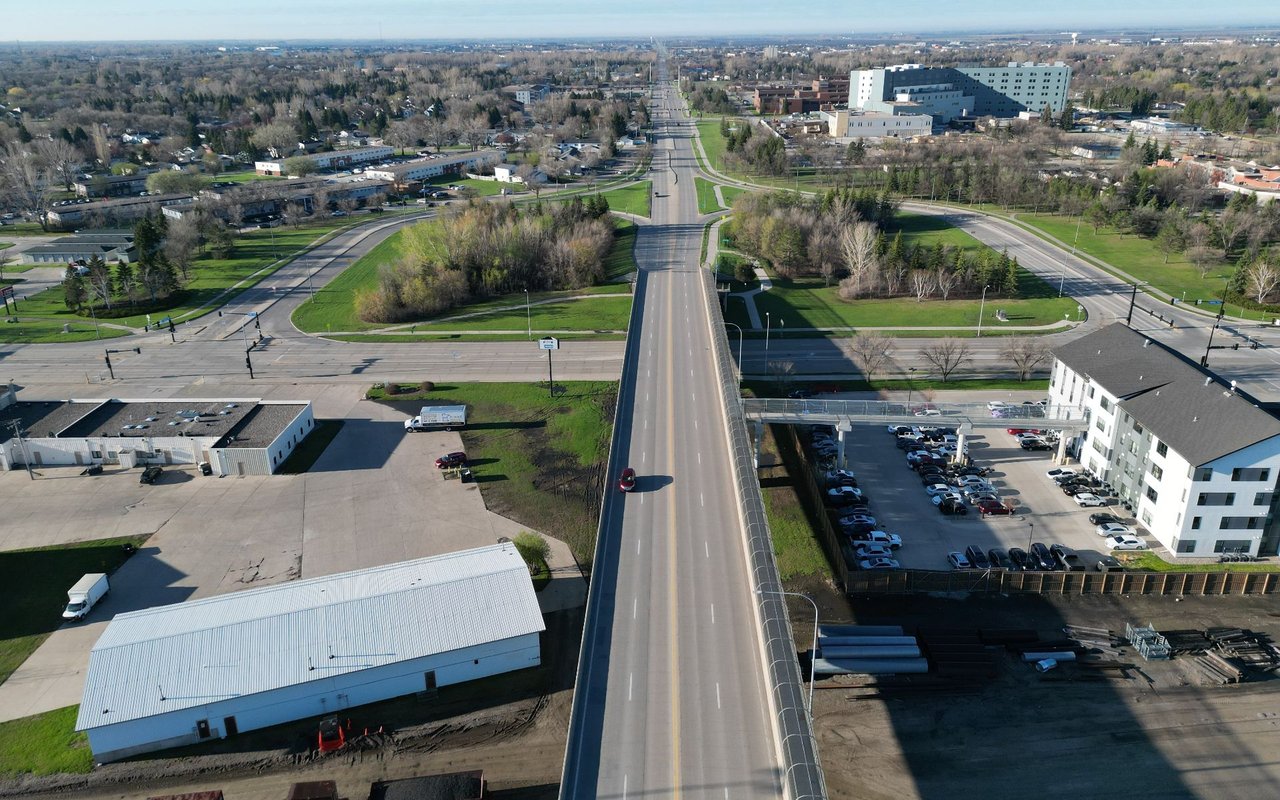
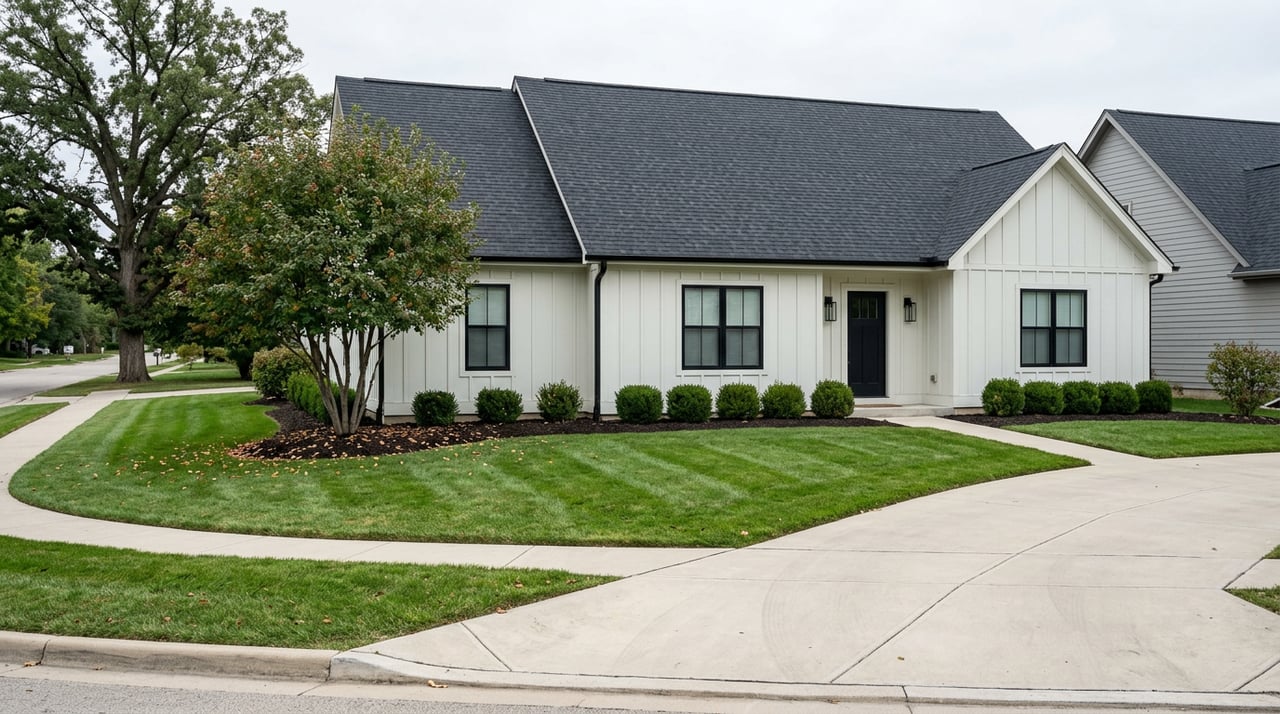
West Fargo is a growth town. Over the last decade it has expanded faster than almost anywhere else in North Dakota, and that momentum shapes its whole character. The city reads as clean, orderly, and open — wide arterial roads, master-planned subdivisions on the southern edge, and mature tree-lined pockets closer to the historic core along Main Street.
The people it draws are, overwhelmingly, families. The magnet is the school system, and buyers routinely choose a house because of the high school zone it sits in before they fall in love with the house itself. You'll also find young professionals gravitating toward low-maintenance townhomes and downsizers who want a newer build without the upkeep of an older property. If you want walkable urban energy and late-night nightlife, West Fargo isn't that; if you want space, strong schools, short commutes, and a community that revolves around parks and youth sports, this is one of the best bets in the region.
West Fargo Housing Market Overview
West Fargo is a seller's market, and a fairly aggressive one. While the broader FM metro has drifted toward balance, demand here keeps the pressure on.
The pace is fast. The median home sits on the market roughly 28 to 39 days, the quickest turnaround in the metro, and genuinely move-in-ready homes in desirable zones often go pending in under two weeks. Competition is real but selective — the average sale-to-list ratio hovers around 99.3%, meaning most homes sell within a whisker of asking, and somewhere between 21% and 27% of homes close above list price when bidding wars break out on prime properties.
On price, the median sale lands between $353,000 and $365,000. There's real range beneath and above that: established twin homes and townhouses start in the low-to-mid $200s, while newer single-family construction on the south side climbs comfortably into the $400k–$750k+ territory. Inventory is the tightest in the metro, running around a two-month absorption rate, which is the core reason prices stay firm.
West Fargo Real Estate Trends
The direction here has been steady up, not spiky. Over roughly four years, median prices have climbed more than 20% — from around $303,000 to today's ~$365,000 — and year-over-year growth is running a healthy 2.3% to 2.6%. That's the profile of a durable market, not a bubble.
The single most defining local trend, though, isn't a number on a price chart — it's special assessments, or what locals just call "specials." Because West Fargo built out so much infrastructure so quickly after 2015, many newer homes carry active infrastructure taxes that can run anywhere from a few hundred dollars to as much as $7,000 per year, often lasting 15 to 20 years. This has quietly reshaped buyer behavior. Increasingly, buyers are steering toward mature neighborhoods — Charleswood, Eaglewood, Riverside, Meadow Ridge — where 1990s and 2000s infrastructure is mostly paid off, so more of every dollar goes to living space instead of municipal debt.
Where it's heading: as mortgage rates settle into the mid-6% range, closed-sale volume has ticked up over 10% year-over-year. With inventory this tight, the reasonable expectation is continued firm pricing and a moderate 2% to 4% annual climb rather than any dramatic swing.
Investment Properties in West Fargo
West Fargo is a premium, appreciation-driven play rather than a cash-flow bonanza — and understanding that distinction is what separates good investments here from disappointing ones.
On rental income, apartments average around $1,100/month while single-family detached rentals command roughly $2,014/month. Because purchase prices are relatively high, hitting the traditional "1% rule" on a single-family home is rare. The better yield stories are multi-family units, townhomes, and multi-level split entries, which land gross yields in the 4.5% to 6% range. Vacancy is a bright spot: the metro runs tight, frequently dropping below a 3% vacancy rate for newer, desirable product, and anything near 13th Avenue South or Veterans Boulevard leases quickly thanks to proximity to shopping, healthcare, and offices.
The real hook is appreciation. Predictable 2.3% to 2.6% annual growth, backed by relentless school-district demand, makes long-term equity here reliable. Fix-and-flip potential, by contrast, is limited — West Fargo simply doesn't have a deep stock of neglected century homes. The flip opportunities that exist tend to be late-80s and early-90s split-foyers needing cosmetic overhauls, or distressed twin homes.
One warning that can make or break a deal: if you buy a rental or flip in a newer development, you must fold the active special assessment into your net operating income. Unpaid specials can erase your cash flow entirely if you don't negotiate them upfront.
Buying a Home in West Fargo
Expect competition, and expect to move quickly. Homes in prime school zones routinely go pending within 21 to 28 days, and a well-priced, well-presented home will draw multiple offers. Sellers hold the leverage, reflected in that ~99.3% sale-to-list ratio, and about one in four homes sells above asking.
On terms, buyers rarely waive inspections outright, but in competitive situations they'll often use an "inspection limit" clause — agreeing not to nitpick minor repairs under about $1,000. Financing and appraisals are standard, though because prices have risen steadily, aggressive buyers sometimes offer an appraisal gap (a promise to cover the difference if the home appraises below the agreed price) to win a bidding war. The negotiation point genuinely unique to this market is the specials: your purchase agreement needs to state clearly whether the seller pays off the outstanding certified infrastructure balance at closing or whether you, the buyer, assume it going forward.
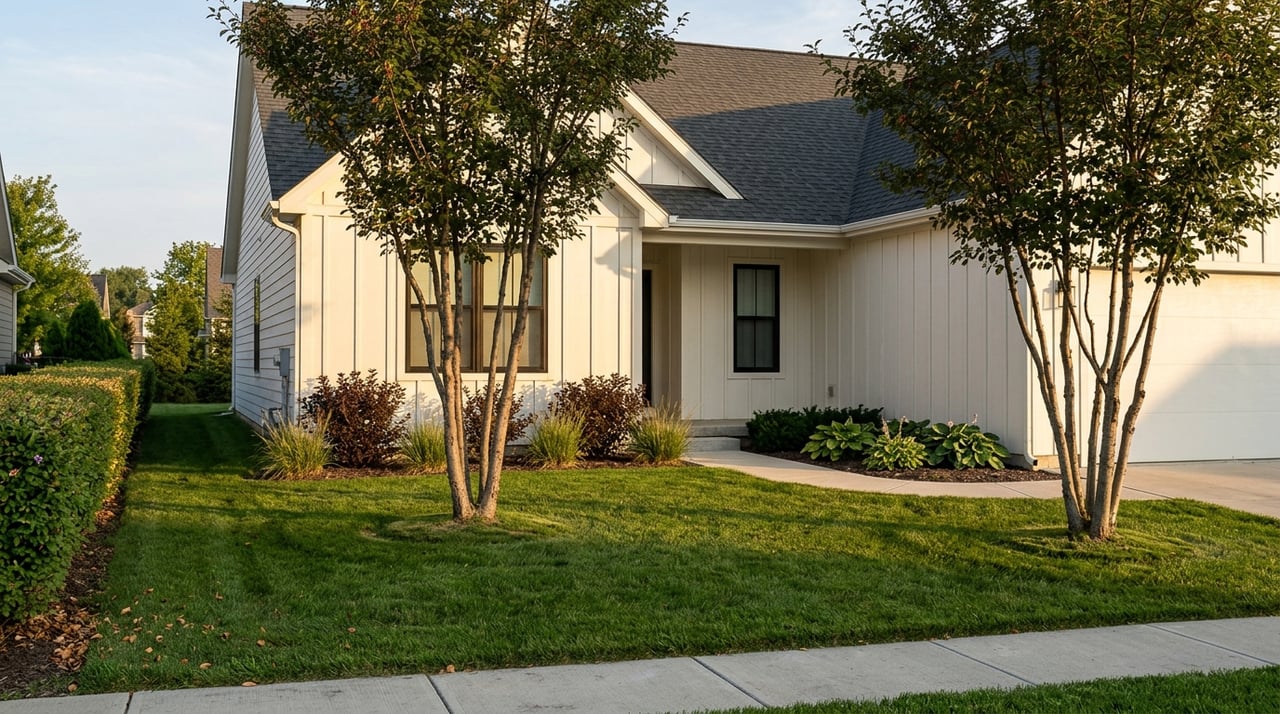
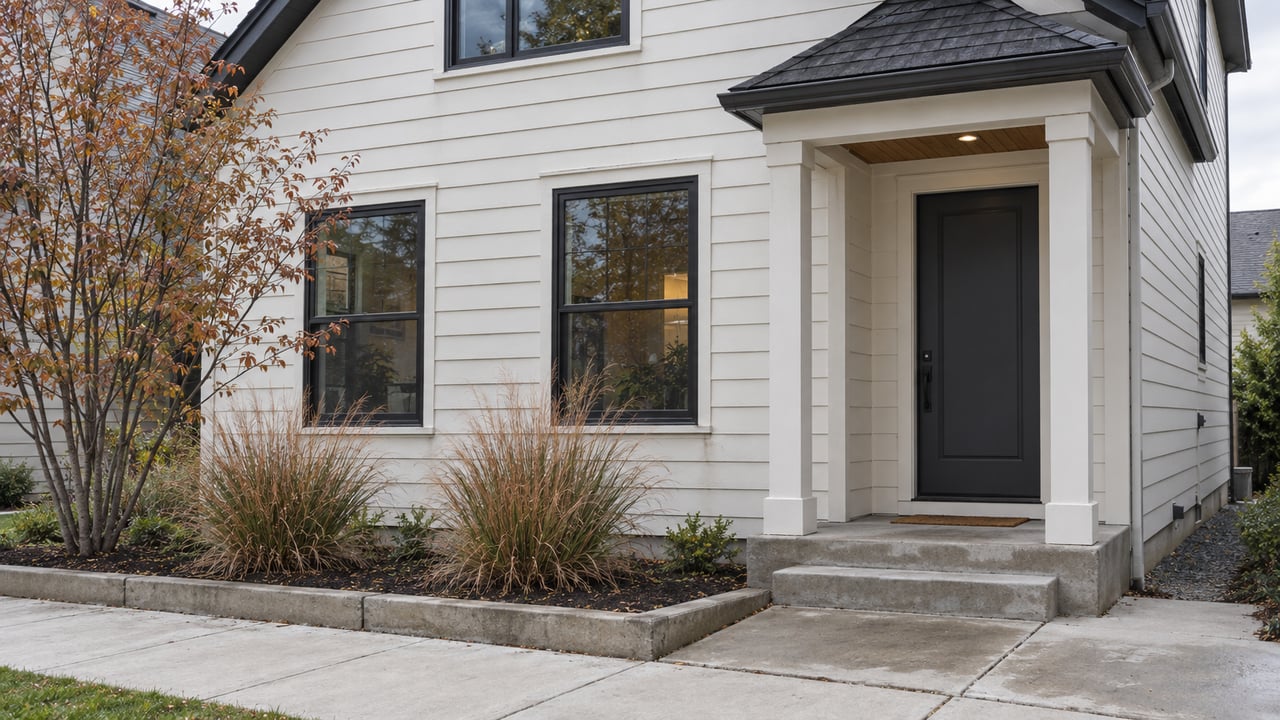
As for what you'll actually be touring, the housing stock is built for the northern climate. Split-foyer and bi-level homes dominate 1990–2010 neighborhoods like Charleswood and Eagle Run, offering big square footage and light-filled raised basements at a lower price per foot. Slab-on-grade townhomes are popular with downsizers and professionals who'd rather skip snow removal and lawn care. And on the southern edges — The Wilds especially — you'll find two-story new construction with open floor plans, large primary suites, and the prized attached three-stall garage.
Selling a Home in West Fargo
Sellers here have structural advantages, but local buyers have grown sharp about hidden monthly costs, so pricing has to be smart rather than simply optimistic.
If you own a 1990s or 2000s bi-level or split-foyer with specials mostly or fully paid off, you're holding premium inventory — price it confidently against recent neighborhood comps, because value-conscious buyers actively hunt these down to escape the taxes on new builds. If you're selling a newer build with heavy remaining specials, price with more care: buyers here evaluate the total monthly payment (mortgage + specials + regular property tax), so a high specials balance means your list price has to compensate.
Two staging priorities pay off disproportionately in this market. First, the garage — a clean, organized, ideally heated three-stall garage is a genuine selling feature in North Dakota, so clear the clutter and let buyers picture their trucks safe from winter. Second, the lower level — because split-levels and bi-levels have large basements, warm high-lumen lighting and open HVAC vents keep those spaces feeling like living areas rather than cold, dark afterthoughts.
On pace, plan for a fast turnaround. The median home moves in 28 to 39 days, and a properly priced, move-in-ready single-family home frequently goes pending in 14 to 21 days, with roughly 27% of properties drawing above-list offers.
West Fargo Home Buying Tips
The through-line of buying well here is looking past the sticker price to the true cost of ownership.
- Always request the specials disclosure. Never write an offer without a line-item breakdown of the special assessments — the current certified balance and remaining lifespan. A $350,000 home with $4,000 a year in specials genuinely costs more per month than a $370,000 home with specials fully paid off. This is the single most important number most buyers overlook.
- Map your high school zone before you fall in love. School boundaries drive long-term resale value here, and the Sheyenne High School versus West Fargo High School zones form distinct competitive micro-markets. Confirm the current district maps against the specific address, not the general neighborhood.
- Look for "pre-owned new construction." Homes built between roughly 2016 and 2021 give you a modern layout without building from scratch — and the previous owners have usually already absorbed the expensive post-build realities builders skip: lawn, fence, window blinds, painted garage.
- Budget for snow load and sump pumps. West Fargo sits on flat, open terrain prone to heavy drifting and spring melt. Check the grading and make sure the sump pump has a battery backup — a failure during spring thaw can flood a lower level fast.
How to Price Your Home in West Fargo
Because this market moves fast, a flawed price gets exposed within the first ten days. Good pricing here rests on a two-layered comp analysis.
First, match on infrastructure cost. If your home is in a newer neighborhood, you can only truly compare it to homes with similar remaining specials balances — a home carrying $30,000 in certified municipal debt cannot be priced like an identical home three miles away where the specials are paid off. Second, group your comps tightly by decade. A 1990s build with mature trees and paid-off infrastructure attracts a fundamentally different, value-driven buyer than a 2018+ build that commands a finish premium but carries higher monthly tax.
The psychology that wins is the total-monthly-payment mindset. Local buyers don't buy on list price; they buy on net monthly outlay. If your specials are low or zero, lean into it — you can price at the top of your comp range because buyers will recognize that their actual monthly check to the bank is lower. And mind the search brackets: pricing at $349,900 instead of $351,000 captures the wave of buyers filtering their apps at a $350,000 ceiling. With the median sitting at $353,000–$365,000, slipping just under those round numbers maximizes your opening-weekend traffic.
West Fargo Walkability & Commute
Be clear-eyed here: West Fargo is a car-dependent community. It's clean and well-structured, but it wasn't built for walking to errands.
Walk Scores across most residential zones land in the 20 to 35 range out of 100. Subdivisions have excellent internal sidewalks and safe cul-de-sacs for kids, but you generally can't walk to a grocery store or restaurant unless you live right off the historic Downtown Main Street corridor or certain pockets of Sheyenne Street. Biking is strong recreationally — paved multi-use trails wind through parks like Rendezvous and along the drainage coulees — but only moderate for commuting, given the wide, fast arterials and half a year of North Dakota wind and snow. Transit runs through MATBUS, the shared FM metro system, with fixed routes connecting to major shopping nodes and downtown Fargo; it's reliable and wheelchair-accessible but runs mainly Monday through Saturday, so most residents lean on personal vehicles.
The genuine payoff is the commute. Congestion is minimal and the average West Fargo commute is a short 15 to 18 minutes.
Employment Destination | Drive Time | Major Employers |
|---|
West Fargo Corporate Core | 5–10 min | Doosan Bobcat HQ, Titan Machinery, Wanzek Construction |
Fargo Medical/Commercial | 10–12 min | Sanford Medical Center (region's largest employer), Essentia Health |
Downtown Fargo / NDSU | 15–20 min | Tech sector, North Dakota State University, startups |
South Fargo Office Parks | 12–15 min | Microsoft Campus, Aldevron, Blue Cross Blue Shield |
West Fargo Schools
For family buyers, this is the section that matters most — and often the reason the whole search started. West Fargo is served by West Fargo Public Schools (WFPS), the second-largest and one of the fastest-growing districts in North Dakota, well regarded for modern facilities, high graduation rates, and strong STEM and extracurricular funding.
The district is anchored by two large high school zones that create distinct real estate micro-markets. Sheyenne High School, on the booming south side, pulls heavy demand into neighborhoods like The Wilds and Brooks Harbor. West Fargo High School, the historic north-side anchor, serves more established neighborhoods and carries a deeply loyal community base and strong athletic traditions.
At the primary level, rapid growth has produced a number of state-of-the-art schools. Legacy Elementary consistently ranks in the top 10% of North Dakota public elementaries; Westside Elementary is prized for its tight community and roughly 13:1 student-teacher ratios; and Independence and Freedom Elementary both serve the newer developments with modern facilities. Most students then feed into Liberty Middle School or Cheney Middle School, both known for deep music, theater, and sports options. Because these boundaries so directly shape resale value, verifying the exact zone for any address you're considering is time well spent.
Parks & Outdoor Space in West Fargo
Flat prairie doesn't sound scenic, but the West Fargo Park District makes the most of it — around 35 parks, playgrounds, and recreation centers designed to keep people active through hot summers and hard winters.
The standout is Rendezvous Park, with a disc golf course, ball fields, sand volleyball, a popular playground, paved walking loops, and a winter sledding hill. Rustad Recreation Center is the cold-weather lifesaver, with an indoor track, turf fields, and basketball courts that make it a weekend family hub. Veterans Memorial Pool covers summers with water slides, a zero-depth toddler area, and lap lanes. For trail lovers, a well-kept network of paved multi-use paths winds through the major parks and along the coulees and the Sheyenne River corridor — flat and smooth for running, biking, and dog walking.
Dining & Nightlife in West Fargo
The social scene here is community-focused rather than trendy — think family-friendly casual dining and local sports culture over late-night clubs. The biggest shift in recent years is the redevelopment of the Sheyenne Street corridor, particularly The Lights entertainment district, which now functions as a central plaza with outdoor concert space, a winter ice rink, and a cluster of modern pubs and patio bars. Traditional neighborhood sports bars and grilles remain the backbone, filling up early on weekends for football and high school games. The cuisine leans classic American comfort, solid steakhouses, pizza, and regional Mexican; for upscale dining, craft cocktail lounges, or trendy brunch, residents make the quick 10-to-15-minute drive into Downtown or South Fargo.
West Fargo HOA & Community Rules
Governance here depends almost entirely on when your neighborhood was built, and it's worth knowing which world you're buying into.
In newer southern master-planned communities — The Wilds, Brooks Harbor, Eagle Run — HOAs are standard. Fees generally run a modest $150 to $400 a year for single-family homes, though townhome communities with shared snow removal and lawn care can reach $100–$200+ per month. Architectural Control Committees tend to be strict, governing everything from the percentage of stone veneer on your facade to fence heights, shed designs, and front-door colors. A common surprise for newcomers is vehicle rules: many modern HOAs forbid parking boats, ice houses, campers, or commercial trailers in the driveway or street for more than a day or two.
In established pre-2005 pockets like Charleswood and Riverside, formal HOAs are rare or nonexistent. You gain flexibility on outbuildings, working on vehicles, and landscaping — but you're still bound by city ordinances covering grass height, snow removal within 24 hours of a storm, and winter plow-cycle parking. It's a genuine freedom-versus-upkeep tradeoff worth weighing.
Talk to a West Fargo Real Estate Expert
West Fargo rewards local knowledge more than most markets — the difference between a great buy and an expensive mistake often comes down to a specials balance nobody flagged or a school boundary that runs down the middle of a street. That's exactly where having the right team matters.
Up North Real Estate is a full-service team serving Fargo, West Fargo, Moorhead, Horace, Grand Forks, and the Lakes Region. Whether you're buying your first home in a Sheyenne zone, pricing a paid-off split-level to sell fast, or weighing an investment property against its specials, the team brings the strategic insight and hands-on guidance to make the transaction smooth — and clients consistently describe the experience as knowledgeable, responsive, and genuinely enjoyable. If you're ready to make a move in West Fargo, or just want a straight answer about what your home is worth, reach out to Up North Real Estate through upnorthrealtygroup.com to start the conversation with a local expert who knows this market from the inside.