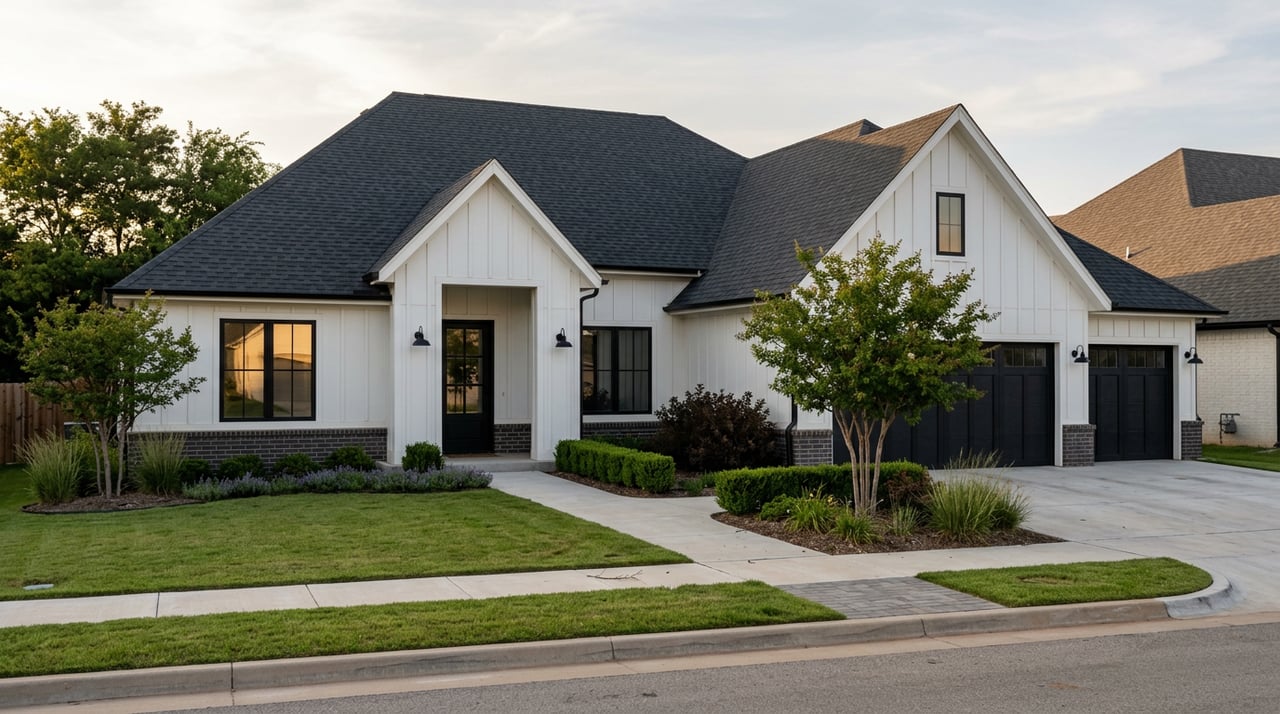
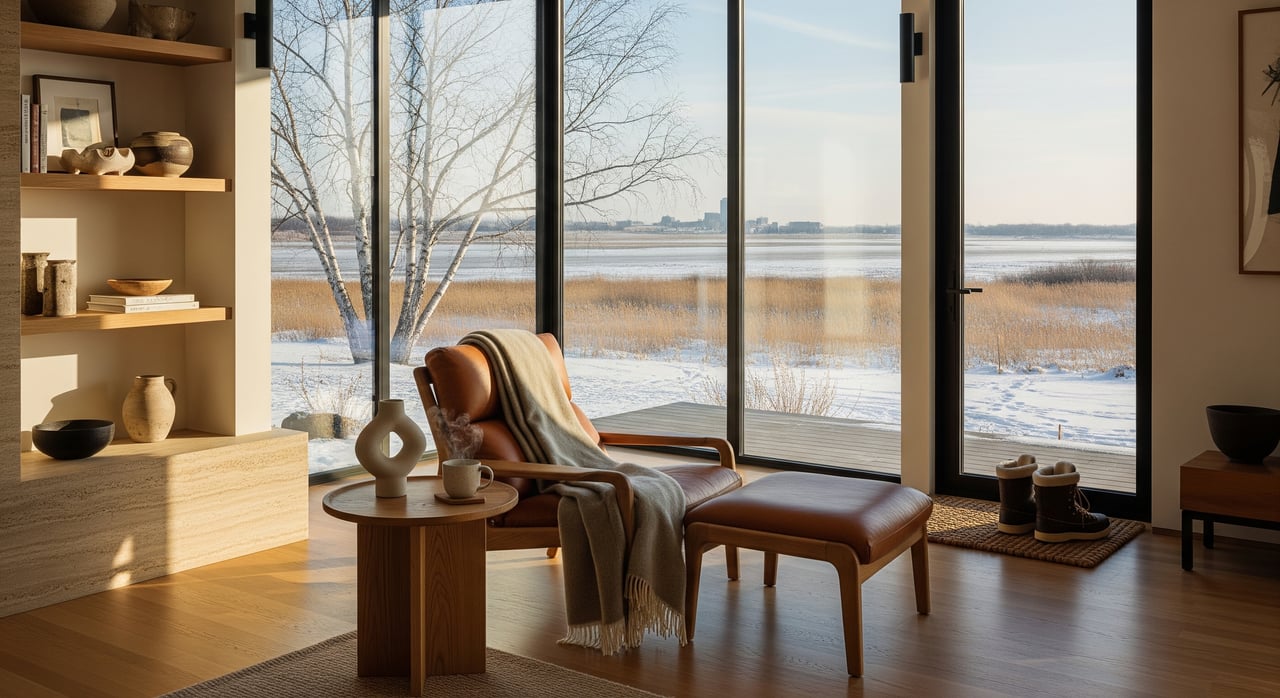
Welcome to Detroit Lakes, MN
Detroit Lakes is a Minnesota resort town that also happens to be a real, functioning community — and that combination is the whole reason it works as a place to own property. Sitting in Becker County with more than 400 lakes inside a 25-mile radius, it delivers genuine lakes-country living without the isolation that usually comes with it. Fargo-Moorhead is 45 minutes west. The Twin Cities are a manageable drive southeast.
The buyer mix here is unusually broad, and understanding which group you belong to matters more than in most markets. Retirees come for peaceful waterfront and a town with a hospital, groceries, and a walkable downtown. Young families come for community ties, Detroit Lakes Public Schools, and a childhood spent outside. Remote professionals and seasonal buyers — many from Fargo-Moorhead — come because they can have a lake house that's also a primary residence.
The inventory reflects that range: historic homes near downtown, mid-century seasonal cabins, inland residential neighborhoods, low-maintenance shoreline condos, and custom luxury estates on Detroit Lake, Lake Sallie, and Lake Melissa. These are effectively different markets sharing one zip code, and they behave differently. Knowing which one you're shopping is the first real decision.
The History of Detroit Lakes
Long before European settlement, Ojibwe and Dakota peoples lived across this region, relying on its waterways for fishing, hunting, and wild rice harvesting. That relationship to the water set the pattern everything since has followed.
The town was founded in 1871 by Colonel George Johnston, a land agent for the Northern Pacific Railway. It was named simply "Detroit" — from the French for strait, describing the narrow passage between Big Detroit and Little Detroit lakes. The railroad turned it into a regional shipping hub almost immediately, and just as quickly into an accessible escape for city dwellers who wanted fresh air and open water.
In 1926, residents voted to rename the town Detroit Lakes to end the postal confusion with Detroit, Michigan.
From the 1920s through mid-century, lakeside pavilions, dance halls, and cabin developments went up along the shorelines, cementing the town's identity as one of West-Central Minnesota's premier vacation destinations. That era is still physically present in the market — a meaningful share of today's inventory consists of those original cabins, and their condition, winterization status, and septic compliance are among the most consequential variables in any Detroit Lakes transaction.
Detroit Lakes Housing Market Overview
The Detroit Lakes market runs healthy and balanced-to-competitive, but the single most important thing to understand is that it operates in distinct tiers that don't move together.
Inland residential — downtown historic homes, established neighborhoods, and newer inland developments — trades on conventional fundamentals. Local buyers, local employment, local schools. Reasonable pace, reasonable competition, and pricing you can comp the normal way.
Waterfront is a separate animal entirely. Turnkey lakefront property draws competitive interest from local buyers and regional cash buyers out of Fargo-Moorhead and the Twin Cities simultaneously. Shoreline is a finite resource on the premier lakes, and that scarcity holds values up even when the broader market cools.
Seasonal cabins occupy the middle, and their value hinges almost entirely on usability. A winterized, year-round-capable cabin and an original-condition seasonal-only cabin of identical size are not comparable properties.
Layered over all of it is hard seasonality. This market breathes with the calendar. Activity concentrates from late spring through mid-summer, when out-of-town buyers are physically here, on the water, seeing what they'd be buying. Timing is not a minor consideration in Detroit Lakes — for waterfront especially, it can be the difference between a strong sale and a stale listing.
New Construction in Detroit Lakes
New construction in Detroit Lakes follows three distinct paths, and which one applies depends almost entirely on the land.
Teardown-and-rebuild on existing shoreline is the dominant form of new lakefront construction. Because premier shoreline is finite and much of it holds aging mid-century cabins, buyers routinely acquire an original-condition property for the lot and shoreline rights, then build a high-end year-round residence in its place. This is the most common way genuinely new lakefront housing enters the market — and the most complex, because you inherit shoreland regulations, Ordinary High Water Level setbacks, and DNR restrictions that constrain what you can actually build.
Inland subdivision and infill building covers conventional new single-family construction away from the water. This is the path for buyers who want a new home with modern mechanicals and an attached garage without paying the shoreline premium.
Winterization and full renovation functions as new construction in practice, even if it isn't technically. Converting a seasonal cabin into a year-round home — insulation, HVAC, plumbing depth, heated garage space, updated septic — is one of the most common building projects in the area and one of the highest-return.
What buyers should expect: build here is regulation-heavy near water and permitting timelines run longer than inland Fargo-Moorhead equivalents. Before you fall in love with a lot, confirm septic feasibility, well placement, OHWL setbacks, and flood plain designation. Those four items determine whether your plan is buildable at all.
Investment Properties in Detroit Lakes
Detroit Lakes is one of the more genuinely versatile investment markets in the region, because it supports multiple strategies rather than just one.
Short-term rental. The summer market is lucrative, and waterfront properties and cabins command strong nightly rates during peak season. The critical caveat: municipal short-term rental permitting and association rules are enforced strictly. Verify permit eligibility for a specific address before you underwrite an STR pro forma. This is where investors most often get burned here.
Long-term rental. Steadier and less glamorous, but real. Tenant demand comes from the local healthcare, hospitality, and seasonal workforces. Single-family homes and duplexes produce solid year-round cash flow, and unlike the STR side, the demand doesn't evaporate in October.
Appreciation. The case for lakefront is straightforward supply math. Shoreline on Big Detroit, Little Detroit, Lake Sallie, and Lake Melissa cannot be manufactured. That finite inventory has historically supported sustained long-term appreciation even through broader market slowdowns.
Fix-and-flip and repositioning. This is where Detroit Lakes stands apart from newer suburban markets, which have essentially no distressed inventory. Here, mid-century seasonal cabins, older homes near downtown, and vintage lake properties offer real repositioning upside. The three plays that work: modernize dated layouts, winterize seasonal cabins for year-round use, or take an aging structure down and build a high-end estate on the shoreline.
Buying a Home in Detroit Lakes
The purchase process here splits along the same waterfront/inland line as everything else.
Inland, non-waterfront homes trade under standard seasonal dynamics — normal competition, normal timelines, conventional due diligence. Turnkey lakefront is where things get competitive, because you're not just bidding against locals. Cash buyers from Fargo-Moorhead and the Twin Cities are in the same pool, often ready to move fast on a property they only get to see during a short summer window.
Waterfront due diligence is where this market demands genuine local expertise, and it's the part out-of-area buyers consistently underestimate:
- Septic and well inspections. Becker County enforces strict shoreland compliance, and certified septic evaluation is required before closing. A failed system can be a five-figure surprise.
- Shoreland and water rights. Confirm dock ownership rights, Ordinary High Water Level setbacks, and Minnesota DNR shoreline restrictions. What you're allowed to do with your shoreline is not always what the seller assumes.
- Flood and winterization review. FEMA flood plain verification, shoreline erosion assessment, and confirmation that heating, plumbing, and insulation systems actually support year-round occupancy.
On property types, expect anything from downtown historic single-family homes and inland developments to year-round lake houses, seasonal waterfront cabins, and modern low-maintenance shoreline condominiums.
One practical note for out-of-town buyers: build inspection contingencies with enough runway to get county-certified professionals scheduled. During peak summer, septic inspectors and shoreland specialists are booked out. A tight timeline written from a distance can put you in the position of waiving something you shouldn't.
Selling a Home in Detroit Lakes
Pace. Well-priced residential homes generally spend about 30 to 45 days on market. High-end waterfront estates carry longer timelines — smaller buyer pools and more extended negotiations are structural, not a sign of a problem.
The listing window is the strategy. Late spring through mid-summer — roughly May through July — is prime selling season, because that's when out-of-town buyers are physically in the area on vacation, looking at water. Miss that window with a waterfront property and you're marketing to a fraction of the demand.
What buyers evaluate. High-end finishes, open lake views, and updated mechanical systems consistently rank at the top. Outdoor living needs to be foregrounded, not treated as an afterthought: decks, dock access, fire pits, and — this matters more than sellers expect — storage for boats, lake toys, and winter gear. Buyers are mentally rehearsing a lifestyle. Show them where the equipment goes.
Staging should run neutral and bright, because a meaningful share of your buyers are non-local and need to picture the property working as either a seasonal retreat or a full-time residence. Don't over-specify it toward one use.
Handle compliance before you list. If you're selling waterfront or an older rural property, complete the Becker County septic compliance inspection preemptively and assemble documentation on shoreline rights, dock permits, and property boundaries in advance. Discovering a septic issue mid-contract during peak season, when inspectors are backed up, is how deals fall apart or get repriced.
How to Price Your Home in Detroit Lakes
Waterfront and inland are not comparable, full stop. A 2,000-square-foot inland home and a 2,000-square-foot waterfront home of the same vintage are different assets. Square footage is close to irrelevant across that line.
Lakefront pricing turns on a specific set of variables that have nothing to do with the house:
- Linear feet of shoreline — the primary driver
- Lake quality — clarity, elevation, and critically, sandy versus mucky bottom
- View orientation — sunrise versus sunset exposure carries real, measurable premium
- Which lake — Big Detroit, Little Detroit, Sallie, and Melissa each have their own pricing profile
Adjust for usability, not just condition. This is the most commonly missed adjustment in the market. Cabins upgraded with year-round insulation, heated garages, updated HVAC, and modern winterization command materially higher pricing than seasonal-only properties. Two cabins that look identical in photos can sit in entirely different price tiers based on whether you can live in one in January.
Pricing psychology is seasonal here in a way it isn't elsewhere. Priced at or slightly below market during the spring and summer peak, a Detroit Lakes property can generate multiple offers from out-of-town buyers racing to secure something before the season closes. Overpriced, it sits through the peak — and once autumn arrives, buyer activity drops off sharply, which typically forces steep reductions heading into winter. The cost of an aggressive list price in this market isn't a slow month. It's losing the entire selling season.
Detroit Lakes Relocation Guide
Community and climate. Detroit Lakes runs on two speeds: high-energy summer tourism and a genuinely peaceful winter pace. Newcomers should plan for real four-season weather — hot, active summers on the water, and below-zero winters with heavy snow that require proper gear, a winterized vehicle, and an actual snow removal plan. Both seasons have their devotees, and it's worth visiting in February before you commit.
Employment. Many buyers arrive with remote roles, but Detroit Lakes is a self-sustaining regional employment center, not a bedroom community. Major anchors include Essentia Health, St. Mary's Health, Detroit Lakes Public Schools, BTD Manufacturing, Snappy Materials, and a substantial hospitality and tourism sector.
Healthcare. Unusually strong for a town this size. Essentia Health St. Mary's Hospital and Clinic provides emergency care, specialty clinics, and outpatient services in town — a significant consideration for retirees, and one that separates Detroit Lakes from most lake communities of comparable population.
Schools. Detroit Lakes Public Schools (ISD 22) serves the area, with Holy Rosary Catholic School available as a private option.
Shopping and services. A revitalized downtown along Washington Avenue carries boutiques, coffee shops, and dining, while the Highway 10 corridor handles essential retail — Walmart, Menards, and major grocery. You are not driving to Fargo for basics.
Getting Around Detroit Lakes
Detroit Lakes is a driving town, but it has more connectivity options than most communities its size.
Highways. U.S. Highway 10 runs east-west and is the main artery — roughly 45 minutes west to Fargo-Moorhead, southeast toward St. Cloud and the Twin Cities. MN Highway 34 heads east toward Park Rapids; MN Highway 59 runs north-south, linking neighboring lake communities.
Transit and rail. Becker County Transit operates dial-a-ride, door-to-door bus service countywide for errands and appointments — a meaningful asset for residents who'd rather not drive. More notably, the historic Detroit Lakes Amtrak station sits on the Empire Builder route, with direct service west toward Fargo and Seattle and east toward Minneapolis and Chicago. Rail access at this scale is rare and worth knowing about if you have family in either metro.
Parking. Downtown offers ample street parking and public lots. Lakeside parking near City Beach and the public boat launches fills quickly on peak summer weekends. Residential areas have generous driveway and garage capacity.
Biking and trails. Better than you'd expect. A five-mile local segment of the Heartland State Trail runs through town and beneath Highway 10. Detroit Mountain Recreation Area offers lift-accessed downhill mountain biking, flow trails, and singletrack through summer and fall. Paved lake loops serve road cyclists and runners in warm months, and in winter much of the unpaved network converts to groomed cross-country ski and snowmobile corridors.
Detroit Lakes Schools
Detroit Lakes Public Schools (ISD 22) serves the area and earns strong regional marks for academic proficiency, teacher retention, and extracurricular and athletic participation.
Rossman Elementary and Roosevelt Elementary (PK–5) are well-regarded primary campuses with student-to-teacher ratios in the 12–13:1 range, with emphasis on early literacy and introductory STEM.
Detroit Lakes Middle School (6–8) pairs core academics with arts, music, and introductory vocational programming.
Detroit Lakes Senior High School (9–12) posts above-average state testing scores and offers a broad slate of AP and concurrent-enrollment college courses, alongside top-tier regional athletic facilities.
Alternatives include Holy Rosary Catholic School, a faith-based private option covering early childhood through elementary, and the Detroit Lakes Area Learning Center, which provides alternative learning environments and personalized graduation pathways.
One thing worth verifying if you're buying outside city limits: lake properties can fall into neighboring districts depending on the shoreline. Confirm the assigned district for a specific parcel rather than assuming ISD 22.
Parks & Outdoor Space in Detroit Lakes
Outdoor space here isn't an amenity you drive to — it's woven through daily life, and it's a substantial part of what you're buying.
Detroit Lakes City Beach is the centerpiece: a mile-long sandy beach along West Lake Drive on Little Detroit Lake, with public docks, boat launches, a fishing pier, and walkable park areas. Public beach access of that quality inside city limits is genuinely uncommon.
Sucker Creek Preserve is a 117-acre natural preserve within the city — wooded trails, trout stream access, and prairie boardwalks a few minutes from downtown.
Detroit Mountain Recreation Area, 3.5 miles from downtown, is the community's year-round recreation hub: downhill skiing, tubing, and cross-country skiing in winter; lift-accessed mountain biking in summer. This is the amenity that keeps winters livable for active families.
Beyond city limits sit more than 70,000 acres of protected public land, including Tamarac National Wildlife Refuge and access points to the North Country National Scenic Trail.
Dining & Nightlife in Detroit Lakes
The social scene here is defined by lakeside energy rather than density — afternoon deck culture that rolls into lively evenings, concentrated around a handful of signature waterfront venues, historic local institutions, and a growing craft-beverage footprint.
Lakeside dining anchors summer. Venues along West Lake Drive and the surrounding shoreline set the tone — Zorbaz on the Beach is the archetypal casual dock-and-dine spot, while Fireside and Spanky's Stone Hearth handle the steakhouse, seafood, and classic supper-club end of the spectrum.
Taprooms span old and new. Lakeside Tavern & Brewery has been a beachside fixture since 1891; Bucks Mill Brewing represents the newer downtown wave. Both function as neighborhood gathering spots more than destinations.
Nightlife is social and unpretentious, and heavily tied to season. Outdoor stages at waterfront bars, summer pop-ups, and year-round local pubs keep weekends busy for residents and visitors alike. What this means for a buyer: summer here is loud and social, winter is quiet and local. If you're buying near the waterfront entertainment corridor, understand you're buying both versions.
Detroit Lakes Property Taxes
Property taxes are one of the underrated arguments in favor of Detroit Lakes, particularly for buyers comparing against elsewhere in Minnesota.
Effective rate. Becker County's median effective property tax rate runs around 0.71% — notably below the Minnesota statewide median of roughly 1.13% and below national averages.
Waterfront valuation premiums. The rate is favorable, but the assessed value does the work. Inland residential properties carry moderate bills. Premier lakefront on Big Detroit, Little Detroit, Sallie, or Melissa is assessed accordingly — shoreline frontage and modernization both push market assessment upward, which means a higher absolute annual obligation even at a low rate. Model the dollar amount, not the percentage.
Homestead classification. If Detroit Lakes will be your primary residence, you can apply for Minnesota's Homestead Market Value Exclusion, which provides meaningful relief on low-to-mid-tier primary properties. This is a real fork in the road for buyers weighing a seasonal cabin against a full-time move: non-homesteaded secondary properties and investment rentals don't receive the same treatment, and the gap in annual carrying cost between an identical homesteaded and non-homesteaded property can be substantial. Factor it in before you decide how you'll use the home.
Frequently Asked Questions About Detroit Lakes
How far is Detroit Lakes from Fargo? About 45 minutes west via U.S. Highway 10. That drive is the reason Detroit Lakes functions as both a weekend market and a viable full-time residence for Fargo-Moorhead professionals — it's commutable if you need it to be, and effortless for a Friday-evening trip.
Is Detroit Lakes a good place to live year-round, or mainly a summer town? Both, genuinely. It's a self-sustaining regional employment center with a hospital, a full K–12 district, and real retail — not a town that closes in September. That said, the character shifts hard between seasons. Summer is busy and social; winter is quiet, with Detroit Mountain and the groomed trail network carrying the recreation load. Visit in winter before committing.
How many lakes are actually in the area? Over 400 within a 25-mile radius. The ones that drive the real estate market are Big Detroit, Little Detroit, Lake Sallie, and Lake Melissa.
What should I know before buying lakefront property? Four things, in order: certified septic evaluation (Becker County enforces shoreland compliance strictly and it's required before closing), dock ownership rights and Ordinary High Water Level setbacks, Minnesota DNR shoreline restrictions on what you can build or alter, and FEMA flood plain designation. Get all four confirmed in writing. These are also the items most likely to surprise an out-of-state buyer.
What's the difference between a seasonal cabin and a year-round home here? Functionally and financially, a large one. Winterization — insulation depth, HVAC, plumbing, heated garage space, updated septic — determines whether a property is usable in January, and that usability sits at the center of its value. Two cabins that photograph identically can occupy different price tiers entirely based on this. If a listing is vague about year-round capability, treat that as a question to answer before making an offer.
Are property taxes high in Detroit Lakes? The rate is favorable — Becker County's median effective rate is around 0.71%, well under Minnesota's statewide median of roughly 1.13%. What varies is assessed value. Premier lakefront carries high assessments, so the dollar bill on a shoreline estate can be significant even at a low rate. Primary residents should also look at Minnesota's Homestead Market Value Exclusion, which doesn't apply to seasonal or investment properties.
Can I run a short-term rental in Detroit Lakes? Sometimes, and address-by-address. Peak-summer nightly rates on waterfront are strong, but municipal short-term rental permitting and homeowners association rules are enforced strictly. Confirm permit eligibility for the specific property before you underwrite anything on STR income. Investors who skip this step are the ones who end up with a mortgage and no rental program.
Is Detroit Lakes a good investment market? It's one of the more flexible ones regionally, which is unusual. Lakefront supports long-term appreciation on finite shoreline. Long-term rentals draw steady demand from healthcare, hospitality, and seasonal workforces. And unlike newer suburban markets with no dated inventory, Detroit Lakes has genuine repositioning opportunity in mid-century cabins and older homes near downtown — modernize the layout, winterize for year-round use, or take an aging structure down and rebuild on the shoreline.
When is the best time to buy or sell here? Sellers should target late spring through mid-summer, roughly May through July, when out-of-town buyers are physically in the area and on the water. Buyers who can move in the shoulder seasons — fall especially — often face far less competition, though inventory thins and you'll be evaluating a lake property when it isn't showing at its best.
What are the schools like? Detroit Lakes Public Schools (ISD 22) earns strong regional marks. Rossman and Roosevelt Elementary run 12–13:1 student-to-teacher ratios; the high school posts above-average state testing scores with a broad AP and concurrent-enrollment slate. Holy Rosary Catholic School offers a private option, and the Area Learning Center provides alternative pathways. Verify the assigned district for any parcel outside city limits.
Do I need a car in Detroit Lakes? For daily life, yes. But there's more than you'd expect: Becker County Transit runs dial-a-ride service countywide, and the Detroit Lakes Amtrak station sits on the Empire Builder line with direct service toward Fargo and Seattle one way, Minneapolis and Chicago the other.
Where do people actually spend their time? City Beach — a mile of sand with docks, launches, and a fishing pier on Little Detroit Lake. Sucker Creek Preserve for trails inside city limits. Detroit Mountain for skiing and tubing in winter, lift-accessed mountain biking in summer. Washington Avenue downtown for shops and dining. And in warm months, the waterfront patios along West Lake Drive.
Talk to a Detroit Lakes Real Estate Expert
Detroit Lakes is a market where the wrong assumption is expensive. Shoreline rights, septic compliance, DNR setbacks, winterization status, homestead classification, short-term rental eligibility — none of these show up on a listing sheet, and every one of them can change what a property is worth to you or whether it works for your plans at all.
Up North Realty Group works throughout Detroit Lakes and the greater Lakes Region, along with Fargo, West Fargo, Moorhead, Horace, and Grand Forks. If you're buying, we'll help you separate the waterfront question from the house question, pull the county records that matter before you're under contract, and be honest about whether a cabin can realistically become a year-round home. If you're selling, we'll build a strategy around the season you're actually listing into and get compliance documentation handled before it becomes a negotiating chip against you.
We also know this market from both directions — a lot of our clients are Fargo-Moorhead buyers making the 45-minute move, and we understand what that transition involves. Whether you're shopping lakefront, considering an investment property, relocating from out of state, or just curious where your current place stands, we're glad to be a resource. Reach out through the contact form, request a home valuation for a read on your property in today's market, or browse current listings to see what's available.